REVIEW · BLUE MOUNTAINS
Small-Group Full-Day Rock Climbing Adventure from Katoomba
Book on Viator →Operated by Australian School Of Mountaineering · Bookable on Viator
Climbing outdoors in the Blue Mountains is a real step up from the gym. This small-group full-day adventure from Katoomba mixes hands-on teaching with actual time on the rock, plus an outdoor picnic lunch to keep the day from feeling like a nonstop workout. Even if you’ve never tied into a rope before, the setup is built for beginners—gear, checks, and technique come first.
What I like most is how safety skills are taught in plain language before you crank up the challenge. I also like that you’ll get a lot of climbing time (not just watching), with training that covers belaying, footholds/handholds, and even abseiling. One thing to consider: there’s no hotel pickup, so you need to get yourself to the start point by 8:45am—and the day still requires moderate physical fitness.
In This Review
- Key Highlights You’ll Feel in Day One
- Blue Mountains Cliffs With Coaching That Actually Starts Before You Climb
- Price and What You’re Really Buying at $179.31
- Meeting Point Reality in Katoomba (and the No-Pickup Issue)
- The Day Starts at Australian School of Mountaineering
- Safety on the Rock: Belaying and Rope Checks That Build Trust
- How Footholds, Handholds, and Movement Technique Actually Work
- Climbing Time: From Easy Routes to Challenging Pulls
- Guides You Might Be Lucky Enough to Meet
- Picnic Lunch: A Real Break (Not Just a Subway Sandwich Between Ropes)
- Who Should Book This Rock Climbing Day?
- What to Bring (So You Don’t Lose Time Trying to Improvise)
- Weather, Safety, and Staying Flexible
- Should You Book This Blue Mountains Climbing Adventure?
- FAQ
- What’s the duration of the Small-Group Full-Day Rock Climbing Adventure from Katoomba?
- Where does the tour start and end?
- What time does the activity start?
- Is prior climbing experience required?
- What minimum age is required?
- Is hotel pickup included?
- What’s included in the price?
- Are drinks included?
- How big are the groups?
- What fitness level do you need?
- What happens if weather is bad?
Key Highlights You’ll Feel in Day One
- Small group (max 15) means you get attention without feeling like a number.
- All technical equipment supplied, so you’re not hunting for harnesses and ropes.
- Intro coaching for true beginners, including belay technique and safety rules on real rock.
- Abseiling instruction built into the day, even if that’s new to you.
- National Park fees and lunch included, so the core costs stay predictable.
- Routes vary from easy to challenging, so you can choose your comfort level and still progress.
Blue Mountains Cliffs With Coaching That Actually Starts Before You Climb
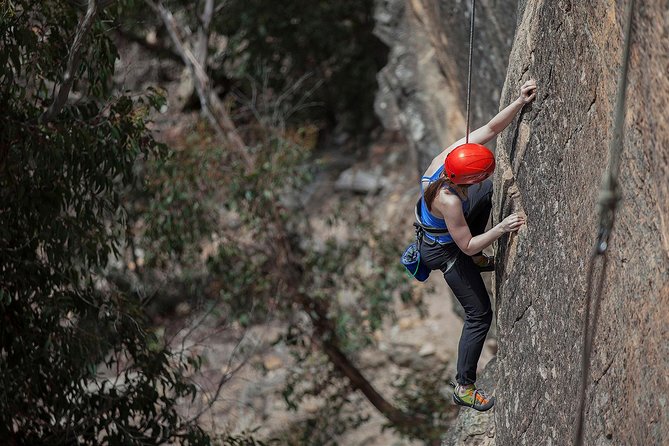
This is the kind of climbing day that’s designed to reduce the two biggest beginner worries: not knowing what to do, and not knowing whether you’re doing it right. The whole rhythm is teaching first, then practice, so you’re not dumped onto the rock with just a harness and hope.
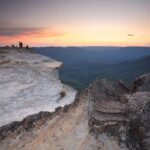
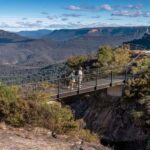
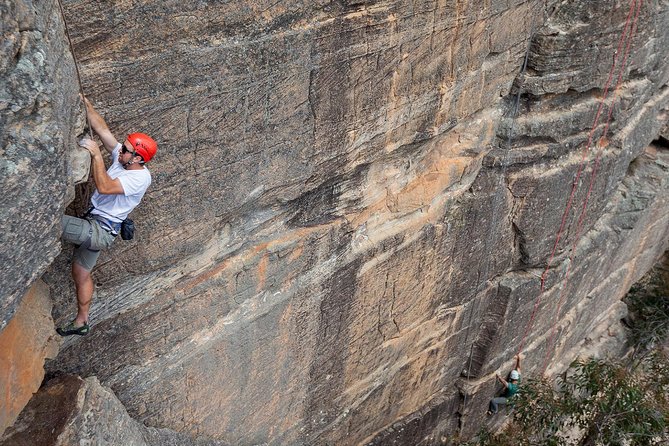
You’ll be operating in the Blue Mountains area around Katoomba, where the rock offers plenty of features to learn from—edges to trust, handholds to test, and angles that teach you how to move instead of just yank. And because it’s a full day (about 8 hours), you get time to build confidence rather than leaving after a single test climb.
The small-group size matters here. With a maximum of 15 travelers, guides can spot issues in rope handling, stance, and technique while you’re still early enough to correct them.
You can also read our reviews of more tours and experiences in Blue Mountains
Price and What You’re Really Buying at $179.31
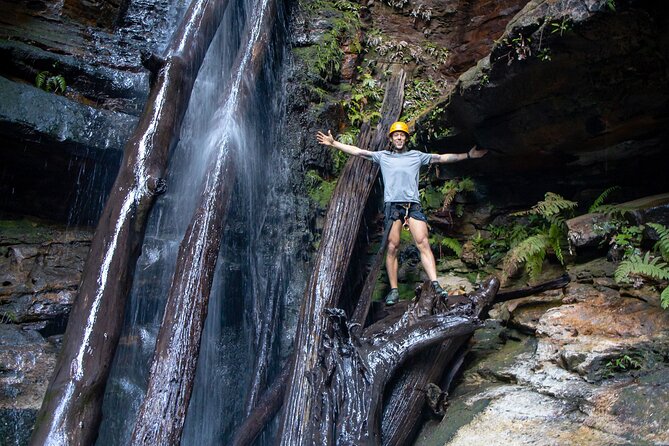
At $179.31 per person, you’re paying for a guided day that includes more than “take you climbing.” You’re getting professional instruction, equipment, lunch, and the National Park fees—those add up quickly if you were piecing things together yourself.
Also, because this is a Rock 1 style introduction, it’s not only about reaching the top. The value is in the training: how to use the gear correctly, how to manage a belay, how to read footholds and handholds, and how abseiling works in a controlled, coached way. That’s the stuff you’ll actually keep using if you continue climbing beyond this day.
One practical note: drinks aren’t included unless specified. So if you know you’ll want water or something extra with lunch, plan for it.
Meeting Point Reality in Katoomba (and the No-Pickup Issue)
The day starts at 8:45am at 166 Katoomba St, Katoomba NSW 2780. The activity ends back at the same meeting point. There’s no hotel pickup or drop-off, so your plan should include an easy way to get there—walk, taxi, or public transport.
If you’re staying outside the center of Katoomba, don’t leave this to the last minute. Arriving early helps because you’ll likely want a few minutes to get sorted with your gear and meet your guide.
The good news: the meeting point is near public transportation. So even if you’re not in a hotel directly on that street, you can usually connect without turning your day into a logistics puzzle.
The Day Starts at Australian School of Mountaineering
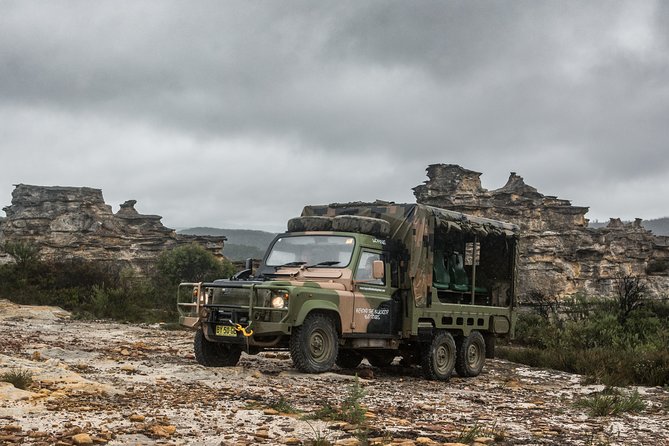
Your first stop is the Australian School of Mountaineering, which is where the day gets structured. Think of this as the “get your system set” portion of the day: what you need to wear, how you’ll use the equipment, and what safety looks like on this kind of rock.
This matters because rock climbing isn’t just physical. It’s procedural. A harness isn’t a magic costume. Belaying isn’t a vibe. So the best days give you clear rules, repeated checks, and the chance to practice the movements while everything is still fresh.
Safety on the Rock: Belaying and Rope Checks That Build Trust
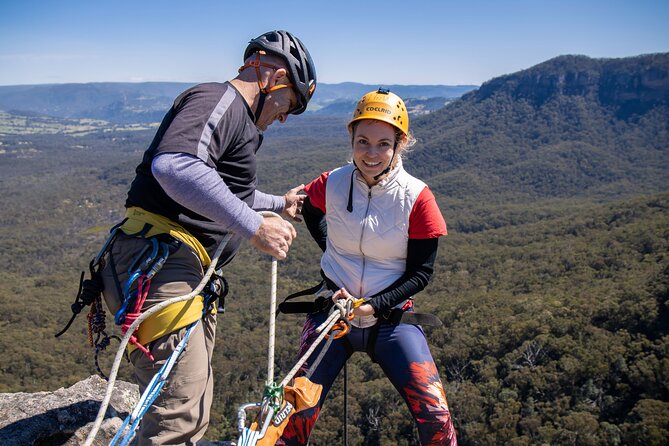
Before you climb much, you’ll work through safety on the rock and how to use climbing equipment properly. That includes learning the mechanics behind proper belay technique and how to handle the essentials without improvising.
If you’re brand new, the biggest win is getting a system you can repeat. You’ll learn how to position yourself, how to manage rope, and what you should double-check before moving. When you understand the steps, the fear doesn’t disappear—but it stops being random. It becomes manageable.
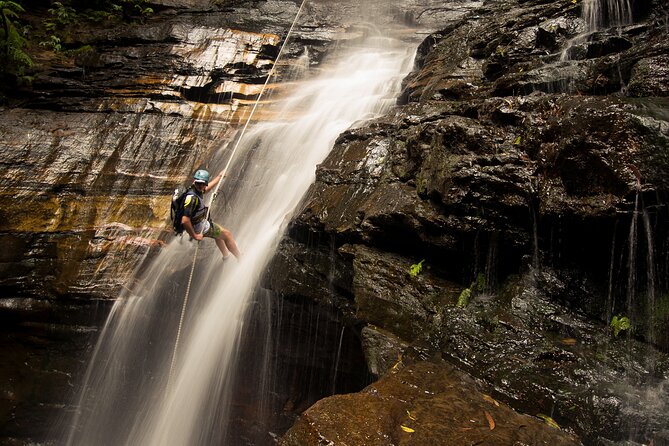
You’ll also get instruction on abseiling, including what you need to know if you’ve never done it before. Even if you never plan to make abseiling your go-to skill, knowing how it works is valuable. It changes how you think about descent and control, which makes the whole day feel safer.

How Footholds, Handholds, and Movement Technique Actually Work
A lot of beginners think climbing is mostly strength. On real rock, strength helps, but technique is what makes holds usable.
You’ll learn about using footholds and handholds—which is basically learning how to place your body where the rock gives you something to trust. Guides typically focus on things like:
- finding stable foot positions before committing your weight
- using the correct hold types (and not “clawing” too early)
- shifting your balance as the route changes
Because the climbing includes easy to challenging sections, you can practice technique on sections that won’t punish you for being cautious. That’s where beginners often make the fastest progress—when you can try, fail safely, and learn quickly without exhausting yourself.
Climbing Time: From Easy Routes to Challenging Pulls
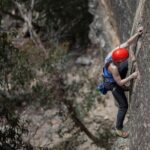
You should expect a mix of climbing styles, not just one type of route. The day is set up to let you try different approaches like faces and cracks, with ample opportunity to experience varied climbing positions.
If you’ve done some gym climbing, this day still helps because rock behaves differently. The holds can feel more natural and less uniform. Your feet matter more. And cracks can teach you body positioning you may not get in the gym.
If you’re totally new, you’ll likely feel your confidence grow as you notice patterns: where your feet work, how your hips move, and what the guide means when they talk about control and calm. The best part is that you’re not stuck doing only one “safe” move. You get climbing that’s appropriately challenging for your level, with coaching guiding the next step.
Guides You Might Be Lucky Enough to Meet
This experience runs with professional guides from the Australian School of Mountaineering. Depending on your date, you may be led by instructors such as Pedro, Liam, Scott, Justine, or Sammy. What matters most isn’t the name—it’s the approach these guides consistently bring: clear instruction, attention to safety, and encouragement that keeps you trying.
If you want a day where someone talks you through the why, not just the what, this is the right style of operation.
Picnic Lunch: A Real Break (Not Just a Subway Sandwich Between Ropes)
Between climbing sessions, you’ll take a break for picnic lunch among the Blue Mountains surroundings. This is more than a casual pause. It’s time to reset your body—hands, legs, and grip muscles get worked—and it’s also a mental reset.
Sitting down outdoors after you’ve climbed helps you pay attention to what you learned. It’s easier to remember the guide’s cues when your brain isn’t overloaded.
Practical note: drinks aren’t included unless specified, so plan for water.
Who Should Book This Rock Climbing Day?
This adventure is open to all skill levels, including people with no experience. Minimum age is 14, and children must be accompanied by an adult.
You’ll want moderate physical fitness. That doesn’t mean you need to be an athlete. It does mean you should be comfortable with physical activity for most of the day: climbing, moving on uneven rock, and handling the small stressors that come with rope work.
This is a great fit if:
- you want to learn real climbing basics without signing up for a multi-day course right away
- you’re curious about belaying and abseiling and want supervised instruction
- you prefer small-group attention over crowd-driven activities
- you want to spend real hours on rock rather than “mostly briefing”
You might skip this day if you have concerns about moderate physical demands or if you can’t reliably meet the start time at 166 Katoomba St.
What to Bring (So You Don’t Lose Time Trying to Improvise)
The tour includes all technical equipment, so you don’t need to bring harness gear or climbing shoes. But you should still think like a day hiker and a nervous beginner:
- Wear clothing that you can move in and that won’t hate getting a little dusty
- Bring a personal water plan, since drinks aren’t included unless specified
- Expect weather to matter; the experience requires good weather
If weather becomes an issue, the operator may reschedule or offer a full refund, but the key is that the day is designed around safe rock conditions.
Weather, Safety, and Staying Flexible
Rock climbing is weather-dependent. If conditions are poor, the activity may be canceled and you’ll be offered another date or a full refund. This is one of those times when flexibility is part of the price.
If you’re on a tight itinerary, this is still doable, but don’t schedule this day as your only option. Give yourself some buffer time in Katoomba.
Should You Book This Blue Mountains Climbing Adventure?
If you want an intro to rock climbing that feels structured—safety instruction + real climbing + abseiling practice—this is an excellent choice. The full-day format helps you learn without feeling rushed, and the small-group cap of 15 keeps the experience personal.
One last practical check: can you get to 166 Katoomba St by 8:45am without a pickup? If yes, you’re in good shape. If not, you may spend more energy on transit than on climbing.
For most people—first-timers, gym climbers, and even older adults who want to test their limits—this day hits the right balance of teaching and doing.
FAQ
What’s the duration of the Small-Group Full-Day Rock Climbing Adventure from Katoomba?
It runs for about 8 hours.
Where does the tour start and end?
It starts at 166 Katoomba St, Katoomba NSW 2780, Australia, and ends back at the same meeting point.
What time does the activity start?
The start time is 8:45am.
Is prior climbing experience required?
No. The experience is open to all skill levels, and it’s designed for beginners.
What minimum age is required?
The minimum age is 14 years, and children must be accompanied by an adult.
Is hotel pickup included?
No. Hotel pickup and drop-off are not included.
What’s included in the price?
National Park fees, a professional guide, all technical equipment, lunch, and GST are included.
Are drinks included?
Drinks are not included unless specified.
How big are the groups?
The tour has a maximum of 15 travelers.
What fitness level do you need?
The experience requires a moderate physical fitness level.
What happens if weather is bad?
The activity requires good weather. If it’s canceled due to poor weather, you’ll be offered a different date or a full refund.
If you want, tell me your age range and whether you’ve climbed in a gym before, and I’ll help you gauge whether this day’s pace will feel right.