REVIEW · BLUE MOUNTAINS
Small-Group Weekend Rock Climbing Adventure from Katoomba
Book on Viator →Operated by Australian School Of Mountaineering · Bookable on Viator
One weekend. Big confidence jump on real Blue Mountains rock.
This 2-day course from Katoomba turns a first taste of rock climbing into practical safety skills and hands-on rope work, then keeps you climbing so it actually sticks.
I especially like how the training starts with the basics you need outdoors: knots, belay anchors, proper belaying, and abseiling fundamentals. You’re not just watching a demo and hoping for the best. There’s a clear progression from safety awareness to graduated climbs on rock.
One thing to consider: it’s outdoors and weather-dependent, and you’ll need moderate physical fitness for active movement on rock.
In This Review
- Key highlights to know before you go
- Why this Katoomba intro course works for first-timers
- Day 1 in the Blue Mountains: safety awareness, knots, belays, and abseiling
- What you practice on Day 1
- How the climbing happens (graduated, not random)
- Lunch break: a real reset
- What the guides do that makes the difference
- Day 2: the simple joys of climbing (and why you’ll remember it)
- What “competently climb with experienced leaders” means in practice
- Expect varied climbs, not one long grind
- Price and value: what $394.48 covers (and what it doesn’t)
- What’s included
- What’s not included
- Timing and logistics that affect your day
- Gear and fitness: show up ready to move
- Who should book this weekend climbing adventure
- Should you book this Katoomba rock climbing weekend?
- FAQ
- Where does the course start and what time?
- What is included in the course price?
- What is not included?
- What level of fitness do I need?
- What age is the minimum?
- What happens if the weather is bad?
Key highlights to know before you go
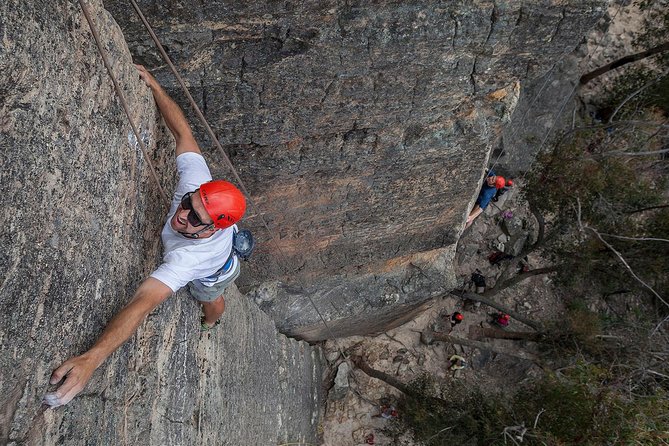
- Small group size (max 15): you get more coaching time instead of being shuffled around.
- Day 1 is skill-heavy: safety, rope handling, belays, knots, and abseiling basics.
- Day 2 is climb-heavy: you focus on doing lots of varied climbs to build comfort.
- All equipment is included: ropes, helmets, harnesses, technical hardware, and climbing shoes.
- Instructors adjust to your level: routes are selected to your grade, so you keep momentum.
- Lunch is covered both days: plus you’ll picnic among the bush.
Why this Katoomba intro course works for first-timers
If you’ve only climbed indoors, outdoor climbing can feel like two different sports. The holds are different, the exposure is real, and mistakes have consequences. That’s exactly why this course is built around getting you safe first, then getting you climbing fast.
I like the way the training blends technical rope skills with immediate time on rock. You start the day with safety awareness and belaying practice, then you go straight to the rock so you can connect the why with the how. It’s a learning style that makes sense on real cliffs: you can’t separate safety from movement.
The second big reason it works is the pacing. Day 1 teaches fundamentals like art-of-safe-movement, efficient use of holds, and correct rope handling. Day 2 shifts toward the simple joy of climbing with lots of varied routes. The result is that you don’t just learn procedures—you learn what they feel like while you’re actually climbing.
You can also read our reviews of more tours and experiences in Blue Mountains.

Day 1 in the Blue Mountains: safety awareness, knots, belays, and abseiling
You meet at 166 Katoomba St and start the day at 8:45am. From there, you head by vehicle to the climbing area where the first phase is all about control. The goal is simple: help you handle the safety system confidently so you can focus on climbing.
What you practice on Day 1
Day 1 includes a full set of starter skills for outdoor rock climbing and ropework:
- safe movement on rock (how to move without panicking)
- using climbing equipment the right way
- efficient use of holds, including how to think about footholds and handholds
- rope handling and the mechanics of managing the line
- tying knots
- belay anchors and setting them up correctly
- correct belay technique (so your partner stays safe)
- abseiling fundamentals and technique
And you’ll also learn how to select and use modern abseiling and rock climbing equipment. That matters because gear is not just gear. When you understand what each part does, you’re less likely to skip steps or rely on guesswork.
How the climbing happens (graduated, not random)
Throughout the day, instructors accompany you on a special selection of graduated climbs. That phrasing matters. You’re not thrown straight onto the hardest thing you can see. You get climbs matched to the learning stage—so the first day feels like progress, not survival.
Lunch break: a real reset
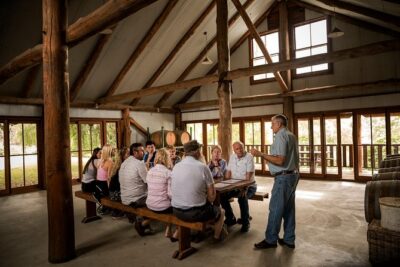
Your day includes lunch each day, with time to picnic amid the beautiful bush. This is one of those small details that helps: it gives your brain a break, and it keeps the day from turning into nonstop instruction fatigue.


What the guides do that makes the difference
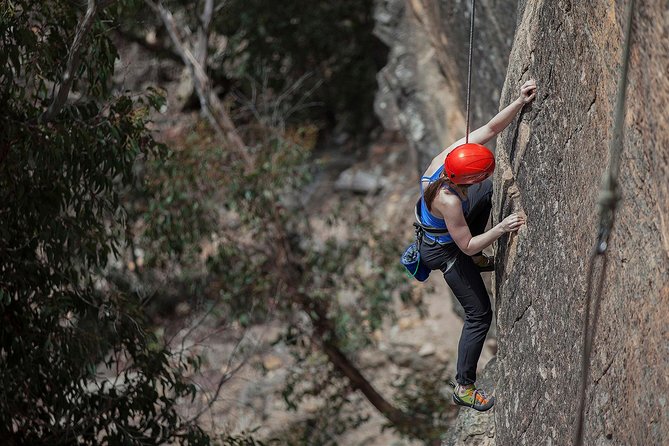
The biggest theme in the feedback is safety with a human touch. Names show up again and again—Liam, Pedro, Scott, Zuza, and Lewis—and each of them is described with the same idea: they adjust to the group and keep people moving.
Here’s what you should look for in an instructor-led course, and what this one seems to deliver based on past experiences:
- Route selection based on grade: you’re shown options that fit your comfort level, not just a one-size route.
- Patience in the learning moments: tying knots, getting belay technique right, and learning abseiling often takes repeats.
- Confidence-building encouragement: instructors push you toward competence without making it scary for beginners.
- Independence for young climbers: at least one group experience highlighted a 13-year-old managing climbing aspects more independently, which signals that the teaching approach isn’t over-controlling.
If you’re coming from an indoor gym, this is the transition that counts. The difference between a fun first outdoor day and a stressful one usually comes down to how the guide handles nerves and mistakes. This course is set up for that exact reality.
Day 2: the simple joys of climbing (and why you’ll remember it)

Day 2 is devoted solely to climbing. No heavy new theory session. Instead, your instructor aims to get you on as many varied climbs as possible, based on what you’re ready for.
That structure is smart for beginners because repetition turns technique into instinct. You’ll practice movement, learn how holds and footholds work on real rock, and keep building that feeling of staying in control.
What “competently climb with experienced leaders” means in practice
By the end of the weekend, the course states you’ll be able to climb competently with experienced leaders on short moderately graded rock climbs. That’s not just a marketing line. It tells you the target outcome: enough safety understanding to participate in guided climbing, not enough to pretend you’re ready to lead independently.
So if your goal is to graduate from indoor climbing to outdoor climbing with confidence (not control over a whole system), this weekend is aimed right at you.
Expect varied climbs, not one long grind
You’ll get multiple climbs and different types of routes. This matters because rock skills transfer better when you experience a range of angles, hold patterns, and problem styles—even on “moderately graded” terrain.
And yes, the best part is the part you can feel: when you stop thinking about every step and start thinking about climbing.
Price and value: what $394.48 covers (and what it doesn’t)
At $394.48 per person, this course isn’t cheap. But it’s also not priced like a basic “sit and watch” experience. The value comes from what’s included.
What’s included
The fee covers:
- national park fees
- a professional guide
- all technical equipment (including ropes, helmets, harnesses, technical hardware, and climbing shoes)
- lunch each day
- GST
That’s a big deal. Outdoor climbing equipment can be expensive, and buying or renting the right mix adds up fast. Here, you show up and climb.
What’s not included
You’ll need to plan for:
- accommodation (you handle where you sleep)
- hotel pickup and drop-off (you get to the meeting point)
- drinks unless specified
So the real cost equation is not just the $394.48. It’s also your meals beyond lunch and getting yourself to Katoomba for the 8:45am start.
If you already know you want to do at least one outdoor day this trip, this pricing structure often makes sense. You get instruction, gear, access, and two full days of climbing progression under a certified coaching team.
Timing and logistics that affect your day

This weekend course starts at 8:45am from Paddy Pallin Adventure Center in Katoomba (166 Katoomba St) and ends back at the meeting point. Duration is listed as 2 days (approx.).
Why this matters: climbing days often run on weather and timing. You should expect a full day of instruction and climbing on Day 1, and a similarly full climbing day on Day 2. If you’re scheduling other plans in Katoomba, give yourself some breathing room.
Also, it’s max 15 travelers, which helps keep the group manageable. Smaller groups make it easier for instructors to correct technique without turning the day into a line-up.
Gear and fitness: show up ready to move
The course notes a moderate physical fitness level. That’s not code for athlete mode, but it does mean you’ll be moving, handling ropes, and climbing with periods of exertion.
Equipment is supplied, which reduces the stress of outfitting yourself. You’ll get climbing shoes, helmets, harnesses, ropes, and the technical hardware you need. That means your main job is to come prepared to climb safely and follow instructions.
If you have special dietary needs, you’re asked to inform the booking form so lunch can be handled appropriately. That’s worth doing early, especially if you’re gluten-free, vegetarian, or need other accommodations.
For your personal packing, I’d keep it simple:
- bring a change of clothes for after climbing
- plan for sun and weather shifts typical of outdoors in the Blue Mountains
- bring what you need for comfort while waiting on climbs
Who should book this weekend climbing adventure
This course is designed for people with little or no outdoor climbing experience. It also works well for gym climbers who want a clean transition from indoor systems to real-world outdoor safety.
It’s a strong fit if:
- you want a structured intro that covers safety and technique, not just a single taster session
- you’re curious about abseiling and want proper fundamentals
- you like guided learning with repetition across two days
- you value a small-group format with room for coaching
Minimum age is 14, with children required to be accompanied by an adult. The training approach also seems to support young climbers learning independence during climbing, not just hovering while an adult does the work.
Should you book this Katoomba rock climbing weekend?
If you want a beginner-friendly path onto real Blue Mountains rock—where safety skills are taught first and then you get real climbing practice—this is a good bet. The included gear, national park fees, and two full days of coached climbs make the value feel straightforward, especially compared with piecing together rentals plus lessons plus access.
Book it if your priority is competence and confidence: knots, belays, abseiling fundamentals, and then lots of varied climbing on Day 2. Skip it if you’re hoping for a casual stroll or a mostly observational experience, because this is active, technical, and outdoors.
And if weather is on the fence during your dates, plan to be flexible. Outdoor climbing lives and dies by conditions.
FAQ
Where does the course start and what time?
You start at 166 Katoomba St, Katoomba NSW 2780, at 8:45am. The activity ends back at the same meeting point.
What is included in the course price?
The fee includes national park fees, a professional guide, all technical equipment (including ropes, helmets, harnesses, technical hardware, and climbing shoes), and lunch each day. GST is also included.
What is not included?
Accommodation is not included, and there’s no hotel pickup or drop-off. Drinks are not included unless specified.
What level of fitness do I need?
The course requires moderate physical fitness. It’s designed for participants with little or no previous outdoor climbing experience, but you should expect active movement and practice.
What age is the minimum?
The minimum age is 14 years. Children must be accompanied by an adult.
What happens if the weather is bad?
The experience requires good weather. If it’s canceled due to poor weather, you’ll be offered a different date or a full refund.