REVIEW · SYDNEY
Sydney Convicts, History & The Rocks 2.5-Hour Walking Tour
Book on GetYourGuide →Operated by Journey Walks · Bookable on GetYourGuide
Convicts and cobblestones start before you even turn. This Sydney Convicts + The Rocks walking tour turns the harbour-adjacent streets into a moving timeline, from early arrivals to the people who shaped the colony’s economy and street life. I especially like how the walk links public spaces—like Circular Quay—to stories that explain why this part of Sydney looked the way it did.
I also love the building access and the small “how did this work?” moments, including time inside heritage sites such as Argyle Stores and Customs House. One consideration: stairs are unavoidable in parts of The Rocks, so it’s not a good fit if walking is difficult.
In This Review
- Key Things I’d Tell a Friend
- Why This Sydney Convicts Walk Makes Sense (and Keeps You Moving)
- Starting at Customs House Library: The Harbour’s “Why Were You Here?”
- Circular Quay: Where the Colony’s Stories Meet the Water
- Macquarie Place Park: The Colonial Plan Behind the Scenes
- The Rocks (75 Minutes): Cobblestones, Hidden Ruins, and Convict Cut Sandstone
- The convict and the bigger picture
- Argyle Cut Finish: A Strong Ending Point for a Street-Level View
- What’s Included (and Why It Matters for Value)
- Pace, Footwear, and Weather: How to Set Yourself Up
- Who This Tour Fits Best (and Who Should Skip It)
- Value Check: Is $36 a Good Deal for 150 Minutes?
- Should You Book This Sydney Convicts + The Rocks Tour?
- FAQ
- How long is the Sydney Convicts, History & The Rocks walking tour?
- How much does the tour cost?
- Where do I meet the guide?
- What language is the tour conducted in?
- Is this tour suitable for people with mobility impairments?
- Are luggage, pets, or strollers allowed?
- What’s included in the tour?
- Does the tour run in bad weather?
- Is the tour okay for teenagers and kids?
- Can I get a refund if my plans change?
Key Things I’d Tell a Friend
- Start at Customs House Library and follow Sydney’s maritime story from the water inward
- Circular Quay + Macquarie Place Park connect the colony’s early arrivals to how the city formed
- The Rocks cobblestone lanes come with convict-era details you’ll miss on your own
- Hidden ruins, convict cut sandstone, and old slum traces make the past feel physical
- Rum, street gangs, and “who benefited” stories keep the history human, not dusty
- Heritage building entries add weight to what you hear on the street
Why This Sydney Convicts Walk Makes Sense (and Keeps You Moving)
Sydney’s harbour is pretty. But this tour is about the darker reason people settled here in the first place—and how quickly survival turned into systems. You’ll walk through The Rocks, where sandstone, alleyways, and heritage buildings still show the colony’s early footprint. The goal isn’t spooky theatre. It’s cause-and-effect: transportation, labor, policy, and the everyday hustle that followed.
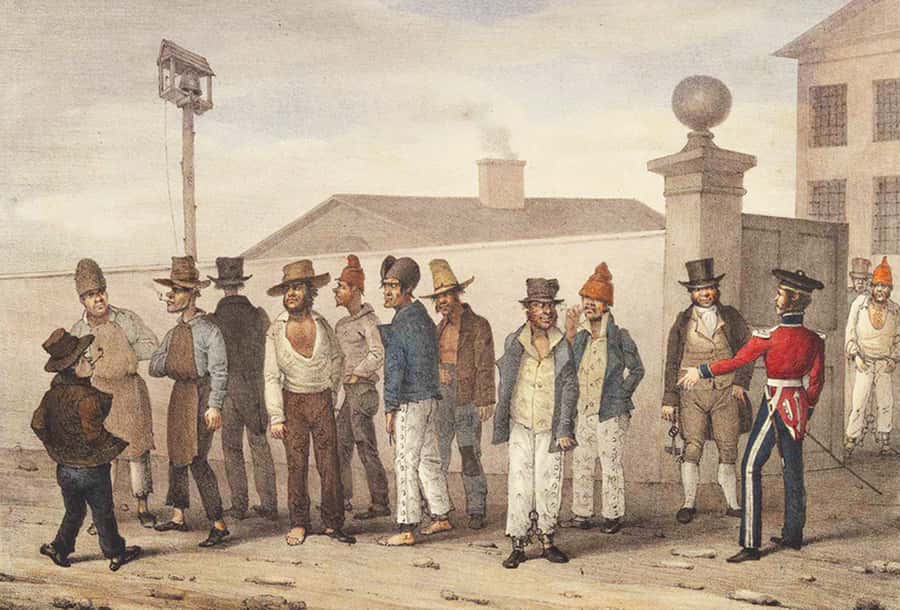
I like that the tour doesn’t treat “convicts” as a single label. You’ll hear about prisoners, soldiers, and sailors who washed ashore, and you’ll also get the colony’s ripple effects—including its impact on Indigenous people around the turn of the 19th century. That framing matters, because it helps you understand that history here wasn’t only about criminals. It was about power, economics, and displacement.
One more thing I appreciate: the pace is built for a real walk—150 minutes—so you don’t end up stuck in one stop for too long. It’s a good length for a first-time visit if you want more meaning than just photos of the harbour.
You can also read our reviews of more walking tours in Sydney

Starting at Customs House Library: The Harbour’s “Why Were You Here?”
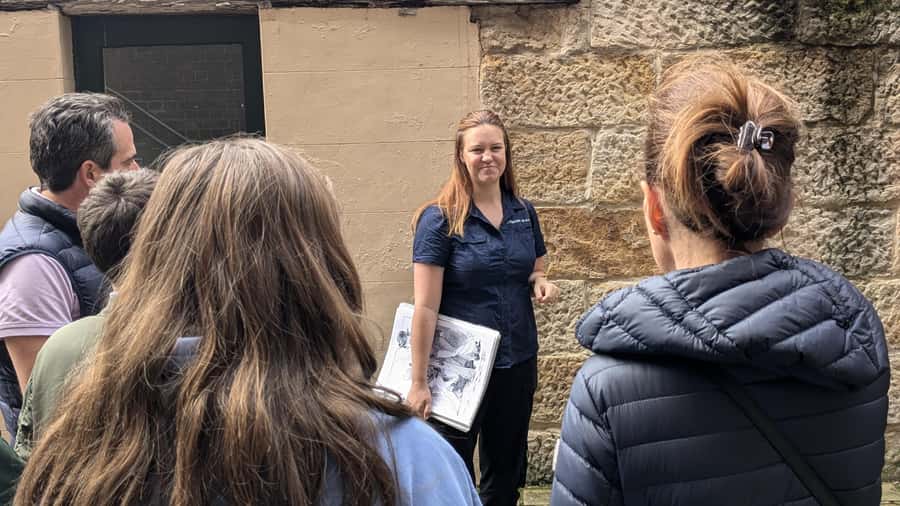
You start at Customs House Library, right outside the Customs House building (on the right-hand side if you’re facing it). This is a smart opening because Customs House is tied to movement: trade, shipping, regulation. It sets the tone that this story is about arrivals and control.
From there, the early talk helps you orient yourself in time. You’re not just hearing dates. You’re hearing why transportation happened, how prisoners were moved to Australia, and how that created immediate pressure on the colony’s social and labor systems. It’s also where the tour’s key theme—currency of rum and the colony’s informal street economy—starts to feel believable rather than like a random trivia fact.
If you want a practical tip, it’s this: early on, take a moment to look up and around. The area has a “layers” feel—old buildings beside newer harbour development. When the guide points out what survives (and what doesn’t), those views suddenly make sense.
Circular Quay: Where the Colony’s Stories Meet the Water
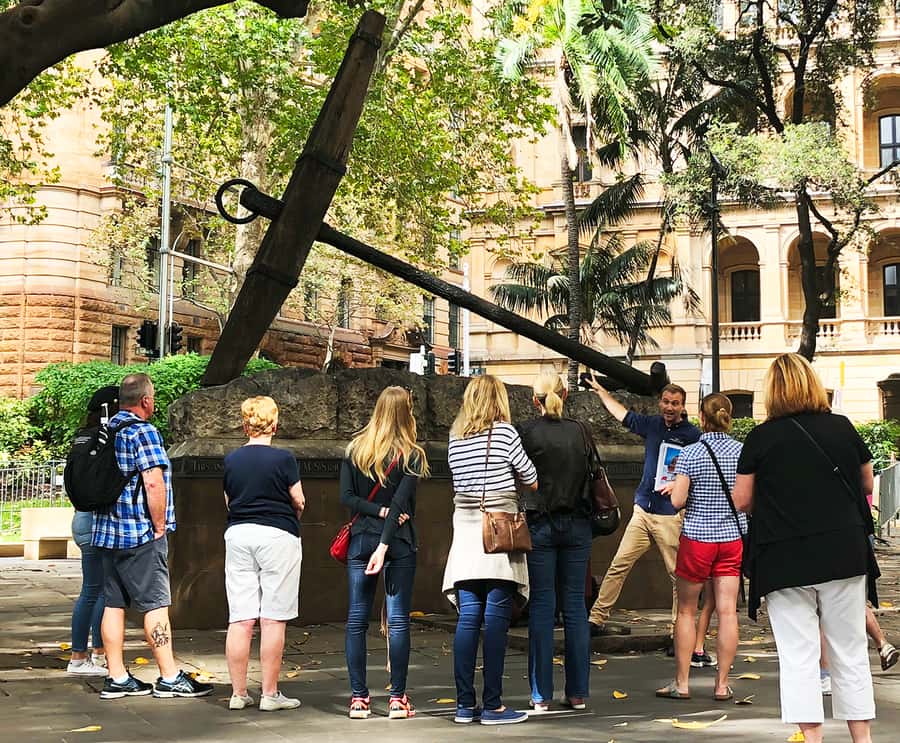
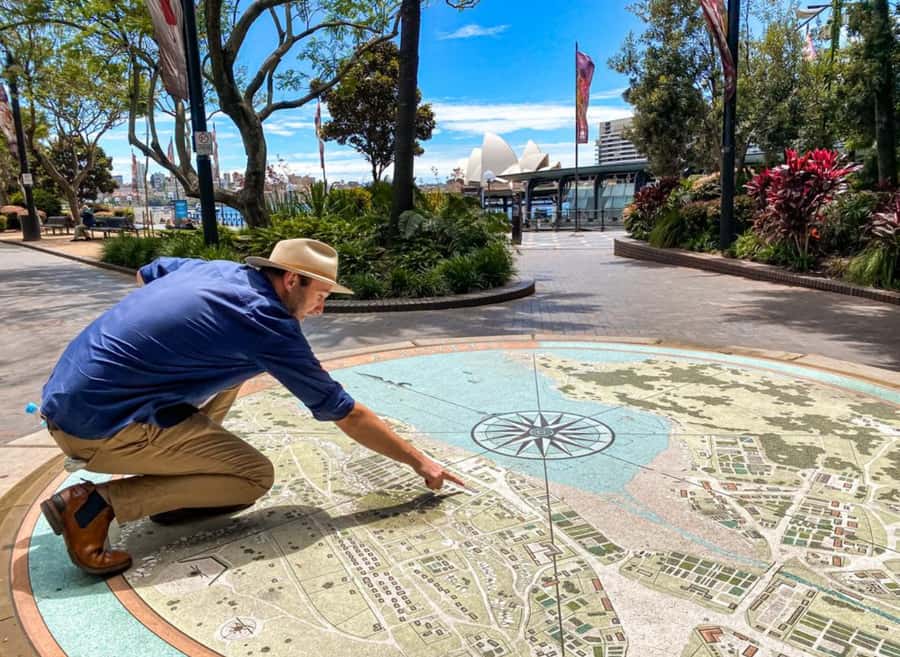
Next you head toward Circular Quay. This is where the harbour stops being just scenic and becomes the stage for the colony’s logistics. You’ll spend about 25 minutes here, and the time works well because you’re walking with sightlines to the water.
You’ll connect the dots between people arriving—prisoners, soldiers, sailors—and the structures that had to follow: workplaces, storage, administration, and the networks that formed when official systems weren’t enough. The guide’s emphasis on criminals and street gangs might sound sensational on paper, but in context it’s actually about how power gets traded in real life.
I also like that this stop helps you understand “why The Rocks” without making it sound like a museum lecture. You’ll start to feel how the geography shaped daily life: walking distances, access to the harbour, and the kinds of buildings that could hide back-of-house operations.
Macquarie Place Park: The Colonial Plan Behind the Scenes
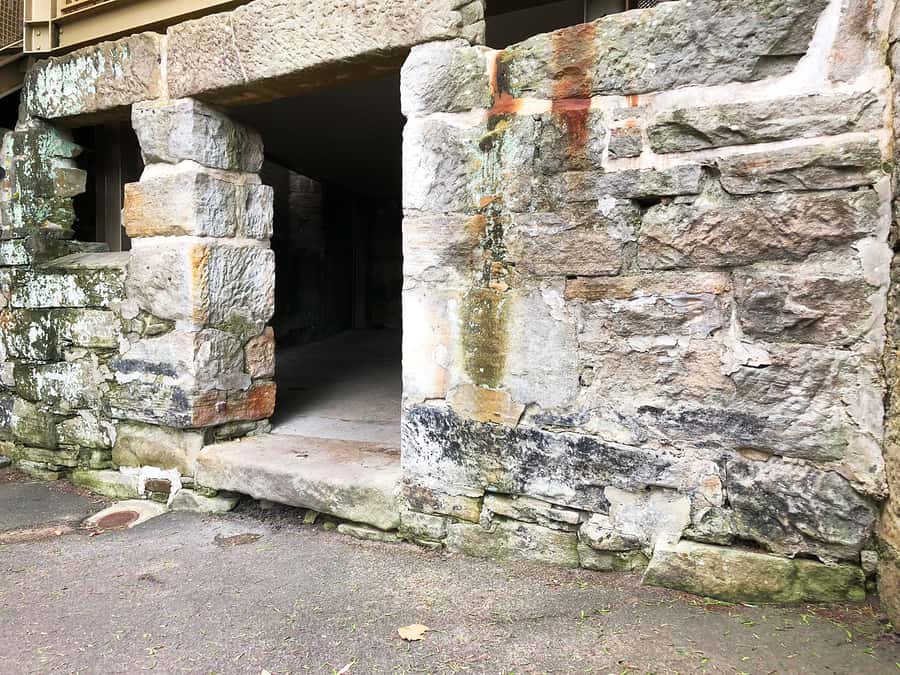
Macquarie Place Park is the middle anchor, with around 20 minutes here. This is a useful swing point because it shifts your thinking from arrivals to planning—how Sydney tried to organize itself after the fact.
The tour includes stories tied to leadership and ambition in the early settlement era, including an account of an ambitious Governor who wanted to decorate the prison settlement. Whether you’re a history fan or not, that kind of detail lands because it shows contradictions: a place built on punishment and control also attracted spending, image-making, and the desire to look legitimate.
At this stop, you’ll often get the “inner logic” of the colony: why people were placed where they were, and how architecture and policy reinforced each other. It also helps you understand later moments in The Rocks, like convict-era building work and the survival of old sandstone features.
The Rocks (75 Minutes): Cobblestones, Hidden Ruins, and Convict Cut Sandstone
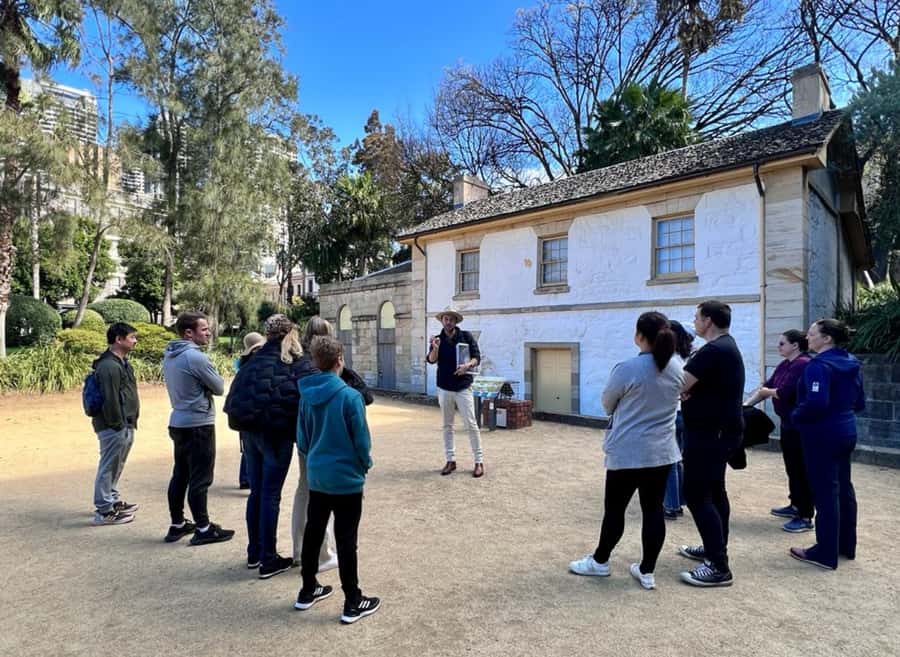
The heart of the tour is The Rocks, with about 75 minutes focused here. This is where the tour earns its reputation. You’ll wind through cobblestone alleyways, see examples of Georgian and Victorian architecture, and learn how heritage structures once served practical needs—work, storage, and the messy overlap between law and survival.
Here’s what I think you’ll enjoy most. The guide doesn’t just point at buildings. They explain the “inside story” of how these spaces functioned. You’ll hear about hidden corridors, unknown stories inside heritage sites, and traces of abandoned slums. Even the enormous cellars for spirits and stores become understandable when you know who controlled alcohol and why it mattered.
You’ll also get specific convict-era material details, like convict cut sandstone. That’s the sort of phrase that sounds technical until you see the evidence in front of you. Once you do, it clicks: this wasn’t a generic colonial city. It was built with labor, and you can still see where the cutting and fitting happened.
You can also read our reviews of more historical tours in Sydney




The convict and the bigger picture
One of the tour’s most interesting narrative threads is the “how Sydney actually worked” angle. You’ll hear about criminal transportation and how it affected Indigenous communities in the early 1800s. You’ll also hear about a convict architect case, which adds a layer beyond the standard convict story—showing that skills, patronage, and policy could reshape outcomes for particular individuals.
Then comes a story element that’s oddly compelling: the path of a teenage girl who rose from chains to riches by conquering Sydney’s economy. Even if you don’t remember every name in the moment, this kind of narrative helps you understand how the colony’s economy created winners and losers fast.
Argyle Cut Finish: A Strong Ending Point for a Street-Level View
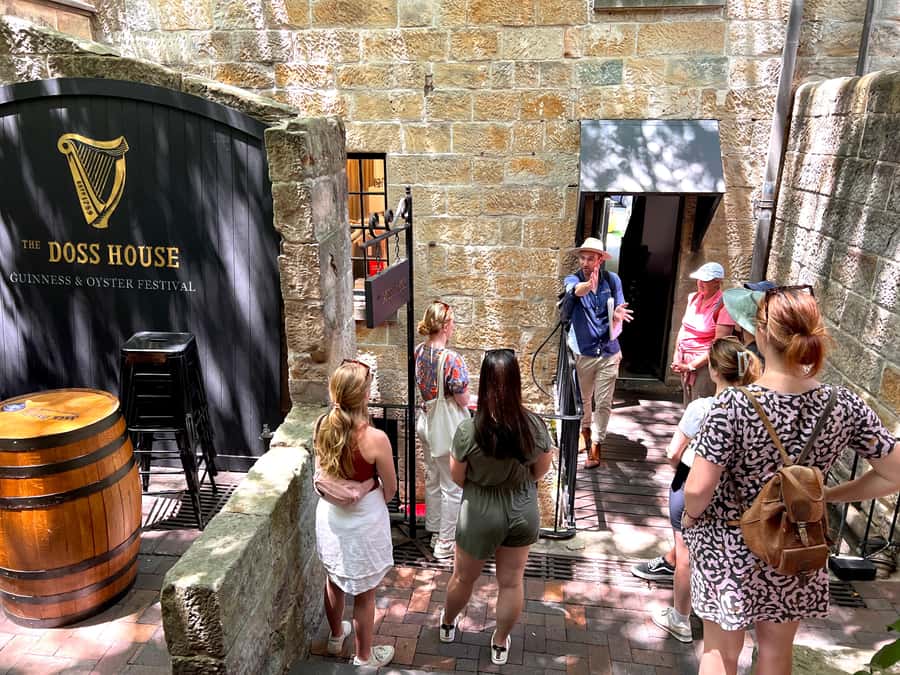
The walk ends at Argyle Cut. This finish works because it gives you a final “stage” moment—one more physical reminder that the city’s early shape wasn’t abstract. It was carved, arranged, and rebuilt.
Ending at Argyle Cut also keeps you grounded in place. Instead of hopping around Sydney by transport, you’re left with a clearer mental map. After this, The Rocks feels less like a photo backdrop and more like a walkable story you can keep exploring.
If you like to follow a theme, this is the point where you can decide what to see next on your own. You’ll know which buildings seemed most important to the guide, and you’ll have the vocabulary to recognize convict-era traces when you pass them later.
What’s Included (and Why It Matters for Value)
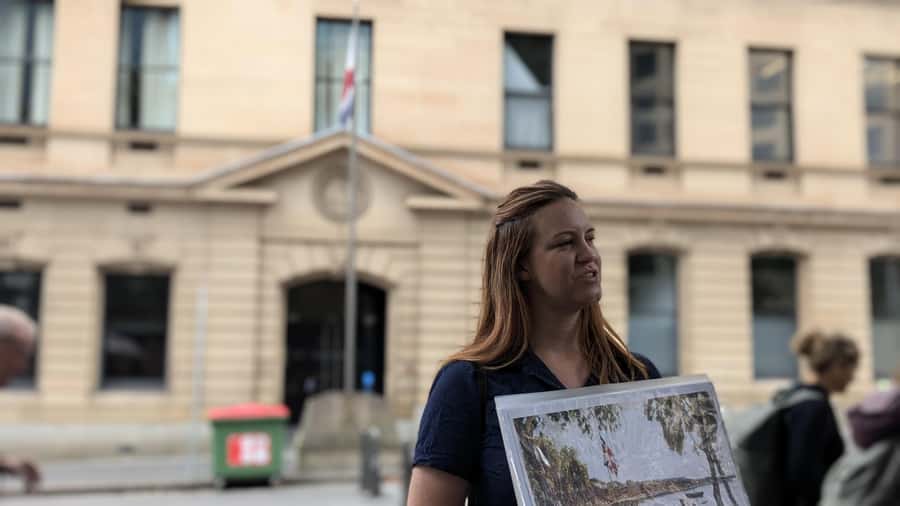
This tour includes entrance into historic buildings such as Argyle Stores and Customs House. That matters more than you might think. A lot of walking tours are mostly narration outside. Here, the access to heritage interiors gives the stories somewhere to land.
You also get an insider’s guide angle—local historic pubs, heritage architecture, and discovery museums—which is useful if you’re trying to plan a day that feels like Sydney, not like a checklist.
And you get a live English-speaking local historian guide, which is the right choice for a subject like convict history. You’ll have chances to ask questions, and the best part is that good guides can correct context in real time.
From the reviews, guides like Beck, Max, Alex, and Pete are repeatedly praised for sticking to facts and answering questions directly. I take that seriously as a sign that you’re unlikely to get generic “tour script” answers.
Pace, Footwear, and Weather: How to Set Yourself Up
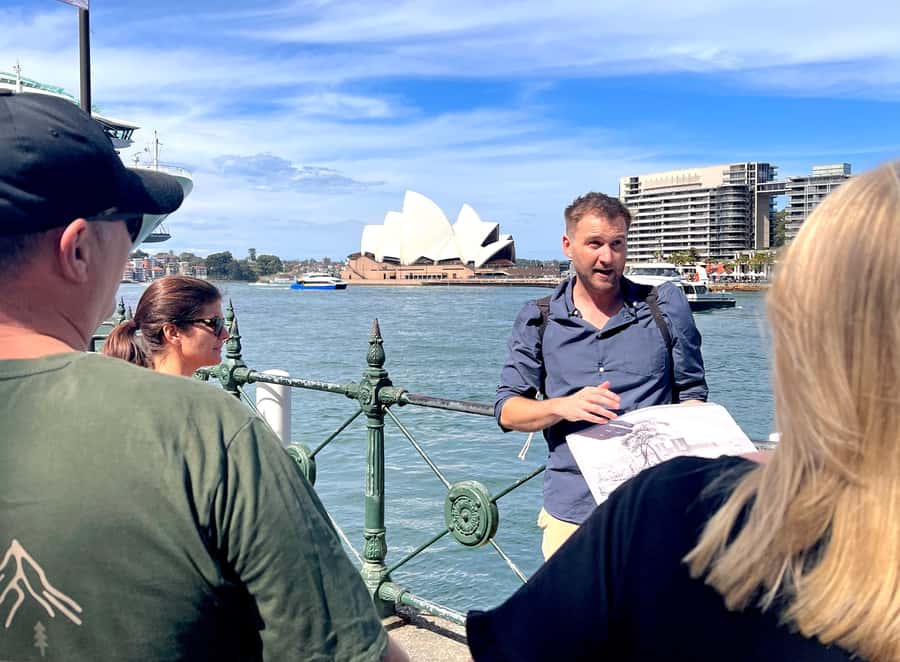
This is a walking tour, built around the streets of The Rocks. Comfortable walking shoes aren’t optional here—they’re the difference between enjoying the sandstone lanes and regretting your choices by the third turn.
Plan on:
- Adult themes (tour is most suitable for ages 14+)
- Stairs in The Rocks (some are unavoidable)
- About 2.5 hours walking time
Weather is also not a deal-breaker. In wet or wild conditions, the tour continues. Bring an umbrella or raincoat so you can keep your focus instead of fighting the elements.
One more practical detail: the tour does not allow luggage or large bags, and it does not allow pets or baby strollers (assistance dogs are allowed). If you’re touring Sydney by the “pack everything” method, you’ll want to travel lighter for this one.
Who This Tour Fits Best (and Who Should Skip It)
This works well if you:
- like history you can see, not just read about
- want the story behind The Rocks, including convict transportation and the colony’s social impact
- enjoy walking with a guide who stays conversational and answers questions
It may not be ideal if you:
- have mobility impairments (it’s explicitly not suitable for this)
- can’t manage uneven streets and some stairs
- prefer history with minimal adult themes (this one is aimed at ages 14+)
Also note the cultural sensitivity warning: Aboriginal and Torres Strait Islanders are advised the tour may include names and images of people who are now deceased. If that’s not something you’re comfortable with, consider checking in before you book.
Value Check: Is $36 a Good Deal for 150 Minutes?
At $36 per person for 150 minutes, this isn’t priced like a “cheap walk.” It’s priced like you’re paying for two things: time with a local historian guide and access to heritage sites.
The best value angle is the combination of:
- guided storytelling on the streets (cobblestone lanes, hidden ruins, sandstone details)
- interior access to major heritage buildings like Customs House and Argyle Stores
- practical local context through architecture and the local pub/museum pointers
If you’re in Sydney for only a short time and you want one tour that changes how you see The Rocks and the harbour area, this is a strong pick. If you already know every detail about convict transportation, you might feel the history is familiar. But the building access and the street-level specifics still give it weight.
Should You Book This Sydney Convicts + The Rocks Tour?
I’d book it if you want your Sydney day to feel grounded in place. You’ll walk through The Rocks with clear context: how the colony formed, why transportation mattered, and how economic power grew around rum, labor, and control. The tour’s biggest strength is that it turns architecture and street layouts into evidence, not just scenery.
Skip it if stairs and mobility are an issue, or if you don’t want adult-themed history. Also, if you’re expecting a party-style tour, this is more steady walking and story craft than entertainment fluff.
If you want to understand Sydney beyond the harbour views, this is one of the most direct ways to do it.
FAQ
How long is the Sydney Convicts, History & The Rocks walking tour?
The tour runs for 150 minutes (about 2.5 hours).
How much does the tour cost?
It costs $36 per person.
Where do I meet the guide?
Meet your guide in front of the Customs House building, on the right-hand side if facing the building (outside).
What language is the tour conducted in?
The tour is conducted in English by a live guide.
Is this tour suitable for people with mobility impairments?
No. It is not suitable for people with mobility impairments, and some stairs are unavoidable in The Rocks.
Are luggage, pets, or strollers allowed?
No luggage or large bags are allowed. Pets are not allowed (assistance dogs are allowed). Baby strollers are not allowed.
What’s included in the tour?
You’ll get entrances into historic buildings such as Argyle Stores and Customs House, plus guided time with a local historian through the Rocks.
Does the tour run in bad weather?
Yes. In wet or wild weather, the tour continues, so bring an umbrella or raincoat.
Is the tour okay for teenagers and kids?
It’s most suitable for persons older than 14 years old due to adult themes and concepts.
Can I get a refund if my plans change?
There is free cancellation up to 24 hours in advance for a full refund, and you can reserve and pay later (pay nothing today).
You Might Also Enjoy


More Walking Tours in Sydney



More Tours in Sydney
- Blue Mountains Small-Group Tour from Sydney with Scenic World,Sydney Zoo & Ferry
★ 5.0 · 3,709 reviews



More Tour Reviews in Sydney
- Blue Mountains Small-Group Tour from Sydney with Scenic World,Sydney Zoo & Ferry
★ 5.0 · 3,709 reviews