
Sydney turns into a game.
This self-guided clue trail is a smart way to see big landmarks without sitting through a lecture, and you’re in charge of the pace on your phone or device. You’ll solve 18 prompts as you go, and get the next clue only when you’re right—so the whole thing feels more like a scavenger hunt than a standard walking tour.
I especially like two things. First, it ends in a pub in Circular Quay, which gives the walk a satisfying payoff. Second, it’s designed for teams: you’ll enter a team name and see your score on a leaderboard at the end, which makes it a great fit for work groups and friend groups.
The one thing to consider is that you’ll be relying on your device and your group’s puzzle-solving. If you’re hoping for a hands-on guided explanation at every stop, this is more about figuring it out as you walk than listening to a person talk the whole time.
In This Review
- Key highlights at a glance
- A self-guided Sydney trail that makes you pay attention
- Price and group value: $39.45 per group for up to six
- How the clue game works (including the pause-on-answer clock)
- Starting in Pyrmont: where the trail begins and how you’ll move
- Stop 1: Darling Harbour, where the clues meet the waterfront
- Stop 2: Sydney center clues, and why the route matters
- Stop 3: Queen Victoria Building (QVB) and the fun of looking closely
- Stop 4: Circular Quay and finishing at a pub
- Team building without forced small talk
- Timing, pace, and day planning that actually helps
- Smartphone clue trails: practical tips for smooth solving
- Who this Sydney experience fits best
- Should you book Discover Sydney?
- FAQ
- How long is the Discover Sydney trail?
- Is this tour private for my group?
- How many clues are included?
- Where does the tour start and end?
- What if we get stuck on a clue?
- Can I cancel for free?
Key highlights at a glance
- 18 clues over about 2–3 hours, with a built-in rhythm that keeps you moving
- Clock pauses on correct answers, so you can slow down and enjoy the sights
- Private group format up to 6, great for teams that want their own time
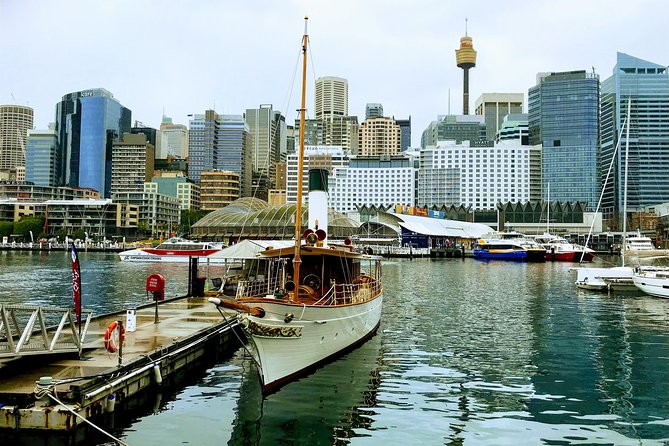
- Stops include Darling Harbour, the QVB, and Circular Quay, mixing waterfront views with central Sydney
- Help and Hint options if you get stuck, so the game doesn’t grind to a halt
- Pub finish in Circular Quay, an easy end point after the final clue
A self-guided Sydney trail that makes you pay attention
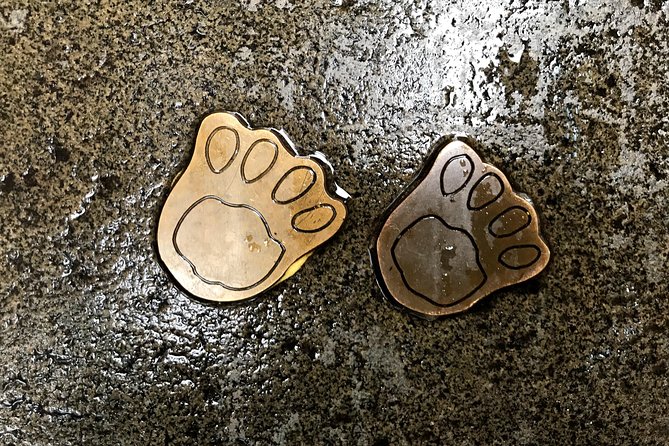
If you’ve ever wandered through Sydney and thought, I’ve seen this before, but I never really noticed it, this style of tour is for you. The route is built as a sequence of short challenges, and each answer unlocks the next step. That structure pushes you to look up, look around, and read details you’d normally skip while walking between famous stops.
For the price point, the format also feels efficient. You’re not paying for someone’s narration time—you’re paying for a designed experience that guides your route and gives you a clear “next thing” to do. The result is that your time feels purposeful without feeling rigid.
And since it’s self-guided, you can shape the day around your group. If you want to spend longer on a photo spot, you can. If you want to race through the clues, you can too—especially because the clock behavior is geared toward correct answers, not forcing you to sprint.
You can also read our reviews of more tours and experiences in Sydney.

Price and group value: $39.45 per group for up to six
This tour is priced at $39.45 per group for up to 6 people. That matters because it turns the math from per-person cost into something that’s usually easier to justify for families, friends, and teams.
If you’re visiting Sydney and you’ve got a small group, you can split the cost and end up with a very low effective price per person for a 2–3 hour activity. If you’re local, it’s a cheap way to “tour” your own city without spending money on separate attractions.
Two other value notes make a difference:
- You get a full route with multiple major sights rather than one single neighborhood walk.
- You finish at a built-in social stop in Circular Quay, which can reduce the need to plan an extra activity at the end.
How the clue game works (including the pause-on-answer clock)
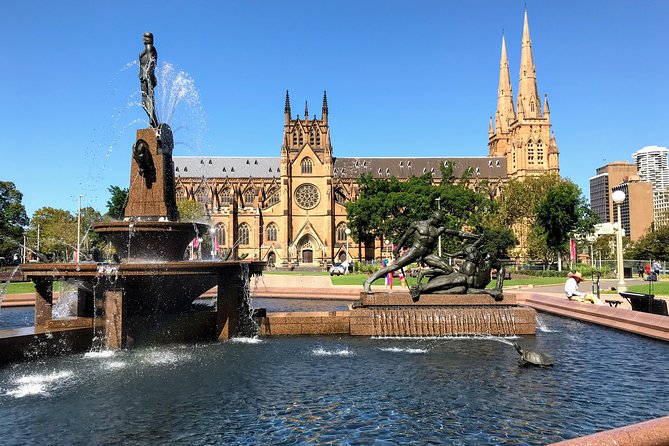
Here’s the core mechanism, and it’s why this tour feels smoother than many self-guided experiences. You receive clues on your smart phone or device. When your group answers correctly, the system sends the next clue. At that moment, the clock stops, which gives you room to take a breath, check what you found, and enjoy the place you’re standing in.
When you’re ready to keep going, you hit Next Clue, and the clock starts again. That design is important. It means you’re not trapped in a constant time pressure loop. You can treat each clue like a mini mission rather than a stressful quiz where every mistake ruins your pace.
There are Help and Hint options too. That’s a big deal for groups, because it prevents the most common problem with puzzle trails: getting stuck and feeling like you’re burning time. The goal is steady progress, with escape routes when you need them.
Finally, you’ll see your team name and time on a leaderboard at the end. It’s not just for show; it turns the whole walk into a light competition, even if you’re just doing it for fun.
Starting in Pyrmont: where the trail begins and how you’ll move

The meeting point is 50B Pirrama Rd, Pyrmont NSW 2009, and the activity ends back at the same location. That makes planning easier: you’re not dealing with a complicated transfer back to where you started.
The start location is also helpful because Pyrmont sits close to the areas you’ll be visiting next. In practical terms, you’re setting your group up for an “easy start” and a “clean finish,” which matters when you’re trying to keep the activity flowing and not adding friction with transportation.
The tour is private, meaning it’s only your group. For groups of up to six, that often feels better than joining a larger shared walking activity where you’re trying to coordinate multiple strangers.
Also worth noting: service animals are allowed, and the experience is near public transportation. So even if your group doesn’t arrive all at once, it’s typically manageable to meet up without a long waiting period.
Stop 1: Darling Harbour, where the clues meet the waterfront

Darling Harbour is a strong first target because it’s visual. You’re arriving at an area where there’s lots to see—water views, busy streets, and plenty of landmarks in the open. For a clue trail, that works well because it gives your group multiple angles to figure things out.
As a warm-up, the goal is simple: get your team used to the way the puzzles operate. The early clues tend to function like confidence builders—enough challenge to get your brains engaged, but not so intense that you feel lost right away.
One practical upside: Darling Harbour is the kind of place where your group will naturally slow down for photos and scanning details. That matches the tour’s design, since you’ll want time to read, notice, and answer correctly to get the next clue.
Potential drawback at this stop: Darling Harbour can be crowded at peak times. If you’re going on a busier day, give your group extra patience for moving between clue points without rushing. The clue clock pauses on correct answers, which helps, but the walking space can still feel tight.
- Blue Mountains Small-Group Tour from Sydney with Scenic World,Sydney Zoo & Ferry
★ 5.0 · 3,709 reviews

Stop 2: Sydney center clues, and why the route matters

After Darling Harbour, the trail continues through central Sydney with another set of clue prompts (the listing refers to this as Sydney). This segment is where the tour shifts from “waterfront sightseeing” into “city-awareness mode.”
This is the part I like most for locals and returning visitors. You’ll be moving through areas that you may have walked past before, but the clue format makes you treat the streets like information. Instead of seeing Sydney as just a backdrop, you start seeing it as a set of solvable details.
Even if you don’t love puzzles, this section can still pay off because it forces you to slow down enough to notice symbols, architecture, and the small cues that give cities their personality.
One caution: if your group has very different pacing styles (one person loves solving while another just wants to stroll), you’ll want to decide early how decisions will be made. Many teams handle this by letting one person read the clue while someone else looks around, then everyone votes. It keeps the game moving while still letting the whole group enjoy the walk.
Stop 3: Queen Victoria Building (QVB) and the fun of looking closely
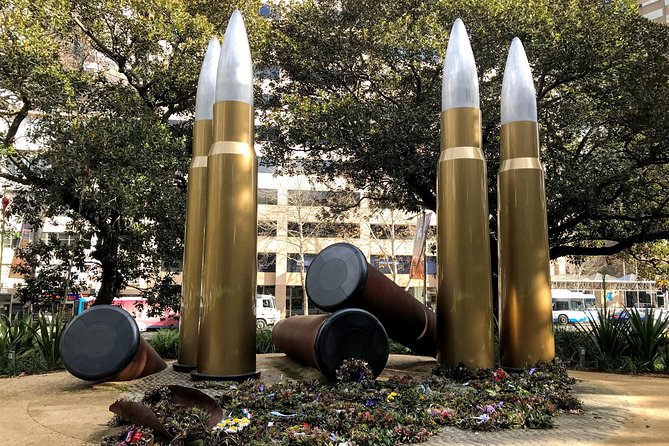
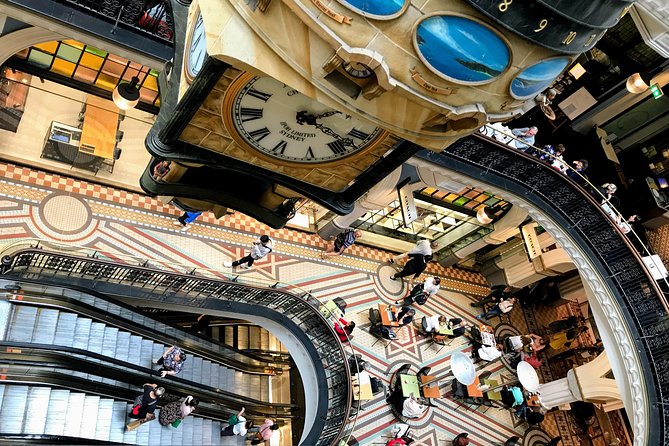
The route then brings you to the Queen Victoria Building (QVB), which is a great stop for a clue trail because it’s the kind of place where details jump out. Even if you’re not there to shop, an indoor landmark like this gives you a “change of scenery” and a denser environment to search for answers.
For clue tours, that’s ideal. Your eyes don’t just need to scan the street—you also start thinking about layout, features, and what’s visible when you stop moving.
A QVB day can also become a flexible break. If your group wants a quick coffee or just to take a breather, the QVB offers an easy pause point in the middle of the activity. The trail timing—about 2–3 hours—means you’re not stuck for the whole afternoon, but you still get a meaningful central-city segment.
Possible drawback: QVB can feel busy depending on the time of day. If you’re traveling with a group that hates crowds, plan for a little extra “wiggle room” so you don’t feel rushed while answering clues.
Stop 4: Circular Quay and finishing at a pub
Circular Quay is the natural closer to this route, and the design doesn’t waste that. The clues lead you toward the water-facing area, and the tour ends at a pub in Circular Quay. That’s not just a random ending—it’s a psychological reward: after working for answers and walking the city, you get a comfortable place to decompress.
I like this kind of finish because it removes the last-step planning problem. Instead of asking, Okay, now what do we do, you already know the end point and the vibe. It also works well for mixed groups: some people might want to talk about the clues, others might just want the view and a drink.
If you’re organizing a team outing, this matters even more. The “game” becomes a shared story, and then the pub is where you turn that story into actual connection.
One small consideration: because it ends in a pub, the ending atmosphere may be more appealing if your group includes people who are fine with a casual drink or snack after the walk. If your group is totally alcohol-free, you can still treat the pub as a meeting place, but it may not feel like an ideal payoff.
Team building without forced small talk
One of the strongest signals from the experience is that it works for groups. The tour is private for your group (up to 6), and the leaderboard setup adds a light competitive layer. That’s useful for team events because it gives you something structured to do together.
Instead of forcing a sit-down icebreaker, you hand people a mission: solve clues, argue politely about answers, and move through Sydney as a unit. It’s also active in a way that doesn’t require athletic energy—it’s more about attention and teamwork than endurance.
If you’re planning a corporate activity, this is often a good fit because:
- everyone can participate at their own speed,
- the pause-on-correct-answer clock reduces stress,
- and the pub finish gives a natural place to wrap up.
For friends and families, it’s similar. It turns a “let’s go sightseeing” day into something more playful, especially when the group is mixed ages.
Timing, pace, and day planning that actually helps
The experience is listed as about 2 hours 30 minutes (roughly 2–3 hours), and there are 18 clues to complete. That clue count is important: it tells you this isn’t a quick 45-minute diversion. You should plan for a proper block of time where your group can focus.
It’s also booked on average 95 days in advance, so if you’re targeting a popular time window, don’t assume it’ll be available last minute. Planning ahead usually saves headaches.
The experience runs during these hours (weekday schedule shown in the details): Monday–Friday from 9:00 AM to 3:30 PM. So if you’re deciding between a weekend and a weekday trip, build your schedule around that window.
If you’re trying to line it up with other plans, I’d treat it like a main activity in your morning or early afternoon. The pub finish can then become your natural “end of the game” moment.
Smartphone clue trails: practical tips for smooth solving
You’re guiding yourself on a smart device, so the smoothness of the experience depends on basic tech readiness. I’d treat this like any other self-guided audio or map experience: your group should have a charged phone, and you’ll want at least one person comfortable tapping through clues and using Help or Hint if the group gets stuck.
Since the clock stops when you answer correctly, you may want a simple team workflow:
- One person reads the clue.
- One person scouts the surroundings for visual cues.
- Everyone gives an answer, then you try.
If you get stuck, use Help or Hint early enough that you don’t burn the team’s energy. Puzzle trails tend to work best when they keep momentum.
Also, remember that the tour ends back at the meeting point. That means you don’t need to coordinate a complex “pickup” plan for your group.
Who this Sydney experience fits best
This is a great fit if you want a guided-by-clues way to cover multiple major sights without committing to a full walking lecture.
You’ll likely enjoy it if:
- you’re a tourist who wants more than photos and a single monument stop,
- you’re a local who wants to see Sydney with fresh focus,
- you’re organizing a team outing and want something active but not complicated.
It may not be ideal if your group wants a traditional guide-led experience with deep commentary at each site. This is more about teamwork, curiosity, and solving your way across the city.
Should you book Discover Sydney?
I think you should book Discover Sydney if you’re aiming for a fun, structured way to cover Darling Harbour, the QVB, and Circular Quay in one go—especially if you’re doing it with a group of up to six. The clue system, the pause-on-correct-answer clock, and the pub finish in Circular Quay make the whole day feel like an activity with a built-in arc, not just wandering.
I’d skip it only if your group dislikes puzzle-solving or really needs a live guide to explain everything. Otherwise, it’s one of those practical Sydney choices that gets you walking, noticing, and laughing at the same time.
FAQ
How long is the Discover Sydney trail?
It’s listed as about 2 hours 30 minutes, with an expected total time of roughly 2–3 hours to complete the 18 clues.
Is this tour private for my group?
Yes. It’s private, and only your group participates.
How many clues are included?
There are a total of 18 clues.
Where does the tour start and end?
It starts at 50B Pirrama Rd, Pyrmont NSW 2009, Australia, and it ends back at the same meeting point.
What if we get stuck on a clue?
You can use the Help and Hint options on your device. You can also look things up on your device if needed.
Can I cancel for free?
Yes. Free cancellation is available up to 24 hours in advance for a full refund. If you cancel less than 24 hours before the start time, the amount paid is not refunded.
You Might Also Enjoy


More Tour Reviews in Sydney
- Blue Mountains Small-Group Tour from Sydney with Scenic World,Sydney Zoo & Ferry
★ 5.0 · 3,709 reviews