REVIEW · SYDNEY
Historical True Crime Walking Tour of East Sydney
Book on Viator →Operated by Murders Most Foul · Bookable on Viator
Crime stories in Sydney come with great architecture.
This Historical True Crime Walking Tour of East Sydney mixes street-level crime tales with the Victorian and Edwardian streets that still shape the area today, from the early 1900s through the 1960s.
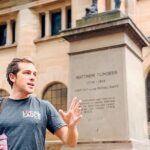
I especially like the easy-to-find meeting point near MuseumSydney and the way the tour stays lively, not lecture-y. You’ll get a lot of detail from Elliott, including the social context behind the crimes, not just names and dates.
One thing to consider: this is an outdoor walk, and it runs on good weather, so plan around that.
In This Review
- Key things I’d make sure you don’t miss
- East Sydney’s “Razorhurst” feeling, without the hassle
- Price and value: $24 for two hours of guided context
- Meeting at MuseumSydney and ending at Kinselas Hotel
- Stop 1: Hyde Park, the ANZAC Memorial, and a 1920s cold case
- Darlinghurst on foot: old laneways, 1860–1970 crime scenes
- The Sydney gaol (built in 1841) and the machinery of punishment
- Police station and courthouse: where investigations met consequences
- Kinselas Hotel on Taylor Square: a 1930s funeral parlour turned bar
- The guide’s style: story, sociology, and names you can remember
- Walking comfort: “moderate fitness” and why that’s actually reassuring
- Who should book this tour (and who might want a different option)
- Should you book this Historical True Crime Walking Tour of East Sydney?
- FAQ
- How much is the Historical True Crime Walking Tour of East Sydney?
- How long is the tour?
- Where does the tour start and where does it end?
- What kind of fitness level do I need?
- Are service animals allowed?
- What happens if the weather is poor?
Key things I’d make sure you don’t miss
- Hyde Park with multiple layers: ANZAC Memorial, pond, Aboriginal presence, and a 1920s cold case thread
- Darlinghurst’s old laneways where 1860–1970 crime stories are tied to the buildings you can still see
- Sydney gaol built by convicts (1841) plus talk of inmates and hangmen
- Crime names you’ll recognize like the Parkland Killer and the Mutilator Murders of the 1960s
- Kinselas Hotel on Taylor Square, once a 1930s funeral parlour, now a bar with LGBT Mardi Gras ties
- Small-group feel with a max of 25 people and time to chat without rushing
East Sydney’s “Razorhurst” feeling, without the hassle
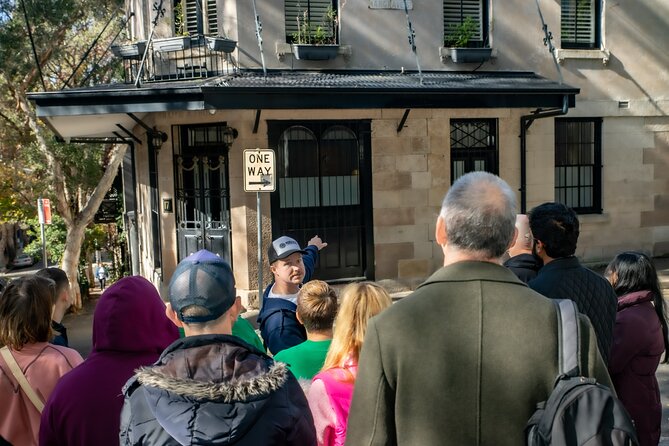
East Sydney can look pretty normal from the outside. But on this walk, it turns into a timeline you can step through.
You’re in Darlinghurst, an area that used to be described as Australia’s most dangerous suburb between 1890 and 1960. The tour doesn’t just point at plaques. It connects what happened to the streets, the institutions, and the kind of neighborhoods that make crime more likely. That’s what makes it more than a spooky stroll.
The pace also works for real travel days. It’s about two hours and you’re not dealing with a huge, exhausting trek. You’ll walk enough to feel like you’re moving through the city, but not so much that it becomes the whole activity.
You can also read our reviews of more walking tours in Sydney

Price and value: $24 for two hours of guided context
At $24, this is one of those deals where the real cost is time and attention, not money. You’re paying for a guide who can stitch together Hyde Park, convict-era facilities, police and court buildings, and later decades of crime patterns into one coherent story.
What I like about the pricing here is that it’s not selling you a polished “theme park” version of crime. The guide spends time on context—why certain places became hotspots, how policing and punishment worked, and what life looked like when slums, gangs, and drug markets were part of the landscape.
And since the tour caps at 25 people, you’re not stuck in a giant crowd. That makes it easier to hear the details and ask practical questions as you go.
Meeting at MuseumSydney and ending at Kinselas Hotel
The tour starts at MuseumSydney (MuseumSydney NSW 2000) at 11:00 am. It’s a smart choice: you can usually get your bearings fast, and you’re near public transport options.
You’ll end at Kinselas Hotel on Taylor Square (383 Bourke St, Darlinghurst NSW 2010). That matters because you’re finishing in a lively area where you can grab food or a drink afterward without needing to catch another mode of transport.
You also get a mobile ticket, so you’re not digging through emails on a busy street. I find that small thing helps—especially on tours where you want to arrive a few minutes early and not stress.
Stop 1: Hyde Park, the ANZAC Memorial, and a 1920s cold case
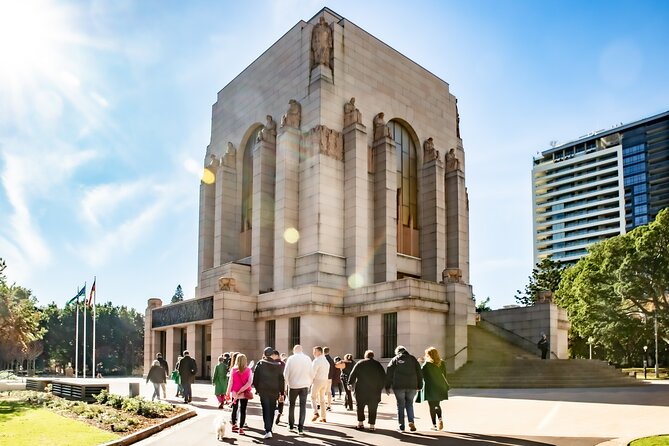
Hyde Park is a perfect opening because it’s not trying to be dark. It has the ANZAC Memorial, a pond, and a calm stretch of green that helps you reset before the crime stories start.
But the tour uses that peaceful setting as contrast. You’ll hear about the use of Hyde Park by Aboriginal people before colonization, which gives the area a deeper timeline than most visitors expect. You’ll also hear about the first cricket match between Australians and English in 1830—a reminder that this space has long been part of community life, not just a backdrop for tragedy.
Then the tour shifts from “city park” to “case file.” You’ll hear about a cold case murder from the 1920s tied to Hyde Park. I like this framing because it sets the pattern for the rest of the walk: events aren’t floating in time. They attach to real places people moved through.
Practical note: Hyde Park is outdoors. If the weather is hot or windy, bring a hat and water before the next leg.
Darlinghurst on foot: old laneways, 1860–1970 crime scenes
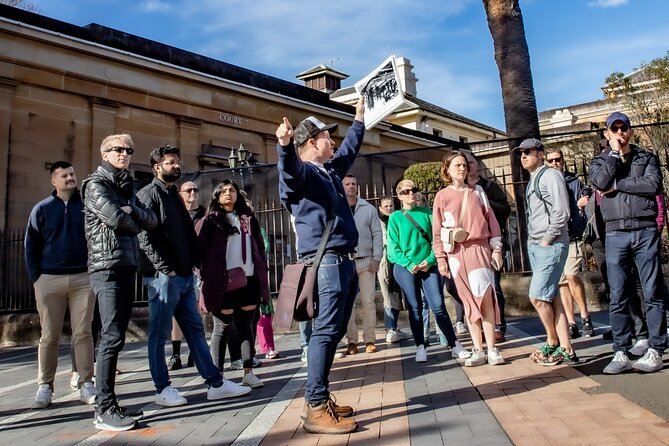
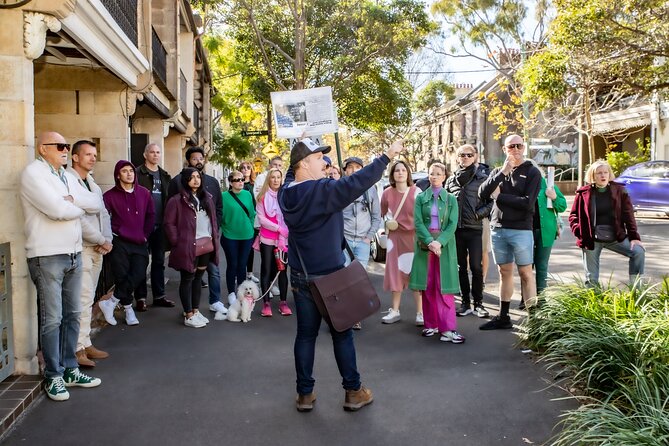
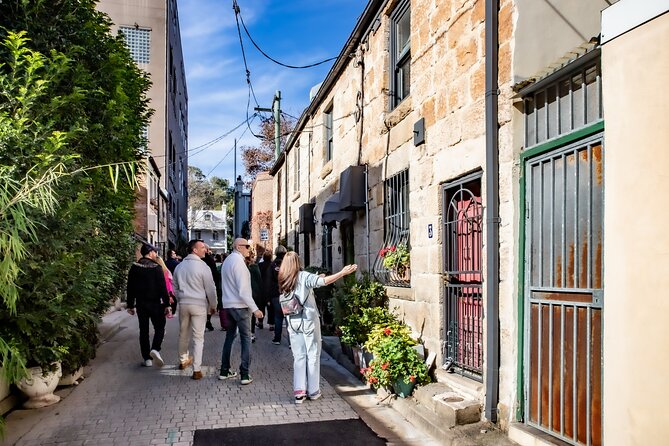
After Hyde Park, you’re fully in Darlinghurst, sometimes called part of East Sydney’s older core. This is where the tour really leans into street reality: you’ll explore old laneways and streets while the guide walks you through crime scenes and the social conditions around them.
The range the tour covers—1860 to 1970—is huge, but the guide keeps it grounded. Instead of only naming criminals, you’ll learn how the area functioned across decades: convict-era punishment and policing, later gang life, and the “street economy” that formed around prostitution and drug dealing.
You’ll also hear about the area once known as Razorhurst, where gang fights happened long ago. That’s the kind of detail that makes the neighborhood feel alive in a way guidebooks rarely do. You’re not just learning facts; you’re learning why the streets mattered.
And yes, there’s architecture. Darlinghurst’s Victorian and Edwardian buildings show up as you walk, so you’re getting two kinds of education at once: crime stories and the city’s architectural character.
You can also read our reviews of more historical tours in Sydney


The Sydney gaol (built in 1841) and the machinery of punishment
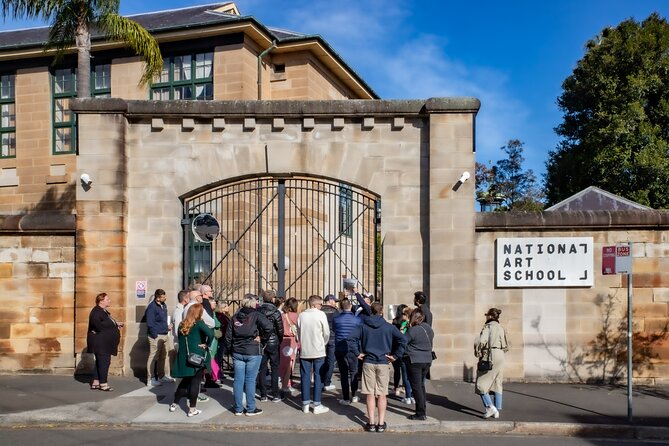
One of the most memorable parts of the walk is seeing the old Sydney gaol built by convicts in 1841. You’ll talk about the inmates and the hangmen—so the tone is serious, and the guide doesn’t treat it like a ghost attraction.
What I find valuable here is the shift from “crime story” to “system.” The gaol isn’t just a dramatic stop. It’s a window into how the colony handled justice and control, and how punishment shaped local life.
If you’ve only ever heard about convict Australia in a general way, this is where it becomes specific. You can stand near the place where incarceration happened and understand how law enforcement and punishment were physical realities, not abstract laws.
It’s also a useful pause in the tour’s flow. After Hyde Park’s cold case and the broad Darlinghurst context, the gaol stop gives you a concrete anchor.
Police station and courthouse: where investigations met consequences
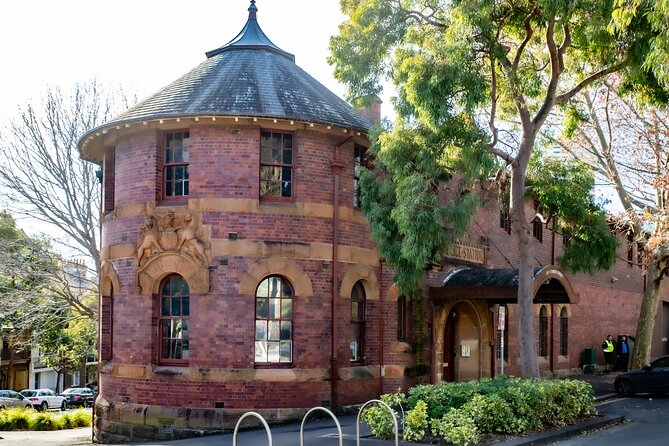
Next comes the old Police Station and Courthouse, and this is where the stories connect to procedure. Even when the crimes are sensational, the guide helps you see the structure behind them—investigation, court outcomes, and the public-facing sides of law enforcement.
I like these stops because they’re not only about one incident. They help you understand how people in the area experienced authority. When the same institutions keep showing up across decades, it tells you something about the community’s pressure points.
These are “look up and notice” moments too. As you move through the streets, you start seeing patterns: where crowds gathered, where disputes could grow, and where the city’s formal systems stood in relation to everyday life.
Kinselas Hotel on Taylor Square: a 1930s funeral parlour turned bar
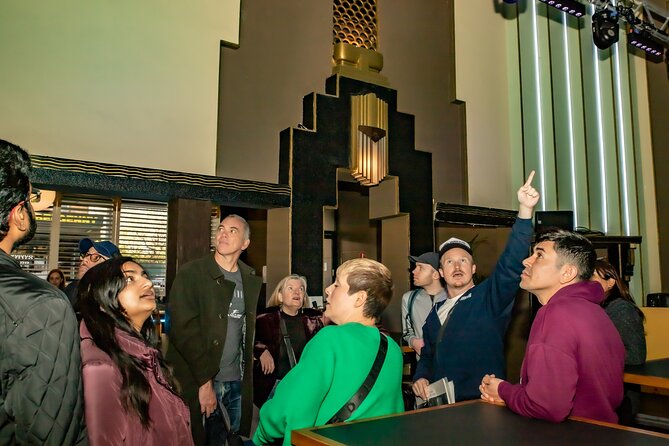
The tour finishes at Kinselas Hotel on Taylor Square. It’s a strong ending because of what the building used to be: a 1930s funeral parlour, later converted into a bar.
That transformation matters to the story. It’s not “crime, then darkness forever.” It’s the city repurposing spaces—turning mourning rooms into social rooms—while the past still lingers in the walls and the area’s reputation.
Taylor Square is also a well-known part of Sydney’s LGBT Mardi Gras backdrop, and the guide ties that modern identity to the older streets around it. You get a sense of how neighborhoods evolve, even when the earlier decades were rough.
If you want a nice travel-day bonus, plan to linger afterward. The finish location is set up for that: you can stretch your legs a bit, grab food, and keep chatting with the group.
The guide’s style: story, sociology, and names you can remember
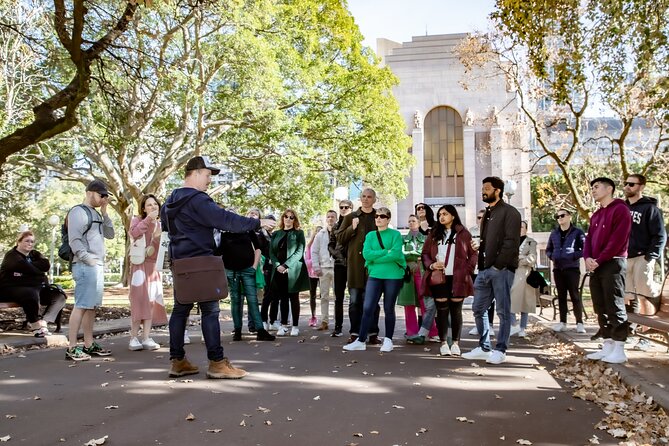
This tour lives or dies on the guide, and it sounds like Elliott hits the mark. The approach isn’t only about dramatic plot points. You’ll get a solid grasp of the sociological angles—from convict years to later decades—so the cases feel understandable, not random.
That’s important. True crime can become a blur of shock. Here, the guide keeps steering you toward why certain kinds of crime were happening in certain kinds of neighborhoods, and how the city’s institutions interacted with those problems.
It also helps that the tour format encourages conversation. With a group size capped at 25, it’s realistic to meet a few people and swap impressions as you walk, without everyone feeling like they’re trapped in a line.
Walking comfort: “moderate fitness” and why that’s actually reassuring
The tour expects moderate physical fitness, and the good news is that it doesn’t feel like a long-distance hike. The route is built around central East Sydney stops that you can realistically reach and handle during a normal sightseeing day.
Still, treat it like any outdoor city walk: wear shoes you can stand in, and keep a light layer handy if the weather flips.
Because the subject matter is heavy at points, you might also want a small break mindset. If you need a moment, you can step aside near wider sidewalks or park edges during transitions between stops.
Who should book this tour (and who might want a different option)
This is a great match if you like:
- True crime told with place-based details, not just one-off facts
- City history that connects to institutions (gaol, police, courthouse)
- Architecture fans who want to see Darlinghurst’s Victorian and Edwardian character while learning local stories
- People who enjoy group tours but don’t want a huge crowd
It’s less ideal if:
- You want a purely upbeat “Sydney highlights” day. The tour covers criminals, prostitutes, drug dealers, and murders, plus gang violence.
- You don’t like spending time outdoors. It needs good weather, and the walking is the whole point of the experience.
Should you book this Historical True Crime Walking Tour of East Sydney?
If you’re the kind of person who likes your sightseeing with a little edge and real context, I’d book it. For $24, you get a tight two-hour guided walk that links Hyde Park and convict-era punishment to later crimes, and it does it while you’re surrounded by still-standing Darlinghurst architecture.
I’d especially recommend it if you want a tour that makes East Sydney feel understandable, not just spooky. The guide’s emphasis on the social picture—plus the mix of sites like Sydney gaol and the Kinselas ending—turns the whole neighborhood into a story you can follow street by street.
If, on the other hand, you hate heavy topics or you’re traveling when weather is uncertain, consider waiting for a calmer day. This is one of those experiences where the setting matters as much as the facts.
FAQ
How much is the Historical True Crime Walking Tour of East Sydney?
The tour costs $24.
How long is the tour?
It runs for about 2 hours.
Where does the tour start and where does it end?
It starts at MuseumSydney NSW 2000, Australia and ends at Kinselas Hotel, 383 Bourke St, Darlinghurst NSW 2010 (Taylor Square).
What kind of fitness level do I need?
You should have a moderate physical fitness level. It’s a walking tour, but the focus is on accessible central stops rather than a long hike.
Are service animals allowed?
Yes, service animals are allowed.
What happens if the weather is poor?
The tour requires good weather. If it’s canceled due to poor weather, you’ll be offered a different date or a full refund.
You Might Also Enjoy
More Walking Tours in Sydney


More Tours in Sydney
- Blue Mountains Small-Group Tour from Sydney with Scenic World,Sydney Zoo & Ferry
★ 5.0 · 3,709 reviews
More Tour Reviews in Sydney
- Blue Mountains Small-Group Tour from Sydney with Scenic World,Sydney Zoo & Ferry
★ 5.0 · 3,709 reviews