REVIEW · SYDNEY
Sydney Wildlife Safari
Book on Viator →Operated by Sydney Bespoke Tours · Bookable on Viator
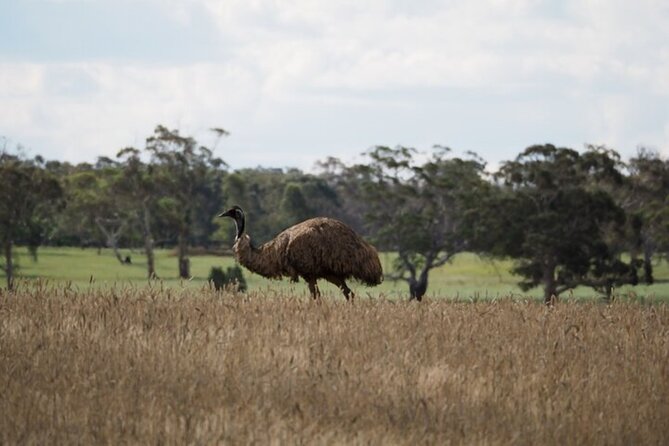
A quiet shift from city noise to wild country. You’ll spend an afternoon and evening in the Southern Highlands, hunting for kangaroos, wallabies, wombats, emus, birds, and possibly platypus. I love that it’s built around real animal behavior and habitat links, not just a drive-and-stop route. The Great Western Wildlife Corridor angle also helps you understand why wildlife shows up when it does. One thing to factor in: you’ll walk about 1 km at a time over steep, rough, and sometimes slippery ground near river banks, so comfy shoes and good balance matter.
Two things I really like: first, the small size (max 8 people) makes it easier to scan, hear instructions, and adjust fast when animals move. Second, the timing is smart, with dusk planned for a quiet river search for platypus. In past outings, guides such as Steve and Emma have been praised for knowing where to look and why, which is exactly what you want when the animals you want are also the ones that hide well.
If you’re hoping for an easy stroll or zero dependence on weather, this is not that kind of day. The tour also calls for good conditions, since wildlife watching is much harder when rain or poor visibility shuts things down.
In This Review
- Key highlights (what makes this tour feel special)
- From Circular Quay To Bowral: The Southern Highlands Field Trip
- The Great Western Wildlife Corridor: More Than a Slogan
- The Afternoon Wildlife Walk: Birds First, Clues Everywhere
- Dusk Platypus Search at a Quiet River
- Dinner at an Old Pub, Then Night Spotlighting for Wombats and More
- Gear, Comfort, and the 1 km-At-A-Time Reality Check
- Price and Value: What $304.83 Covers (and Why It Adds Up)
- Who Should Book This Safari (and who should pass)
- Should You Book the Sydney Wildlife Safari?
- FAQ
- How long is the Sydney Wildlife Safari?
- Where is the meeting point and what time does it start?
- What’s included in the price?
- How much walking is involved?
- Is alcohol included with dinner?
- Will we definitely see platypus?
Key highlights (what makes this tour feel special)
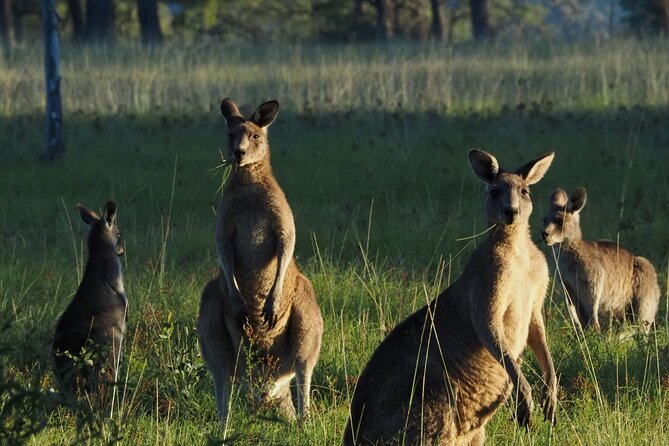
- Small group size (max 8) keeps the experience personal and practical, especially at dusk and at night
- Private farmland plus untouched bushland gives you varied habitat in one day
- The Great Western Wildlife Corridor explains how animals move between major parks and why sightings are possible
- Dusk platypus search at a quiet river adds that rare, magical end-of-day moment
- After-dinner spotlighting targets wombats, possums, and Tawny Frogmouths with provided gear
- Binoculars, handheld spotlights, and reference guides mean you don’t have to bring a thing
From Circular Quay To Bowral: The Southern Highlands Field Trip
The day starts at Sydney Harbour Marriott Hotel at Circular Quay (30 Pitt St) at 12:00 pm. You’ll get on comfortable, air-conditioned transport and head south for about a 90-minute drive to the Southern Highlands area around Bowral. That mid-day start matters because you’re not racing straight into darkness—you’re letting the afternoon unfold with the right natural rhythms.
I like that the tour is designed as an afternoon-to-night experience rather than a quick outing. You get time for daytime spotting, a conservation talk, then a dusk window for the platypus hunt, and finally night spotlighting. It’s also a realistic pace for a day that totals around 10 hours with meals and travel baked in.
When you’re thinking about logistics, remember you’re leaving Sydney and spending a lot of time looking at the ground and tree lines. Closed-toe shoes aren’t optional. The tour also asks for a moderate fitness level because the paths can be steep, rough, and even slippery by the river.
You can also read our reviews of more tours and experiences in Sydney
The Great Western Wildlife Corridor: More Than a Slogan
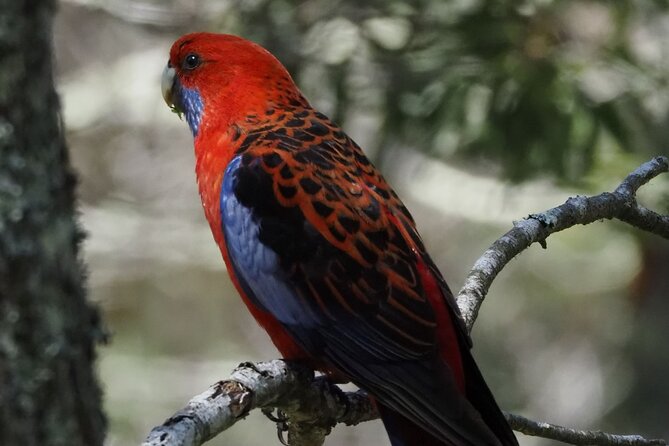
This safari isn’t just about ticking animals off a list. It’s tied to the Great Western Wildlife Corridor, described as a vital habitat link that helps animals move safely between the southern Blue Mountains and Morton National Park.
For you, that means the guide can explain what you’re seeing in a bigger system. When wildlife can travel between habitat areas, you’re more likely to encounter animals moving through the same corridors at predictable times. It also gives context for the way birds behave—parrots flashing through trees and other species reacting to weather, time of day, and food sources.
You’ll also get a lesson on local conservation monitoring—what programs exist and the kind of signs to look for when tracking more elusive wildlife. Even if you never spot an animal directly, learning how to read the landscape helps your day feel active instead of random.
The Afternoon Wildlife Walk: Birds First, Clues Everywhere
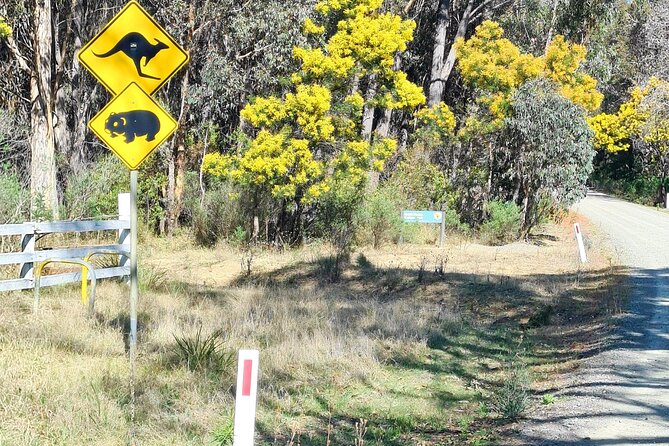
On arrival near Bowral, the day typically starts with a light lunch—the tour notes something like gourmet wraps. After eating, you’ll focus on the local wildlife conservation projects and monitoring programs, plus the practical signs that help you track animals that don’t always show themselves easily.
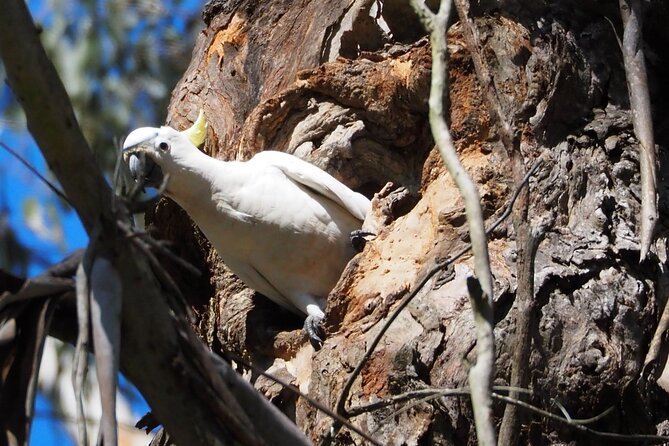
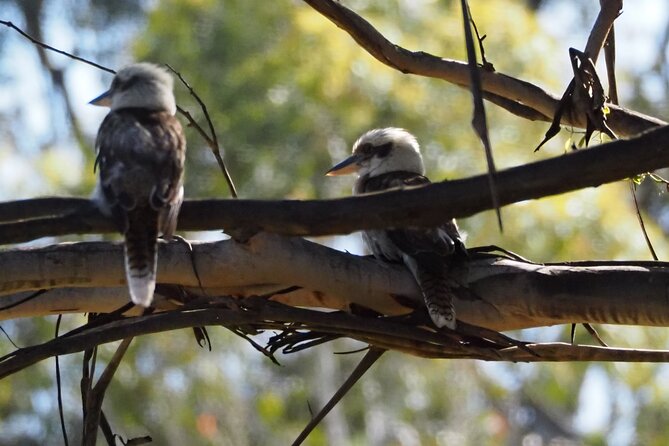
Then comes the main afternoon spotting portion, spread across several locations. This is where binoculars earn their keep. Birds are highlighted from the start—especially kookaburras, which are famous for their calls and bold behavior. You’re also likely to see other birds through the day as you move, stop, and scan.
Here’s the part that’s easy to miss if you only look at the headline species list: wildlife spotting improves when you slow down. This tour does that. The guide leads you to spots where animals are more likely to be active, and you’ll learn how sightings are recorded. That added structure helps you understand what you’re doing—so you’re not just walking around hoping for the best.
Drawback-wise, be ready for uneven ground. The tour includes walking segments where trails can be steep and sometimes slippery. If you want a leisurely stroll with smooth paths, this isn’t the best fit.
Dusk Platypus Search at a Quiet River
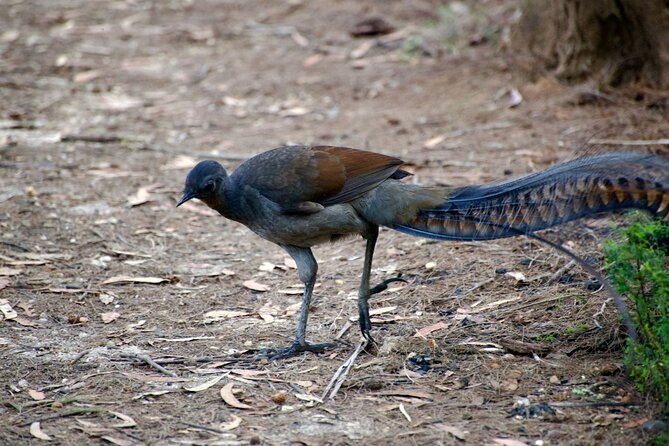
At dusk, the tour shifts gears. You’ll go to a quiet river specifically to search for wild platypus. Platypus are described as rare and elusive, so this is best framed as a careful hunt rather than a guaranteed sighting.
If you do spot one, it can feel like the day’s entire theme comes together—Australia does that sometimes, when the small, hidden things finally decide to show up. Even when platypus are quiet, dusk birdlife and river-edge activity can still keep your senses busy, because you’re already trained to scan carefully.
Practically, dusk is when you’ll feel the time-of-day difference the most. Light changes fast, and you’ll likely be switching between binoculars and plain observation depending on what the guide is seeing. Bring patience. This part of the day is about waiting quietly enough to give wildlife a chance.
Also, remember that the tour is weather-dependent. If conditions aren’t good, the experience can be changed or refunded, depending on the situation.
Dinner at an Old Pub, Then Night Spotlighting for Wombats and More
After the river search, you’ll have dinner at Australia’s oldest licensed inn. The dinner is a classic country pub meal and includes a drink—alcoholic or non-alcoholic. Alcohol is only available for people age 18+, and the tour notes photo ID may be requested.
What I like about this dinner stop is the reset it gives. You’ve spent the afternoon walking and scanning, then you’ve worked through dusk. Eating somewhere with a proper sit-down break makes the night segment feel more doable rather than like a nonstop grind.
After dinner, the real night action begins. The tour uses handheld spotlights and heads out to try for nocturnal or crepuscular species like wombats, possums, and Tawny Frogmouths. This is where the provided gear really matters. Spotlighting isn’t just about shining light—it’s about timing, attention, and moving slowly enough not to spook animals.
If you’ve ever tried night wildlife watching on your own, you’ll appreciate the value of having a guide who knows the rhythms and where animals tend to appear. Past experiences have highlighted guides such as Steve for locating a wide variety of species in one day, and Emma for a world-class approach to spotting. That kind of skill is especially useful after dark, when animals are small, still, and easy to miss.
You can also read our reviews of more tours and experiences in Sydney


Gear, Comfort, and the 1 km-At-A-Time Reality Check
This tour supplies what you need for wildlife watching: binoculars and handheld spotlights, plus wildlife reference guides. You’ll also have air-conditioned transport, which is important since the day runs through late afternoon and into night.
What you should plan for is your own comfort. The tour requests comfortable clothing for walking and closed-toe shoes, with the practical note that conditions in the Southern Highlands can shift. You should check the day’s forecast and dress in layers for changing light and temps.
The walking requirement is specific: you should be able to walk about 1 km (half a mile) at a time, including over steep, rough, and sometimes slippery trails and river banks. Not recommended for limited mobility, so if you have knee, ankle, balance, or mobility challenges, take that line seriously.
The good news for comfort is that the group is capped at 8 travelers, so you’re not stuck behind a long line of people. That smaller size helps with both spotting and pacing.
Price and Value: What $304.83 Covers (and Why It Adds Up)
At $304.83 per person, this isn’t a budget throwaway day. But it’s also not priced like a private car charter. The value comes from what’s included and how the day is structured.
You’re paying for:
- an experienced, engaging guide
- air-conditioned transport to and from the Southern Highlands
- light lunch (the tour lists wraps as an example)
- country pub dinner including a drink
- binoculars, handheld spotlights, and wildlife reference guides
- a guided day designed around wildlife activity windows (afternoon to dusk to night)
When you add up the real cost of transport out of Sydney, meal stops, and gear you’d have to rent or buy on your own, the price starts to make more sense. You’re also getting time in the field, not just a story in a bus seat.
One more value factor: small-group guiding. Max 8 people means the guide can respond when sightings happen, which is crucial for animals that don’t stand around for photos.
Who Should Book This Safari (and who should pass)
This tour is a strong match if you:
- love wildlife and enjoy watching patiently, not just rushing for pictures
- want a day that includes both daytime birds and night spotlighting
- are okay with moderate walking and uneven ground near rivers
- want a guided explanation of the habitat corridor and monitoring behind what you see
It’s not a great match if you need fully flat routes or limited walking. The tour is explicit that it isn’t recommended for limited mobility, and you should plan for steep, rough, and slippery sections.
If you’re traveling as a couple or a small group, the max 8 cap can make the whole day feel smoother and easier to manage, especially during dusk and night.
Also, keep your expectations realistic about platypus. You’ll be searching at dusk for a rare sight. Luck matters, and the best approach is to treat it like a guided hunt, not a guaranteed checklist stop.
Should You Book the Sydney Wildlife Safari?
If you want one day in the Southern Highlands that blends wildlife spotting, conservation education, and the thrill of night spotlighting, I think this is a smart pick. The overall structure—afternoon scanning, dusk river search, then dinner and nocturnal searching—gives you multiple chances at different species, instead of banking everything on a single moment.
Book it if you can handle about 1 km segments on uneven and sometimes slippery ground, and if weather doesn’t scare you off. The experience depends on good conditions, and when the day runs, it’s exactly the kind of Australia-focused outing that gives you more understanding, not just photos.
If you want a totally low-effort, paved-path nature walk with zero uncertainty, you’ll likely feel disappointed. But if you’re game for a real field day with a small group and supplied gear, this safari is the kind of outing you’ll talk about long after you’re back in Sydney.
FAQ
How long is the Sydney Wildlife Safari?
The tour runs for about 10 hours (approx.).
Where is the meeting point and what time does it start?
You meet at the Sydney Harbour Marriott Hotel at Circular Quay (30 Pitt St, Sydney NSW 2000). The start time is 12:00 pm, and the activity returns to the meeting point.
What’s included in the price?
The tour includes an experienced guide, a light lunch, classic country pub dinner with a drink, binoculars, handheld spotlights, wildlife reference guides, and comfortable air-conditioned transport.
How much walking is involved?
You should be able to walk about 1 km (half a mile) at a time, including over steep, rough, and sometimes slippery trails and river banks.
Is alcohol included with dinner?
Dinner includes a drink, and the minimum age to consume alcohol is 18. Photo ID may be requested.
Will we definitely see platypus?
You’ll visit a quiet river at dusk to search for wild platypus, which is described as elusive. It is not guaranteed, since the tour notes it’s a lucky and rare sight.
You Might Also Enjoy



More Wildlife Experiences in Sydney
More Safari Adventures in Sydney
More Tour Reviews in Sydney
- Blue Mountains Small-Group Tour from Sydney with Scenic World,Sydney Zoo & Ferry
★ 5.0 · 3,709 reviews