REVIEW · SYDNEY
From Sydney: Australian Wildlife Safari with Lunch & Dinner
Book on GetYourGuide →Operated by Local Travel Planner · Bookable on GetYourGuide
Wildlife at night beats any zoo lights. This small-group safari drives you from Sydney into the Southern Highlands to spot animals in daylight and then hunt for nocturnal marsupials with red spotlights. You’ll get taught tracking basics too, so you’re not just scanning at random.
I really like the pacing: daylight birding and open-country wildlife, then dusk-to-night searching when the night animals actually move. I also love the hands-on extras that help you keep up, like binoculars, reference guides, and the handheld spotlight setup.
One thing to consider: you’ll walk about 1 km at a time over rough, steep, and sometimes slippery terrain, including river banks. If that’s not your comfort zone, this will feel more like an active hike than a relaxed wildlife bus tour.
In This Review
- Key takeaways before you go
- From Circular Quay to the Southern Highlands wildlife zone
- Daylight wildlife: birds, emus, kangaroos, and how tracking changes what you see
- The bird show you can actually follow
- Emus: bigger than you think
- Kangaroos and wallabies: the best moments are often near the edges
- The platypus question: why late afternoon and still water matter
- Historic pub dinner and why the food choice fits the day
- Night spotting with red spotlights: wombats, possums, and gliders
- What’s included (and what you should still plan for)
- Bring this for comfort and sanity
- Price and value: what $300 buys you in the real world
- Fitness, weather, and the practical reality of walking in the bush
- Who this safari is best for (and who should skip it)
- Should you book the Sydney Wildlife Safari with Lunch and Dinner?
- FAQ
- Where does the tour start?
- How long is the experience?
- How big is the group?
- What wildlife might I see during the day?
- What happens at night?
- Is lunch and dinner included?
- Do I need to walk much?
- What should I bring?
- Is the tour suitable for children?
Key takeaways before you go
- Small group cap of 8 means you’re not lost in a crowd when someone spots movement
- Southern Highlands timing mixes birds and mammals in the late afternoon and again after dark
- Red spotlights at night are purpose-built for nocturnal viewing without blinding everything
- Tracking and conservation stories give you practical ways to find animals’ signs, not just luck
- Lunch plus country pub dinner (with a drink) keeps you fueled through a full 10-hour day
From Circular Quay to the Southern Highlands wildlife zone
Your day starts in central Sydney at the out-front meeting point of the Sydney Harbour Marriott Hotel, at Circular Quay (30 Pitt St). The location is easy to reach by public transport, and it’s an especially handy pickup if you’re already staying near Circular Quay.
After a meet-and-greet with your guide, you get a 90-minute drive into the Southern Highlands. This stretch matters more than you might think. Driving out with your group lets your guide set the context before you ever hit the bush, and it usually means you arrive with a better eye for what you’re looking at. You’ll also start learning the kinds of clues you can spot in the environment—tracks, droppings, feeding signs, and the simple question of where animals choose to move and hide.
You’re traveling in comfortable air-conditioned transport, and the group stays small (up to 8). That’s a big deal on wildlife tours, because the animals don’t arrive on schedule. When someone calls out a sighting, you’ll want to hear it and react quickly. A smaller group makes that realistic.
You can also read our reviews of more tours and experiences in Sydney



Daylight wildlife: birds, emus, kangaroos, and how tracking changes what you see
The tour’s daytime portion is built around the Southern Highlands’ mix of bushland and open country. This is where you’ll usually find the most visible action: birds that won’t sit still, mammals that graze close to cover, and the bigger “you know it when you see it” moments like kangaroos.
Early on, your guide shares why certain species show up in certain areas. That’s more useful than it sounds. Instead of hoping you’ll randomly spot something, you learn to read the habitat. When you understand what birds feed on and where they pause, you can scan smarter. When you understand how grazing animals use edges of bushland, you’re more likely to notice them before they decide to vanish.
The bird show you can actually follow
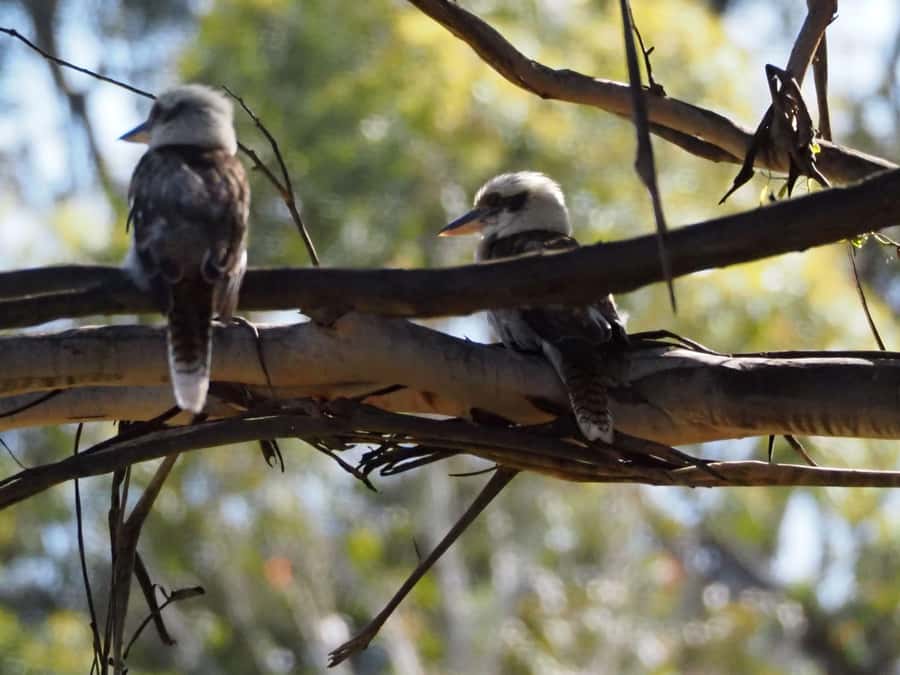
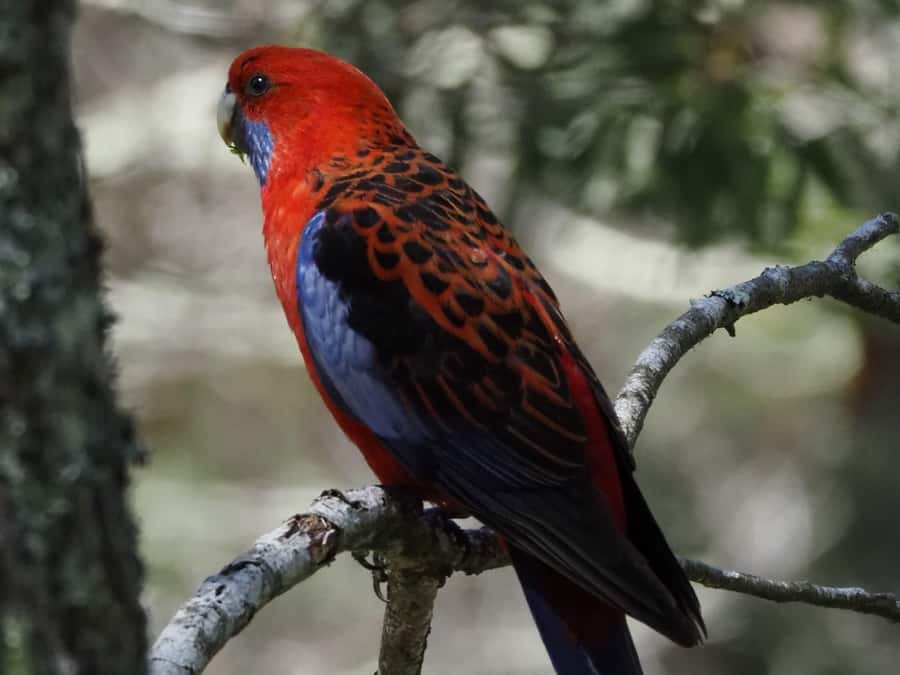
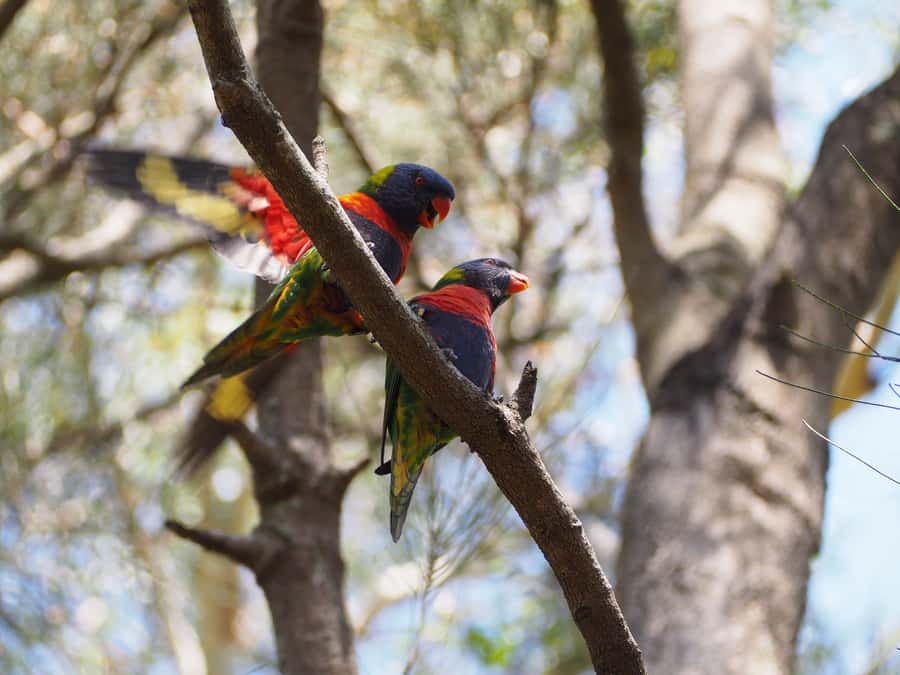
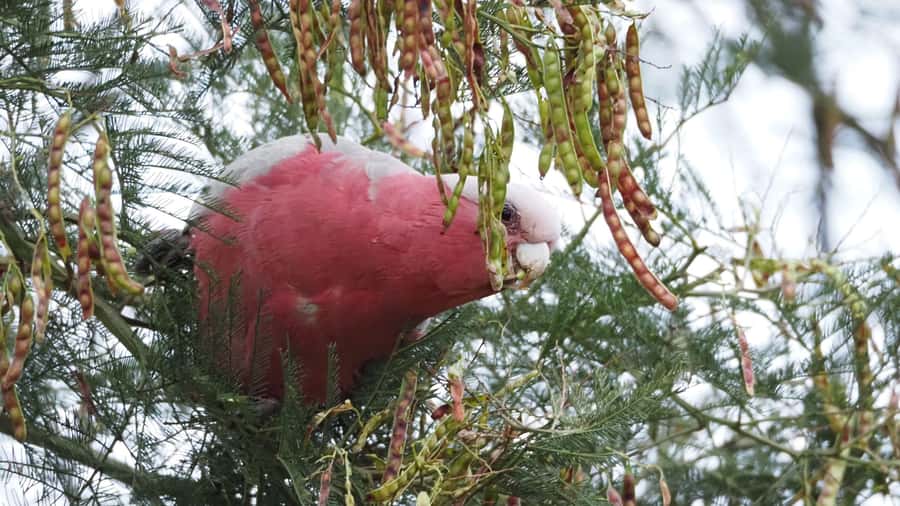
You’ll likely hear kookaburras first. Their loud, laughing calls are one of the best “start here” clues in Australia. Once you’re keyed in to that, you’ll also watch for colourful parrots such as rosellas and cockatoos. The tour specifically calls out flashes of crimson and yellow as these birds fly past, which is exactly the kind of detail that helps you keep your eyes up instead of only staring at the ground.
Emus: bigger than you think
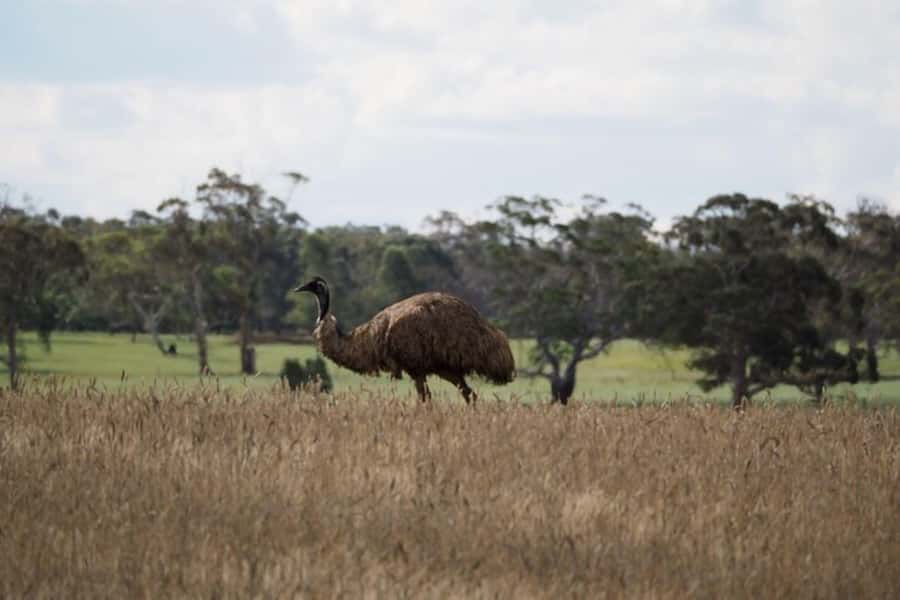
The chance of seeing an emu comes up during the daytime exploring. Emus can be surprisingly hard to pick out at distance, so your guide’s tip is to stay patient and scan with purpose rather than making constant, frantic movements.
Kangaroos and wallabies: the best moments are often near the edges
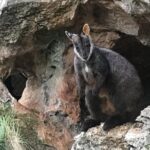
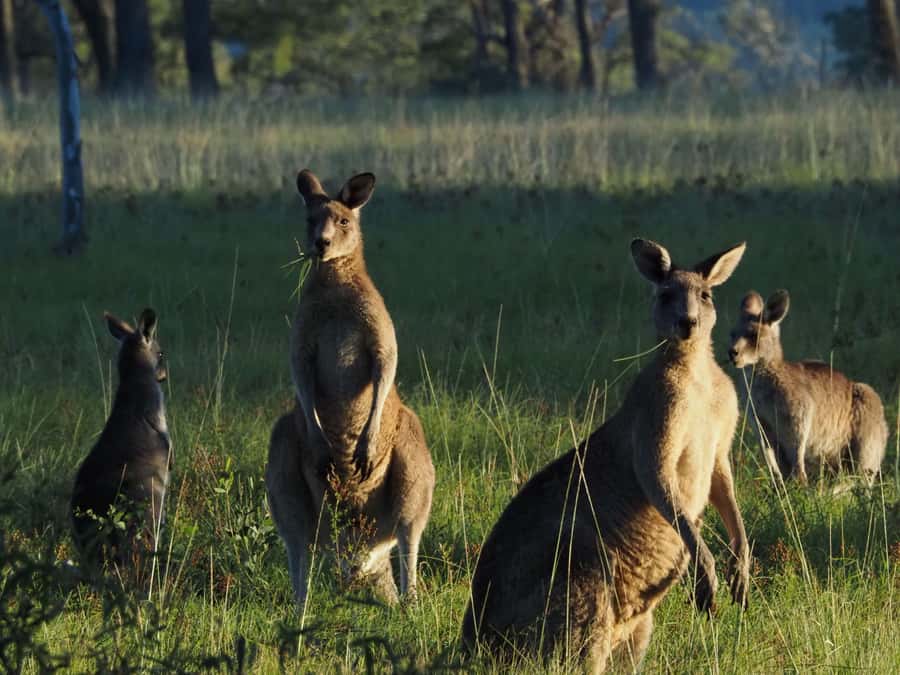
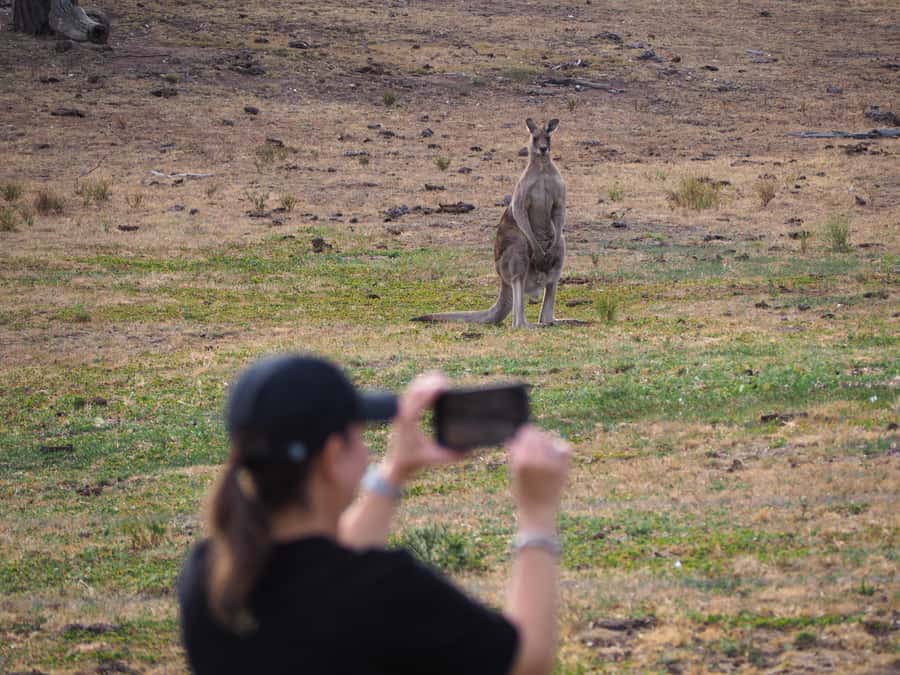
Late in the afternoon, the tour shifts toward classic mammal sightings. This is when you have a strong chance of seeing kangaroos grazing and wallabies darting through undergrowth. The key word here is timing. Many animals feed when the light is right and when they feel they’ve got a clear escape route.
If you’re hoping for photos, this is also when the tour’s structure helps. You’re not forced to sit for long stretches; you’re guided between likely areas. In one set of experiences from recent bookings, the guide’s choice of where to look made it easier to spot animals and set up photos quickly.
You can also read our reviews of more tours and experiences in Sydney


The platypus question: why late afternoon and still water matter
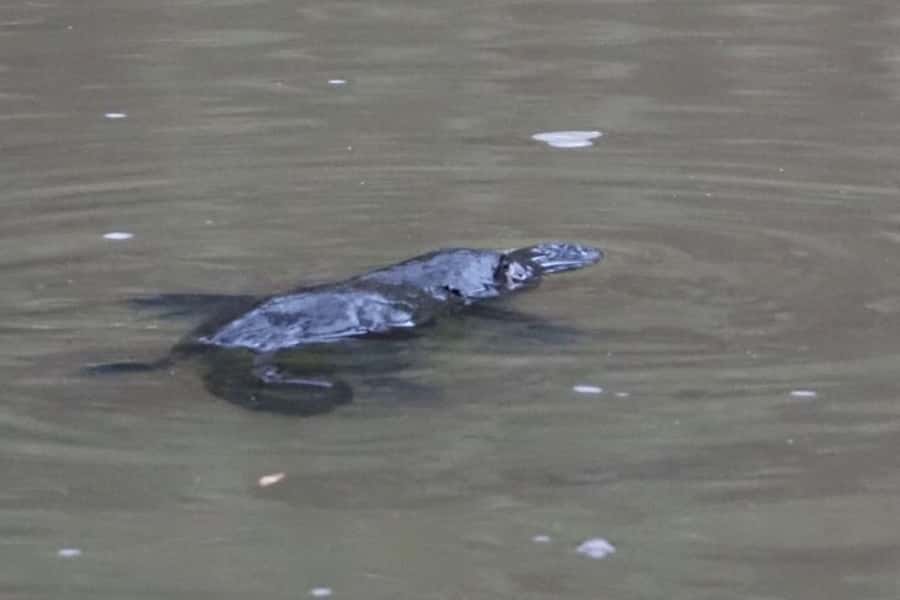
Platypus are always the headline, and the tour builds in the right sort of “if you’re lucky” window. The plan includes a late afternoon chance to spot a platypus feeding in still waters.
Here’s the practical reality: platypus viewing is never guaranteed. What the tour gives you is a better shot by matching time of day with habitat conditions (like still water) and by having a guide who’s looking for the right places and signs.
If you do catch a glimpse, it tends to be quick. That’s why the tour’s approach is worth it. You’re not just wandering. You’re in a controlled route with a guide who’s paying attention to where wildlife tends to show itself.
Also, even when you don’t see a platypus, you may still learn a lot. Knowing what to look for in the water and along the banks changes your wildlife “radar” for the rest of the day.
Historic pub dinner and why the food choice fits the day
You’ll have a light lunch earlier in the day, and then later you’ll get a hearty country-style dinner at a historic country pub. The lunch is described as gourmet wraps plus juice and water.
This matters because a full wildlife day is tiring in a very specific way. It’s not only physical; it’s mental too. You’re scanning, listening, adjusting your expectations, and standing still long enough to spot something small in the brush. A real meal at the right moment helps you stay focused instead of getting grumpy and rushed.
Dinner includes a drink from the bar. Since the minimum age for alcohol consumption is 18, plan to bring your ID if you’re likely to order something. This is one of those small but important details that keeps the evening smooth.
The pub also gives you a natural reset after an active afternoon. You’ll have time to warm up or slow down, depending on weather, before heading back out under the night sky.
Night spotting with red spotlights: wombats, possums, and gliders
When dusk settles, the tour moves into night mode. This is not a casual nighttime walk. You’re heading out armed with special red spotlights, plus the guide and wildlife reference guides.
The red light approach is practical. It’s meant for night viewing so you can spot animals without blasting them with harsh white light. In other words, it’s not just for show. It helps everyone keep a better eye on movement.
The tour’s night target animals include nocturnal marsupials such as wombats and possums, plus gliders. Specifically, it mentions tiny feathertail gliders, and recent guest experiences also mention sugar gliders as a possibility. Either way, gliders and possums tend to be “brief sightings” rather than long stays. Your job is to watch where the guide directs your attention and to stay quiet enough for the animals to keep moving.
A common theme in successful night sightings is patience plus listening. Wombats may amble across moonlit clearings, and possums may feed higher in treetops. That means you’ll need to check both ground level and tree level, not just one.
If you’re a camera person, the best advice is to keep your gear ready before you walk out. At night, you don’t want to be fiddling around every time someone points out movement.
What’s included (and what you should still plan for)
This safari includes a lot of the “hard parts” that make wildlife days easier:
- Friendly, knowledgeable guide
- Light lunch of gourmet wraps, juice, and water
- Pub dinner with a drink from the bar
- Binoculars
- Handheld spotlights
- Wildlife reference guides
- Comfortable air-conditioned transport
That’s a meaningful value bundle for $300 per person. You’re not just paying for transport. You’re paying for guided wildlife searching, the tools that help you see better, and a full day of food that keeps you going.
Still, you’ll want to bring your own comfort items. You can’t borrow good hiking socks or a hat from the tour.
Bring this for comfort and sanity
Pack:
- Hat
- Sunscreen
- Comfortable clothes
- Insect repellent
- Closed-toe shoes
- Reusable water bottle
This is especially important in bush and river areas. Even on cooler evenings, insects can show up, and dry heat can sneak up on you during daytime scanning.
Price and value: what $300 buys you in the real world
At $300 per person for a 10-hour day, it’s not a bargain. It’s also not trying to be. The value here is that wildlife is unpredictable, so you’re paying for structure and expertise: a guided route, small-group searching, and specialized night viewing equipment.
Here’s where it can feel like good value for you:
- You want more than “drive around and hope.” You want guidance on where to look and what signs to notice.
- You care about night animals and want red spotlights plus a plan for where they might appear.
- You like that your food is handled with lunch and dinner included.
Where it might feel overpriced:
- If you’re only comfortable doing easy, flat walks, the terrain requirement may be a deal-breaker for you. This tour expects you to move.
- If your priority is casual sightseeing from a seat, you might feel the time gets spent on spotting and waiting rather than touring big landmarks.
Fitness, weather, and the practical reality of walking in the bush
The tour isn’t described as extreme, but it is physical. You should be able to walk about 1 km at a time, including steep, rough, and sometimes slippery trails and river banks. That means closed-toe shoes aren’t optional. “I’ll just wear sneakers” might work, but only if they have grip and you’re comfortable with uneven ground.
Weather is another factor. The Southern Highlands can change quickly, so you’ll want to check the forecast for your travel day and dress accordingly. Layers are smart. You’ll be outdoors for long stretches during both daylight and night.
If you’re traveling with anyone who gets cold easily, plan for that. Night spotting tends to be more comfortable with a warm outer layer.
Who this safari is best for (and who should skip it)
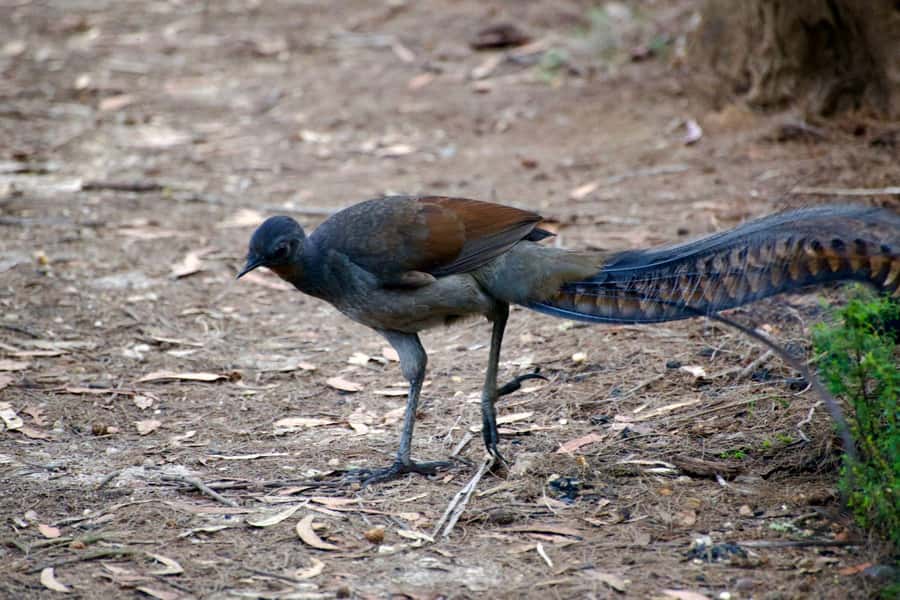
This is a great fit if you want an authentic wildlife experience with real effort behind the scenes. It also suits people who enjoy learning. The tour includes inspiring local conservation stories and the art of wildlife tracking, so you’re not only looking for animals; you’re learning how wildlife actually moves through habitat.
It’s also a good match for photographers. With binoculars, references, and a guide who helps you locate animals, your chances of meaningful shots increase.
You should skip it if:
- You have trouble walking on rough or slippery terrain.
- You’re traveling with children under 12. This one isn’t suitable for them.
- You’re expecting guaranteed platypus sightings. This tour gives you a chance, not a promise.
Should you book the Sydney Wildlife Safari with Lunch and Dinner?
If you’re on the fence, I’d book it if your heart says wildlife first and you’re willing to do some walking for it. The mix of daytime birds and mammals, a late-afternoon push for kangaroos and wallabies, and then a structured night search with red spotlights is exactly the kind of experience that’s hard to replicate on your own.
I’d pass if you want a completely relaxed day with minimal movement, or if you only want sure-thing wildlife. The best part of this safari is the guidance and the tools. The best part of the outdoors is that it can surprise you.
Bottom line: for most adults who can handle short stretches of uneven terrain, this is a strong value in real wildlife time, not just a city day-trip.
FAQ
Where does the tour start?
It meets out the front of the Sydney Harbour Marriott Hotel at Circular Quay, 30 Pitt St, Sydney.
How long is the experience?
The total duration is 10 hours.
How big is the group?
It’s a small group capped at 8 participants.
What wildlife might I see during the day?
You may see kookaburras, rosellas, cockatoos, emu, kangaroos, and wallabies, and there’s a chance of platypus in still waters.
What happens at night?
After dusk, you use handheld red spotlights to look for nocturnal marsupials such as wombats and possums, and also gliders.
Is lunch and dinner included?
Yes. You’ll get a light lunch (gourmet wraps, juice, and water) and a pub dinner with a drink from the bar.
Do I need to walk much?
You should be able to walk about 1 km at a time, including steep, rough, or sometimes slippery trails and river banks.
What should I bring?
Bring a hat, sunscreen, comfortable clothes, insect repellent, closed-toe shoes, and a reusable water bottle.
Is the tour suitable for children?
It is not suitable for children under 12. Also, the minimum age to consume alcohol is 18, and photo ID may be requested.
You Might Also Enjoy

More Lunch Experiences in Sydney

More Dining Experiences in Sydney


More Tour Reviews in Sydney
- Blue Mountains Small-Group Tour from Sydney with Scenic World,Sydney Zoo & Ferry
★ 5.0 · 3,709 reviews