REVIEW · SYDNEY
Sydney Queer Walking Tour
Book on Viator →Operated by Queer Sydney Walking Tour · Bookable on Viator
Sydney’s queer story hides in plain sight. This Sydney queer walking tour follows it street by street, from early traces through reforms and the HIV years, ending at the place the first Mardi Gras kicked off. I especially love how it starts with hidden histories in an everyday landmark, then tightens into the momentum of the 1970s and 1978.
My other big win: the guide style. On my tour, Michael kept everyone focused the whole time, with stories that felt lively instead of lecture-like. One thing to consider: the walk covers serious periods too, so if you want an all-party vibe, you may find the topics a bit heavy on the morning (but it also makes the ending hit harder).
In This Review
- Key highlights before you step out
- Why Sydney’s queer history makes more sense on foot
- Price and what $53.79 buys you (about 2 hours)
- Meeting point near the Law Courts, ending by Taylor Square
- The walk itself: Archibald Fountain to Kinselas Hotel
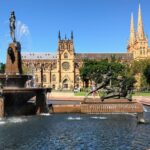
- Stop 1: Archibald Memorial Fountain (hidden histories from colonial times onward)
- Stop 2: Emden Gun at Whitlam Square (the 1970s and media’s role)
- Stop 3: Green Park via Darlinghurst backstreets (HIV years and a coffee break)
- Stop 4: Kinselas Hotel at Taylor Square (first Mardi Gras, June 1978, and why it still matters)
- What you’ll actually learn (beyond dates and landmarks)
- Who should take this Sydney queer walking tour
- Tips so you get the most from the route
- Should you book? My practical take
- FAQ
- How long is the Sydney Queer Walking Tour?
- What does the tour cost?
- How many stops are included?
- Where does the tour start and end?
- Is there a mobile ticket?
- Can I cancel and get a full refund?
Key highlights before you step out
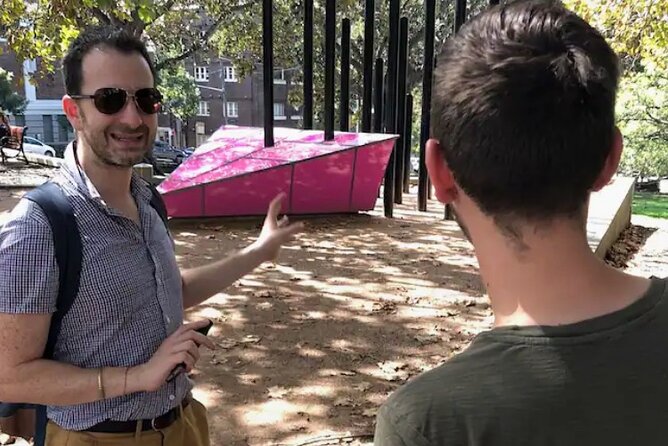
- Four real stops across Sydney: Archibald Memorial Fountain, Emden Gun at Whitlam Square, Green Park, and Kinselas Hotel
- A timeline you can actually see: Indigenous perspectives on diverse identities, colonial to early 20th century, then 1970s onward
- Mardi Gras 1978 at the right spot: the June 1978 story is tied directly to Taylor Square
- Small group size (max 12): easier questions, more attention from the guide
- Coffee/tea built into the route: a simple break while you move through Darlinghurst backstreets
Why Sydney’s queer history makes more sense on foot
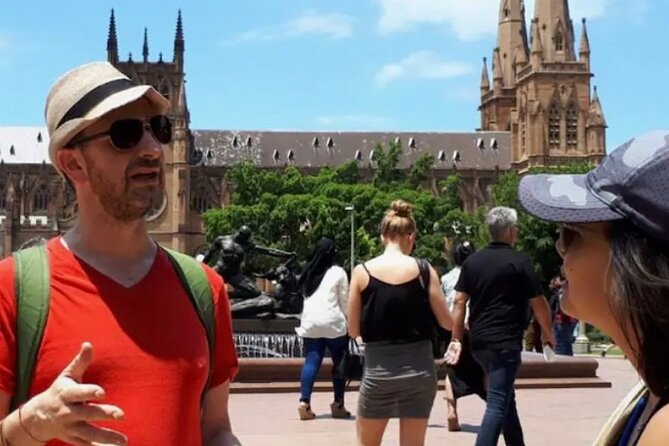
Sydney’s queer past isn’t stuck in one museum. It’s scattered in places you already walk past: fountains, monuments, streets where the city keeps changing names and meanings. That’s why I like this format. When you’re standing at the Archibald Memorial Fountain or looking toward Taylor Square, the story lands in your body, not just in your phone notes.
This tour also does something practical with the history. Instead of only focusing on the parade, it frames queer life as a long arc: early traces, colonial-era circumstances, and the early 20th century, then the big social shifts that started to show up in public life from the 1970s onward. It helps you connect the dots between protest, media attention, community joy, and public health realities like the HIV epidemic—without turning any of it into trivia.
And yes, the route is built for a real morning stroll. You’ll move through central Sydney areas connected to queer Sydney, including Darlinghurst backstreets, where the city feels more intimate than the postcard views.
You can also read our reviews of more walking tours in Sydney

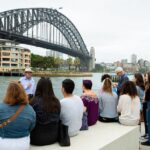
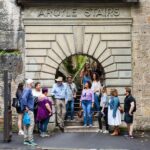
Price and what $53.79 buys you (about 2 hours)
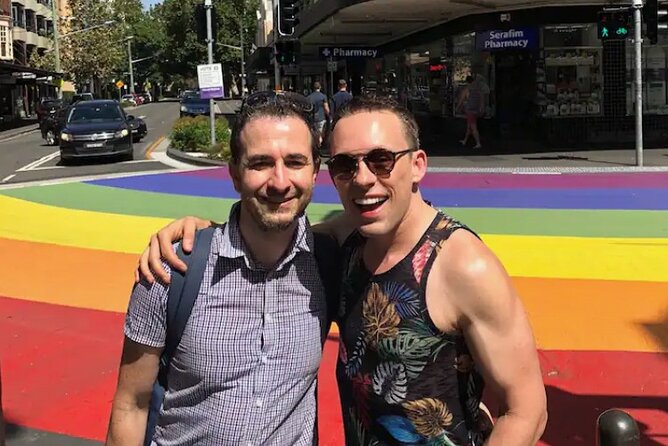
The price is $53.79 per person for about 2 hours. For Sydney, that’s fairly reasonable when you factor in the guided storytelling, four scheduled stops, and the fact that the stops themselves don’t require paid entry. The itinerary marks admissions for the stops as free, so you’re not paying extra just to stand near a fountain or monument.
You’re also paying for interpretation. At each place, you’re not just seeing an object—you’re hearing why it matters to queer history and how the city responded over time. That is where a guided walking tour can be better value than trying to piece the timeline together on your own.
One more value detail: the tour uses a mobile ticket, so you don’t need to hunt for printouts. Small things like that matter when you’re juggling trains, coffee, and crossing streets.
Meeting point near the Law Courts, ending by Taylor Square
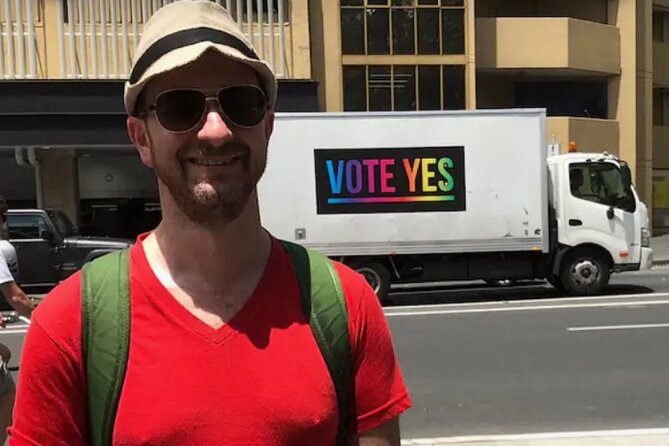
The tour starts at Law Courts Library, 184 Phillip St, Sydney NSW 2000 and runs from 9:30 am. It ends at Sydney Sustainable Markets, Taylor Square (Oxford Street at the intersection with Bourke Street), Darlinghurst NSW 2010.
This end point is a smart choice. You finish in the middle of the action around Taylor Square, so you can roll straight into lunch plans or keep exploring nearby streets without backtracking.
It also helps that the start and finish are close to public transport. If you’re arriving from elsewhere in Sydney, you won’t feel trapped in a car-only corner. And with a maximum group size of 12 travelers, it stays manageable: fewer people means less time waiting for the whole group to gather and more time hearing the details.
The walk itself: Archibald Fountain to Kinselas Hotel
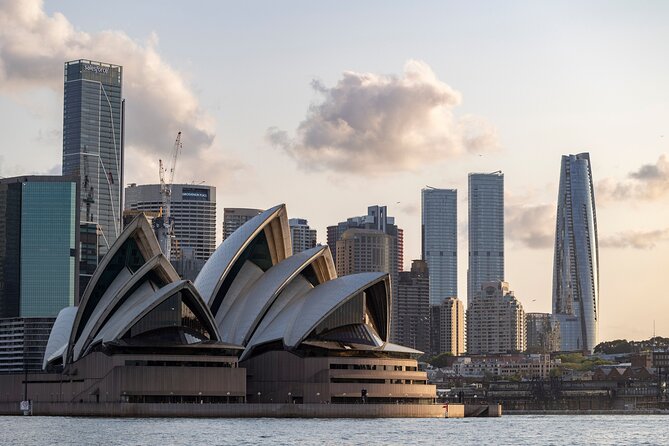
You’ll cover four stops, each functioning like a chapter break. The pacing is built around short segments—about 30 minutes per stop—so you’re not stuck listening for hours in one place. You’ll also get that coffee/tea moment during the Darlinghurst section, which is a practical reset before the heavier material around HIV and activism.
Stop 1: Archibald Memorial Fountain (hidden histories from colonial times onward)
You begin at the Archibald Memorial Fountain, and the guide uses it as a symbol for the way queer history can be present yet hard to see. This is a strong opening because it sets expectations: you’re going to learn things that aren’t always obvious from the street view.
From there, the tour frames parts of the queer story in broader terms, including what’s known about Indigenous Australia’s view on diverse sexual orientation and gender, plus the circumstances of queer forebears during the colonial period and into the early 20th century. Even if you think you know the standard Western timeline, the framing here broadens what “history” can include—especially when the story is often documented unevenly.
What I like at this first stop is the groundwork. You’re not just hearing names and dates. You’re learning how queer visibility changes depending on power, documentation, and public space.
Possible drawback: because the start is laying context, you may want to arrive on time and keep your listening mode switched on early. If you show up late, you can miss the thread that makes later stops click.
- Blue Mountains Small-Group Tour from Sydney with Scenic World,Sydney Zoo & Ferry
★ 5.0 · 3,709 reviews
Stop 2: Emden Gun at Whitlam Square (the 1970s and media’s role)
Next, you head to Whitlam Square, where the route focuses on the Emden Gun. This stop turns toward the 1970s and the beginning of the gay rights era, built around claims for fairness and equality.
A key theme here is the role of media. That matters because media can spotlight injustice, amplify organizing, or shape public reactions. In practical terms, the guide helps you understand how change starts to appear in public—how the story goes from community spaces into mainstream attention.
This stop also feels like a bridge. The tour moves from longer-term traces (previous chapter) into the years when activism and public debate accelerate. By the time you reach this point, you can feel the momentum building.
If you’re someone who likes cause-and-effect stories, this stop will be a highlight. If you prefer only intimate community detail, you might still enjoy it—but treat it as part of the broader context, not the whole story.
Stop 3: Green Park via Darlinghurst backstreets (HIV years and a coffee break)
From Whitlam Square, the route winds through backstreets of Darlinghurst. This is where the walk feels more local than civic. You’re moving through lanes and streets that don’t feel like the biggest event venues—exactly the kind of space where daily life, community networks, and organizing often happen.
There’s also a coffee/tea stop along the way at a cute local café. I’m a big fan of this built-in break because it’s not tacked on at the end when everyone is tired. It gives you a reset before the tour reaches one of the most intense parts: how Sydney handled the HIV epidemic.
At this stop, the tour’s value comes from connecting the public narrative to real community experience. The guide doesn’t just name the crisis; the tour places it within a larger period of upheaval, protest, and reform. That helps you understand why parts of queer culture during and after these years are shaped by both grief and survival—plus the desire to keep living loudly anyway.
Practical note: this portion includes walking through residential-style streets. Wear comfy shoes. It’s not about miles; it’s about footing and staying relaxed.
Stop 4: Kinselas Hotel at Taylor Square (first Mardi Gras, June 1978, and why it still matters)
The final stop is the Kinselas Hotel at Taylor Square, the last stop on the walk. Here, the guide focuses on what happened in June 1978 at the first Mardi Gras at this very spot, and why that moment still calls to queer Sydney.
This ending is effective because it doesn’t treat Mardi Gras as a single event. The tour links it to decades of protest, partying, and dealing with the HIV epidemic, showing how joy and activism often travel together. When you finish at Taylor Square, you’re not just thinking about a parade. You’re thinking about why people took to the streets, why it was risky, why media attention mattered, and why the community kept pushing.
You’ll also get a sense of how the celebration has changed over time, and how the meaning stays rooted even when the city’s look and sound shift around it.
If you’re a first-timer to Sydney queer history, this ending helps you understand that Mardi Gras isn’t only spectacle—it’s a public marker of how far a community had to fight for visibility.
What you’ll actually learn (beyond dates and landmarks)
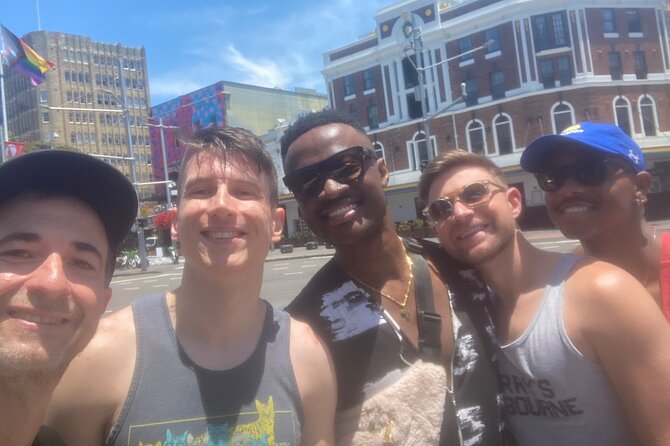
This tour is built around the idea that queer history is often hidden—not because it doesn’t exist, but because it hasn’t always been recorded, centered, or protected. That’s why the story starts with context about what we know and how it’s understood, then moves into periods where queer life is forced into the open.
From a value standpoint, the best part is the blend of themes:
- how identity and diversity were viewed and expressed across time
- how queer people navigated colonial and early modern constraints
- how the 1970s sparked major reforms that burst into mainstream public life
- how media shaped reactions to gay rights claims
- how HIV changed the stakes and reshaped community life and activism
- how Mardi Gras in 1978 became a public turning point
It’s also a good tour for “I need the big picture” travelers who still want real place-based storytelling. Instead of jumping straight into parade culture, it builds the background so the ending isn’t just a highlight reel.
Who should take this Sydney queer walking tour
I think this tour fits best if you’re:
- into history you can walk through, not just read about
- curious about why Mardi Gras became what it is
- open to learning about difficult periods, including HIV-related years
- the type who likes asking questions and chatting as you go (the small group size helps)
It may not feel like the best match if you want a tour that stays purely celebratory. The guiding tone covers protest and public health realities, not only upbeat scenes. That’s not a flaw—it’s just the honest balance of the story.
Tips so you get the most from the route
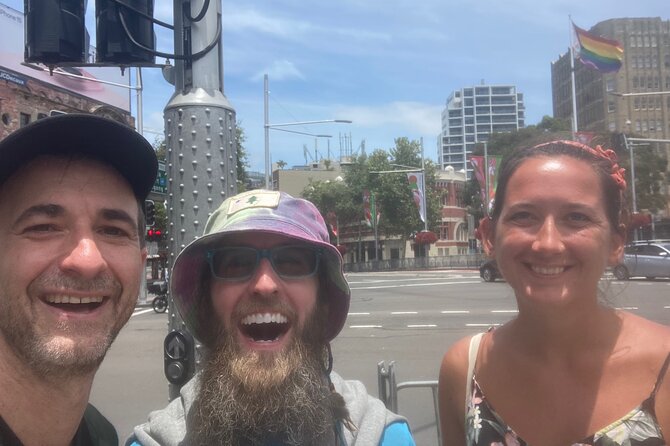
- Keep your shoes comfortable. You’ll be out long enough to notice pavement and curb cuts.
- Plan your morning so you can start fresh at 9:30 am. Early context matters on this one.
- Bring a light layer if you run cold easily; Sydney mornings can shift.
- If you care about learning, use the coffee/tea break to ask your guide what surprised them most about Sydney’s queer story.
- If you’re visiting during Mardi Gras season, this tour can give you the backstory that makes the parade feel earned, not random.
Should you book? My practical take
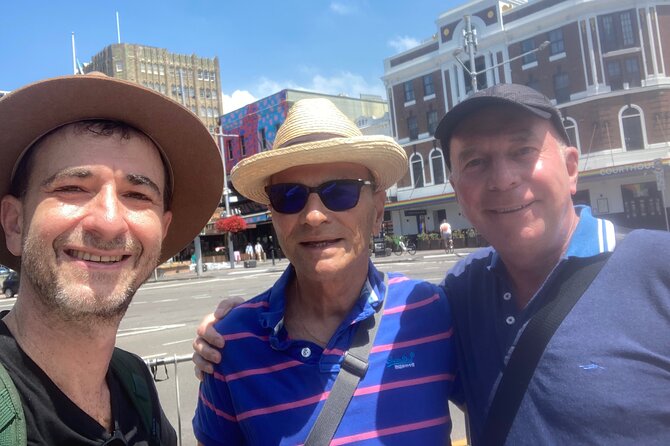
If you want a Sydney queer walking tour that connects place, protest, and lived experience, this is a strong pick. The biggest reasons are simple: it’s small-group, it covers multiple eras (not just 1978 and nightlife), and the guide approach—Michael’s engaging style—keeps the pace human and easy to follow.
At $53.79 for about two hours, you’re paying for guided interpretation of important sites. And because the group max is 12, you’ll feel more like you’re walking with a knowledgeable local than watching a big production.
One final nudge: since it has 5+ bookings last month, it’s getting attention. If your schedule is tight, book ahead so you don’t end up choosing a backup time.
FAQ
How long is the Sydney Queer Walking Tour?
It runs for about 2 hours.
What does the tour cost?
The price is $53.79 per person.
How many stops are included?
The route has 4 stops: Archibald Memorial Fountain, Emden Gun (Whitlam Square), Green Park, and Kinselas Hotel.
Where does the tour start and end?
It starts at Law Courts Library, 184 Phillip St, Sydney NSW 2000 and ends at Sydney Sustainable Markets, Taylor Square (Oxford Street at the intersection with Bourke Street), Darlinghurst NSW 2010.
Is there a mobile ticket?
Yes, you’ll use a mobile ticket.
Can I cancel and get a full refund?
Yes. You can cancel up to 24 hours before the experience start time for a full refund.
You Might Also Enjoy



More Walking Tours in Sydney
More Tours in Sydney
- Blue Mountains Small-Group Tour from Sydney with Scenic World,Sydney Zoo & Ferry
★ 5.0 · 3,709 reviews

More Tour Reviews in Sydney
- Blue Mountains Small-Group Tour from Sydney with Scenic World,Sydney Zoo & Ferry
★ 5.0 · 3,709 reviews