
REVIEW · SYDNEY
Sydney: Australian Museum RELICS Exhibition Entry Ticket
Book on GetYourGuide →Operated by Australian Museum · Bookable on GetYourGuide
Tiny LEGO worlds live inside museum relics. At the Australian Museum in Sydney, RELICS: A New World Rises mixes a 2130 story with nostalgia, turning familiar objects into minifigure cities you can actually walk through.
I love the way 14 separate LEGO-built scenes connect to real, everyday “relic” items from the past. I also like that it is not just viewing—there’s an interactive build space so you can make and display your own creations.
One thing to plan for: it can get crowded and loud, especially during school holidays, so build in extra time and keep expectations flexible.
In This Review
- Key things to know before you go
- RELICS at the Australian Museum: what the 2130 story feels like
- Your route through 14 LEGO-built worlds made from real relics
- A practical note on flow (and why crowds matter)
- Interactive build space: the part that makes it feel worth the ticket
- The scavenger hunt for kids and adults
- Free audio description guide: how to use it without slowing yourself down
- Photos, pacing, and what to bring in Sydney
- LEGO Masters creators: why their choices feel tight
- Value for families and LEGO fans: when it’s a great use of your time
- Should you book RELICS: A New World Rises in Sydney?
- FAQ
- Where is the RELICS exhibition located?
- How long is the ticket valid?
- Who created the exhibition?
- Is there an audio description option?
- Is the exhibition wheelchair accessible?
- Is it suitable for families and children?
- Can I take photos inside the exhibition?
- Is there free cancellation?
Key things to know before you go
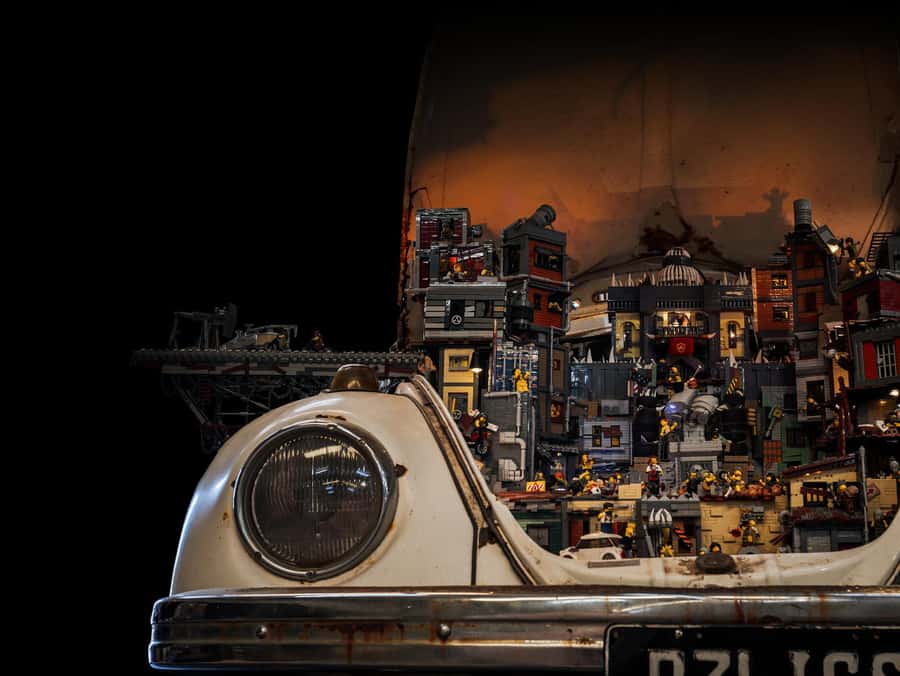
- 14 LEGO-built displays paired with vintage objects, so you get both museum detail and brick-world storytelling.
- Jackson Harvey and Alex Towler (LEGO Masters winners) are behind the creation, which shows in the tight design and clever ideas.
- Interactive build space lets you create something, not just look at the finished product.
- Scavenger hunt comes in different versions for kids and adults, so it’s actually worth doing.
- Free audio description guide is accessible, but you must bring your own device and headphones.
- Step-free access and wheelchair friendliness means it works better for mobility needs and prams than many pop-up exhibits.
RELICS at the Australian Museum: what the 2130 story feels like
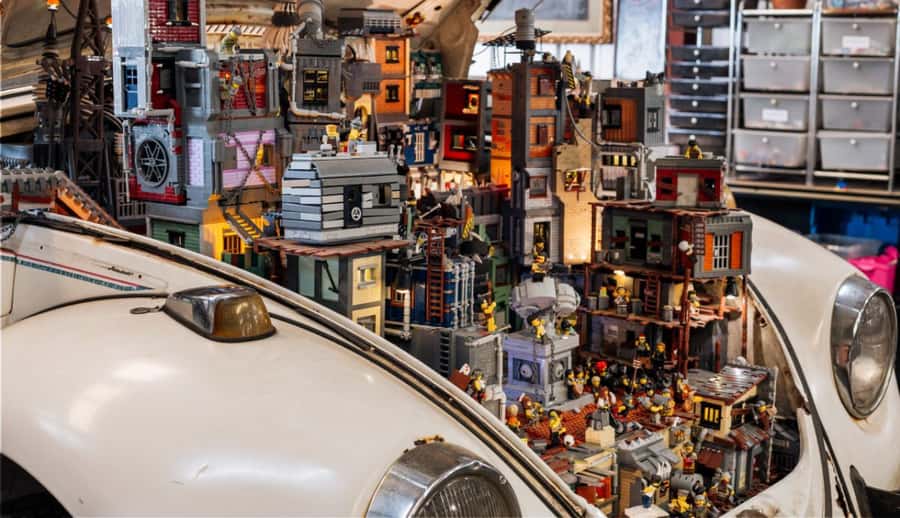
This is a museum exhibition with a LEGO-brick brain and a sci-fi heart. The setup is year 2130, after humans have left Earth behind. In their place, tiny LEGO civilizations have moved into forgotten objects—so instead of glass cases only, you get miniature worlds built into everyday relics.
The clever part is how the story stays playful. There are themes of resource depletion and humans moving on, but the exhibit frames it like a friendly future fable. Kids can focus on characters, colors, and the miniature settings. Adults can enjoy the behind-the-scenes feeling of how creators build a world from small details.
If you like exhibitions where you are doing things with your eyes—spotting, comparing, hunting for clues—this one fits. You’re not rushing through a single storyline. You’re wandering across multiple scenes, each with its own mood.
You can also read our reviews of more tours and experiences in Sydney


Your route through 14 LEGO-built worlds made from real relics
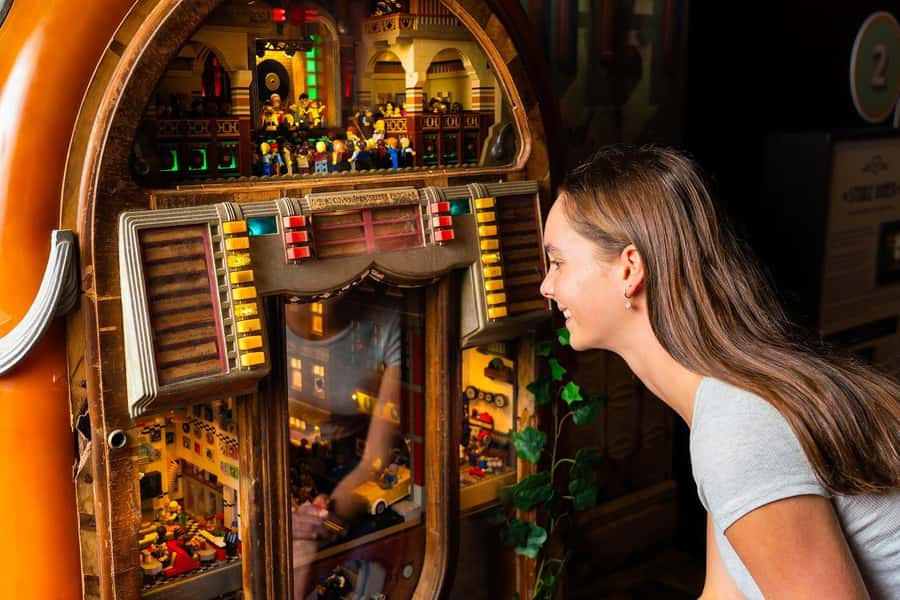
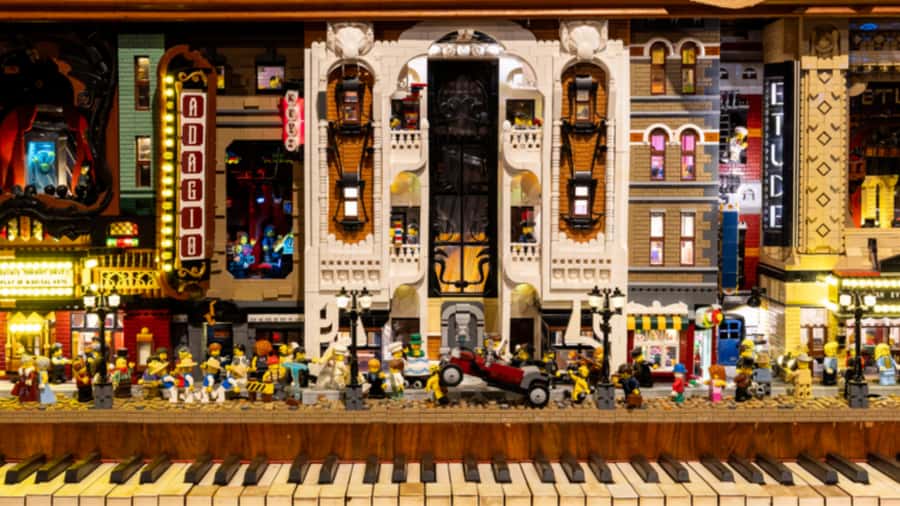
The core experience is a set of 14 displays that blend vintage objects with LEGO cities and characters. You’ll see familiar “relic” items reimagined as habitats—things like vintage radios and pianos, plus arcade machines and suitcases. Each scene is like a little diorama with its own logic.
I like that the exhibition doesn’t ask you to guess the point. It gives you enough context to understand the twist: the object is the container, and the LEGO world is what grew inside it. That makes the exhibit easier for families. Younger kids can follow the visuals without needing a long explanation.
For adults, the payoff is in the details. You’ll start noticing how the builders mimic textures and functions. Buttons look like buttons. Shapes suggest purpose. And because each display connects to a different relic, you naturally compare how the world changes from one object to the next. It turns museum looking into active looking.
A practical note on flow (and why crowds matter)
There’s plenty to see, but the real timing challenge is how popular it is on the day you go. During busy periods, you may find people clustering right in front of the scenes. That can mean more waiting to get a clear view, and a higher noise level. If you want quiet for photo time or slow reading, go earlier in the day if you can.
Interactive build space: the part that makes it feel worth the ticket
The exhibition includes an interactive build area where you can create your own LEGO creations and display them. That changes the vibe in a big way. Instead of leaving with only photos, you leave with something you built.
This is the kind of feature that helps different ages at once. Kids get immediate hands-on fun. Adults often like it too, because it turns the exhibit from passive watching into participation. You might catch yourself copying a technique you noticed in the displays, like how pieces are arranged to make tiny architecture feel real.
Even if you’re not a big LEGO person, this area is useful. It gives you a mental reset halfway through the galleries. And it helps you move through the exhibit faster without feeling like you’re skipping.
The scavenger hunt for kids and adults
You’ll also find a custom scavenger hunt with different versions for children and adults. The idea is simple: you look for things in the scenes, and the search turns the exhibition into a game.
Why it works: scavenger hunts stop you from treating the displays like static art. You start looking for specific clues—details you might otherwise overlook. For kids, that structure makes the visit feel shorter and more fun. For adults, it gives a reason to re-check areas and spot hidden elements.
If you’re traveling with mixed ages, this is a win. You can do one hunt together, then split for the age-appropriate version. Either way, it keeps everyone engaged instead of doing the classic parent-and-kid negotiation mid-exhibit.
You can also read our reviews of more museum experiences in Sydney






Free audio description guide: how to use it without slowing yourself down
One of the best accessible touches here is a FREE audio description guide. This matters because it adds more than “extra information.” It helps you understand what you’re looking at, especially in scenes where tiny elements and spatial details do a lot of the storytelling.
Plan to use it like a tool, not an obstacle. Since you need to bring your own device and headphones, make sure your phone or tablet is charged and your audio setup works before you walk in. If you prefer, you can also use it in short bursts—turn it on for a section, then off for a while so you keep your own pace.
This approach is also great for families. Kids can listen, and parents can guide without needing to explain every detail from scratch.
Photos, pacing, and what to bring in Sydney
The practical stuff you’ll want handy:
- Comfortable shoes (you’ll be walking and standing for long stretches)
- A camera (and/or your phone)
- A charged smartphone
On photography: personal use photography is typically allowed in most spaces, but you should check on arrival for any restrictions. That’s the safest move because policies can change based on exhibitions and crowd flow.
Pacing is where Sydney can surprise you. On school holiday days, you may run into heavier foot traffic. One helpful strategy is to think in “passes.” Do one pass for the main scenes. Then do a second pass through your favorites when you’re less crowded around you. It’s also when audio description can help you slow down in the right places.
One more tip: if you’re using a wheelchair or traveling with a pram, you’re in good shape. The exhibition is wheelchair accessible, and step-free access plus accessible facilities are available.
LEGO Masters creators: why their choices feel tight
The exhibition is created by LEGO® Masters winners Jackson Harvey and Alex Towler. That matters, because the show feels designed rather than assembled. The mini-cities have clear visual rules, and the connection between relic object and brick world is consistent.
In a lot of LEGO displays, you can tell the builder made something cool and called it a day. Here, you get a sense of worldbuilding craft: character areas, scene logic, and details that reward repeat looking. The scavenger hunt makes that even clearer—you’re meant to find things, not just admire them.
If you’re a fan of LEGO storytelling, you’ll likely notice how the builders create “roles” for objects. A radio becomes more than a prop. It becomes a landscape with a life inside it.
Value for families and LEGO fans: when it’s a great use of your time
This is a one-day ticket, and it works best when you treat it as a full exhibition visit, not a quick stop. The value is strongest if you’ll actually do the interactive build space and the scavenger hunt. Those parts turn the ticket from entertainment into an activity you take home.
For families, it’s also a strong choice because the content is age-friendly in a grounded way. There’s a future Earth premise, plus resource depletion themes, but they’re presented in a playful manner that keeps attention on story and objects.
If your group includes at least one LEGO fan, you’ll probably have a good time. If nobody in your group cares much about LEGO, you can still enjoy it as a museum-style creativity exhibit. But you’ll get less from the “build and find” components, so plan accordingly.
The only real “value risk” is the crowd factor. If you hate noise or close quarters, go at a calmer time. Otherwise, you may spend more energy managing space than enjoying details.
Should you book RELICS: A New World Rises in Sydney?
Book it if you want a kid-friendly museum day with actual hands-on time. The combo of 14 built displays, a scavenger hunt, and the interactive build space gives you more than “look and leave.”
I’d also book it if you like worldbuilding and small details. The relic-to-city concept is fun, and the LEGO Masters touch shows in the layout and storytelling logic.
Skip or postpone only if you know crowds and noise ruin your visit. If your timing is flexible, choose a less busy day, and you’ll get more calm viewing, better photo time, and less standing shoulder-to-shoulder.
FAQ
Where is the RELICS exhibition located?
It’s at the Australian Museum in Sydney, New South Wales, Australia.
How long is the ticket valid?
The entry ticket is valid for 1 day.
Who created the exhibition?
It was created by LEGO Masters winners Jackson Harvey and Alex Towler.
Is there an audio description option?
Yes. There is a free accessible audio description guide. You need to bring your own device and headphones.
Is the exhibition wheelchair accessible?
Yes, it’s wheelchair accessible, with step-free access and accessible facilities.
Is it suitable for families and children?
Yes. It’s suitable for families and children, and the scavenger hunt has versions for children and adults. The future Earth themes are presented in a playful, accessible way.
Can I take photos inside the exhibition?
Photography for personal use is typically allowed in most exhibition spaces, but you should check on arrival for any restrictions.
Is there free cancellation?
Yes. You can cancel up to 24 hours in advance for a full refund.
You Might Also Enjoy




More Museum Experiences in Sydney
More Tickets in Sydney



More Tour Reviews in Sydney
- Blue Mountains Small-Group Tour from Sydney with Scenic World,Sydney Zoo & Ferry
★ 5.0 · 3,709 reviews