REVIEW · SYDNEY
Australian National Maritime Museum Entry Ticket – Holiday Ticket
Book on Viator →Operated by Australian National Maritime Museum · Bookable on Viator
A trip to sea history starts at Darling Harbour. The Australian National Maritime Museum is a big, hands-on Sydney stop where you can tour real vessels or replica ships, then switch back to galleries about Indigenous maritime life, explorers, and Australia at sea (HMAS Onslow and the Captain Cook replica are big draws).
I like how you can tailor your visit: go all-in with the Big Ticket for access to the docks, or choose special exhibitions only. I also love the way the museum mixes stories and objects with practical, walk-on-the-ship experiences for different ages.
One caution: the outdoor ship tours depend on what’s available that day, and last boarding times can be early—so plan your day with timing in mind.
In This Review
- Key things to know before you go
- Two ticket choices at Sydney’s maritime museum: Big Ticket or exhibitions only
- Indoor galleries you can pace: Indigenous maritime life and Australia’s explorers
- Action Stations and hands-on learning: why this place works for families
- Outdoor docks: how the ship tours change your whole experience
- HMAS Onslow (submarine): plan for tight quarters and early timing
- HMAS Vampire (naval big gun ship): a strong mid-day anchor
- Captain Cook’s Endeavour replica: the hands-on part of exploration history
- The James Craig tall ship: restoration and sea-worthiness matter
- Timing and pacing: last boarding cut-offs and how to avoid a rushed day
- Views, breaks, and where to eat along Darling Harbour
- Price and value: what $25.10 really buys in the real world
- Who should book this museum ticket (and who might not love it)
- Should you book the Australian National Maritime Museum Holiday Ticket?
- FAQ
- What ticket options are available?
- How long should I plan to spend at the museum?
- Which ships can I tour at the docks?
- Is there anything for children?
- What are the opening hours?
- Can I get a refund if my plans change?
Key things to know before you go
- Two ticket types: Big Ticket for all access, or special exhibitions only if you want a tighter visit
- Ship boarding on the docks: you may be able to tour vessels like HMAS Onslow, HMAS Vampire, and the Endeavour replica
- Captain Cook’s Endeavour replica: a full-size, hands-on way to picture 18th-century tall-ship life
- 19th-century sail ship James Craig: a sea-worthy tall ship that takes years to restore
- Kids get their own areas: interactive kids activities plus deck-style fun
- Best value when you have time: one to four hours is the range, but you can easily stretch it if ships are running tours
Two ticket choices at Sydney’s maritime museum: Big Ticket or exhibitions only
This museum is set up so you can match your time and energy level. With the Big Ticket, you get access to seasonal and permanent exhibits and the dock area where historic ships are berthed (and, depending on the day, tourable). If you only pick the special exhibitions option, you’re limiting your time to the indoor museum experience.
At $25.10 per person, the value hinges on what you care about most. If you want to walk the decks of navy and sailing vessels, the Big Ticket is the better deal because you’re paying for access to both exhibits and the ships themselves. If you’re mainly there for the photo-focused and rotating displays, special exhibitions only can make sense, but you’ll miss the real magic that happens outdoors.
I’d also think about your group. Families often do best with the Big Ticket because kids tend to burn energy faster in the ship areas and interactive galleries, while adults can choose how long to linger at each vessel or photo gallery.
You can also read our reviews of more tours and experiences in Sydney



Indoor galleries you can pace: Indigenous maritime life and Australia’s explorers

Even before you reach the docks, the museum’s indoor collection does a lot of heavy lifting. You’ll find permanent galleries that focus on Australia’s historic connection to the ocean, including Aboriginal and Torres Strait Islander maritime customs and stories tied to the sea. You’ll also see exhibits about European explorers in Australia, including Captain James Cook.
The museum’s layout also helps you build your own route. You’re not stuck doing every room in order. If you’re more into early exploration, you can spend longer with Cook-related content and tall-ship themes. If you’re more into defense and navigation, you can shift your time toward naval defense-force material, sailing, and surfing-related exhibits.
One standout for “wow-per-minute” is the way the museum connects objects and stories to modern interests. The exhibit framing includes everything from traditional maritime cultures to well-known sailing and beach-world themes, so it doesn’t feel like you’re stuck only in the distant past.
If you choose the special exhibitions ticket, you should expect at least one rotating highlight. One named example is The Beach & Ocean Photographer of the Year, which is exactly the kind of show that pairs well with the rest of the museum: the photos make you look closer, then the ship areas make you understand the real-world setting behind them.
Action Stations and hands-on learning: why this place works for families
Not every museum is good with kids. This one is designed for them. If your ticket includes it, you’ll find Action Stations, plus kids-focused areas like Kids on Deck.
What I like about these sections is that they aren’t just decoration for little attention spans. They give kids something physical to do, so the visit doesn’t turn into an adult-led “please stand still” exercise. It also helps you pace your own day: you can spend time where you want, then redirect the kids when you need a reset.
There’s also a practical advantage here. When you’re visiting a ship museum, you’re mixing indoor and outdoor time. Kids tend to get restless in long transitions. Interactive spaces inside give you a place to slow down without feeling like you’re wasting money or time.
Outdoor docks: how the ship tours change your whole experience
This is where the museum earns its reputation. The outdoor docks are where you can see the in-water fleets and, depending on availability, tour historic vessels.
The key idea for your planning: you’re not guaranteed every ship every day. On the days when the docks are running tours, you may find one or more of these available:
- HMAS Onslow, a Royal Australian Navy submarine
- HMAS Vampire, a naval ship known as the last remaining big gun ship in Australia
- The James Craig, a 19th-century tall ship barque that’s sea-worthy
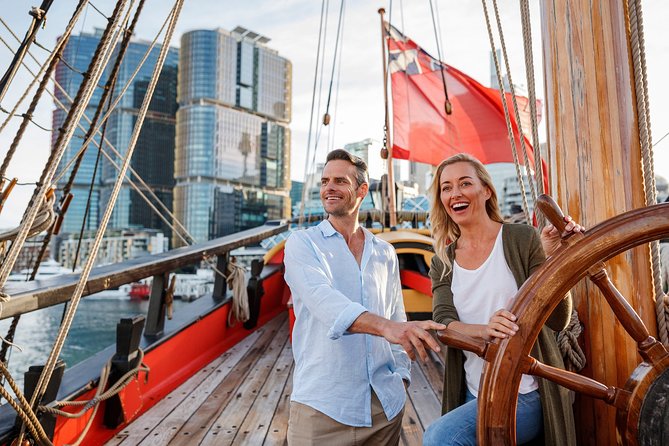
You may also be able to board the replica of Captain James Cook’s Endeavour. It’s a big deal for a very simple reason: walking a full-size tall-ship replica helps your brain “scale up” what you’re learning in the galleries.
Even if you’re not a die-hard ship person, ship touring works because it’s sensory. You see how cramped spaces feel, you notice how decks are arranged, and you can look at details up close that you’d never notice from behind glass. That’s also why this museum can feel more meaningful than a typical museum day.
HMAS Onslow (submarine): plan for tight quarters and early timing
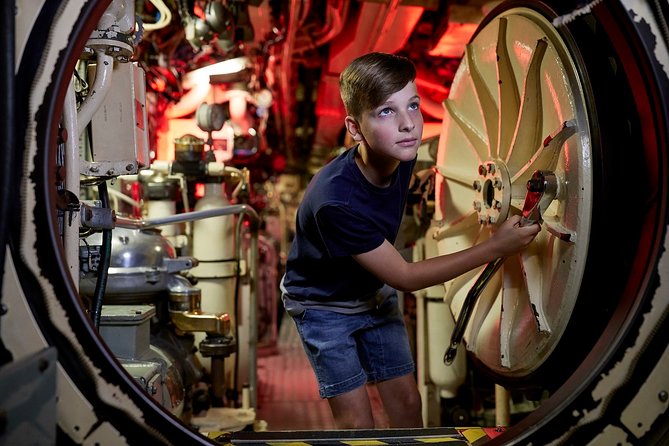
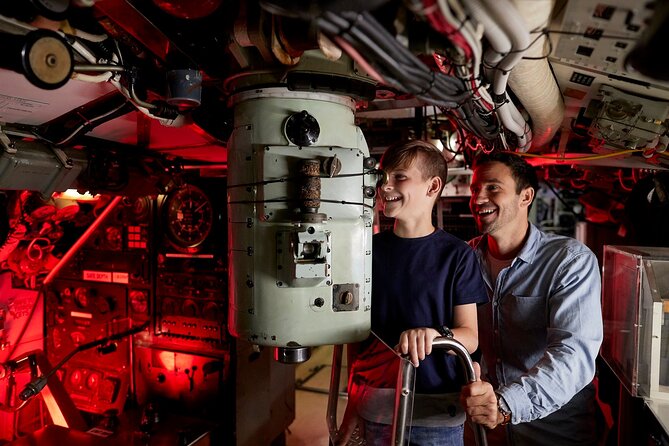
If the submarine HMAS Onslow is available for boarding, treat it like your priority stop. Submarines are a unique kind of museum experience because the main attraction is the limited space itself—so what you learn hits differently when you’re inside.
Practical tip: boarding has a last cut-off time. The information provided lists last boarding at 4:10 pm for several dock ships, so if you care about the submarine, you’ll want to arrive with enough buffer to get through lines and still enjoy the ship after boarding.
One more thing: it’s an outdoor dock experience. Even when you’re exploring a ship, you’ll likely spend time waiting or moving between vessels. Bring shade and comfort gear (hat and sunglasses help), because the outdoor portion can feel hot and bright.
You can also read our reviews of more museum experiences in Sydney






HMAS Vampire (naval big gun ship): a strong mid-day anchor
The HMAS Vampire is another major draw when it’s open for boarding. It’s a rare kind of vessel to see intact because it represents a specific era and capability, and you can walk around in a way that makes the scale feel real.
For many people, Vampire works as a mid-day stop because it’s exciting but doesn’t usually require the same mental adjustment as a submarine. The best way to enjoy it is slow walking: pause at railings, look into spaces where crew would have operated, and then connect what you see to the naval defense and maritime history you’re reading indoors.
Captain Cook’s Endeavour replica: the hands-on part of exploration history
The Endeavour replica is the ship that helps your day “click.” Cook is one of the best-known explorers connected to Australia, and boarding a full-size tall-ship replica turns that name into something you can picture.
If you’ve ever read about exploration voyages and thought, yes, but what was it actually like, this answers that question in a very direct way. The replica makes you think about shipbuilding, sail handling, and daily life at sea in the 18th century.
It also pairs well with the museum’s indoor Cook-linked exhibits. When you walk the replica after seeing the background information inside, the whole story feels more connected.
The James Craig tall ship: restoration and sea-worthiness matter
The James Craig is described as one of the world’s few remaining 19th-century barques that is sea-worthy, and it took around 30 years to restore. That’s exactly the kind of detail that makes a ship tour worth your time. You’re not just looking at a model or a shell—you’re seeing a vessel that’s been carefully brought back and maintained.
Tall ships also give you different views than submarines and naval vessels. If you like photos, this is where you’ll likely spend extra time finding angles that show sails, rigging lines, and deck structure.
Timing and pacing: last boarding cut-offs and how to avoid a rushed day
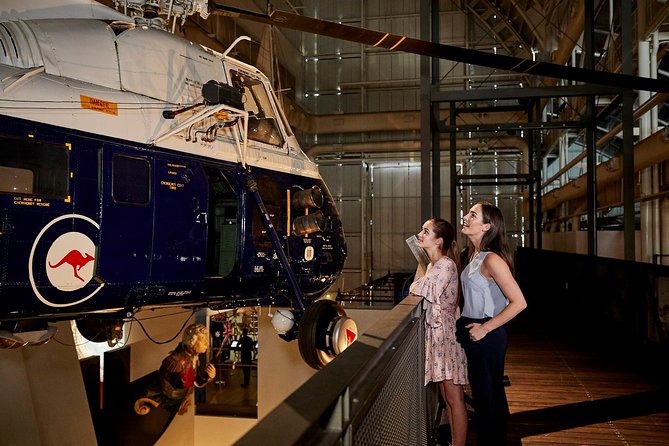
The museum runs daily hours that depend on the season. From March 12, 2024 to February 1, 2026, it’s listed as 9:30 am to 5:00 pm. From February 2, 2026 to March 31, 2027, it’s 10:00 am to 4:00 pm.
That matters because dock boarding has last boarding at 4:10 pm for several major vessels. On days when the museum closes earlier, or if boarding starts running later, you can feel squeezed. The practical move is to arrive early enough to tour the ships without treating your day like a sprint.
Also: outdoor time adds up. Even if you only plan for one to four hours, I’d still expect that the ship tours can stretch your visit, especially when you’re stopping to read and talk. The museum includes volunteers and ship-related guides, and their stories can take longer than you think—in a good way.
If you’re optimizing: start indoors first to get your bearings, then shift outside to whatever vessel you care about most while boarding is still active.
Views, breaks, and where to eat along Darling Harbour
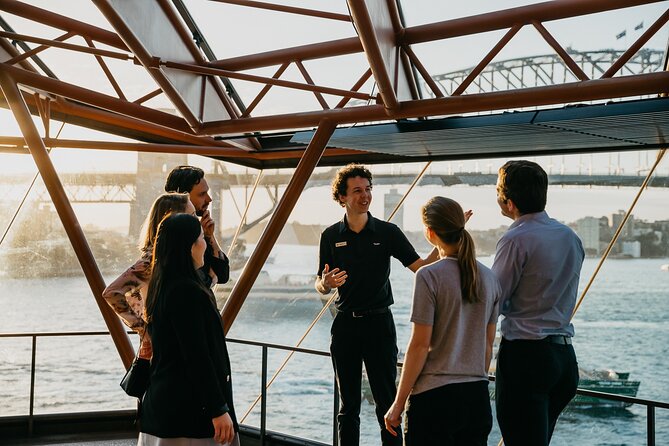
The museum sits on the shores of Darling Harbour, so you get water views without having to travel across town for scenery. There’s a cafe that overlooks Darling Harbour where you can buy refreshments.
If you prefer to control your budget, you can bring snacks and use the museum’s terrace to soak up harbor views. Either way, plan a small break. When you’re walking decks and switching between exhibits and outdoor spaces, a short pause helps you reset so the history lands better.
One small comfort note: because it’s waterfront and you’re outdoors, gear matters. A hat, sunscreen, and water are smart choices for long daylight visits.
Price and value: what $25.10 really buys in the real world

At $25.10 per person, this isn’t a “cheap museum” price, but it’s also not inflated for a city like Sydney. The value comes from the combination:
- indoor exhibits on Indigenous maritime customs and European explorers
- rotating and special exhibitions like the Beach & Ocean photographer event
- outdoor ship access when vessels are available to tour
- interactive kids areas
Most stand-alone museums don’t let you walk onto real navy and sailing vessels. That’s why the Big Ticket is typically the one to choose if your goal is more than just browsing.
One more value point: group size is capped at a maximum of 10 travelers for this experience. That usually translates into less chaos and a smoother flow, especially if you’re relying on staff guidance for boarding schedules.
Who should book this museum ticket (and who might not love it)
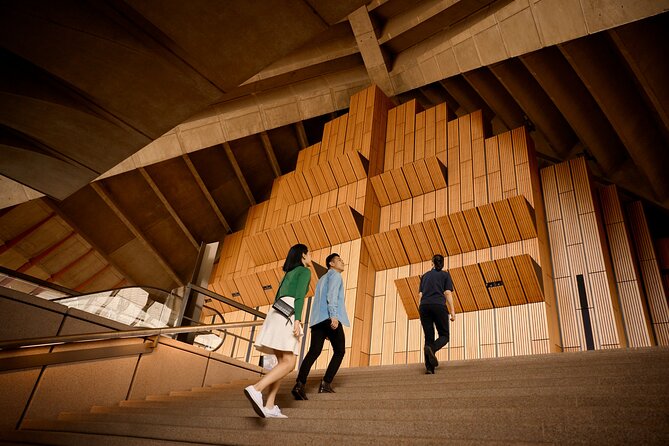
Book it if you want:
- hands-on ship touring in Sydney’s Darling Harbour area
- a museum that fits both adults and kids
- maritime history that covers both Indigenous stories and European exploration
- time on deck, not just behind glass
You might not love it if:
- you hate outdoor walking or hot weather (the docks are outdoors)
- you only want a short indoor visit and don’t care about ship boarding
- you’re the type who gets cranky with cut-off times and last entries
If your family mix includes ship lovers and photography fans, you’re in the right place. One of the best parts of the museum is that it doesn’t force one single vibe. You can spend an hour staring at a ship detail, then switch to an exhibit that explains the larger story.
Should you book the Australian National Maritime Museum Holiday Ticket?
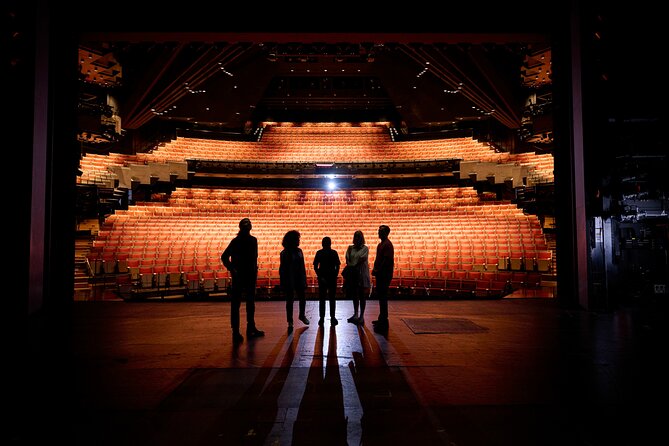
Yes, I’d book it if you’re visiting Sydney and you want a maritime day with real variety. The ticket price becomes a win when you select the Big Ticket and plan to spend time outdoors on the docks. The chance to tour HMAS Onslow, HMAS Vampire, and the Endeavour replica (plus sea-worthy James Craig when available) is the kind of experience you don’t get at most museums.
If you’re short on time or you know you only want special exhibitions, choose the exhibitions-only option and protect your schedule. But if your goal is a full museum day with ships, kids activities, and harbor views, this is one of the most practical ways to get a lot of meaning out of a limited number of hours.
FAQ
What ticket options are available?
You can choose between the Big Ticket (all access) or an option for special exhibitions only. The Big Ticket includes access to permanent and seasonal exhibits plus the docks area where historic ships are berthed for touring when available.
How long should I plan to spend at the museum?
The experience is listed as about 1 to 4 hours, depending on how much time you spend in galleries and how many dock ships you’re able to tour on your visit day.
Which ships can I tour at the docks?
Depending on the day, the docks may offer tours of ships such as HMAS Onslow (submarine), HMAS Vampire (naval ship), and The James Craig (19th-century tall ship). A replica of Captain James Cook’s Endeavour can also be boarded, if you select the option that includes docks access.
Is there anything for children?
Yes. If your ticket option includes children’s areas, you’ll find interactive kids activities and Kids on Deck.
What are the opening hours?
From 12/03/2024 to 02/01/2026, it’s listed as 9:30 AM to 5:00 PM daily. From 02/02/2026 to 03/31/2027, it’s listed as 10:00 AM to 4:00 PM daily.
Can I get a refund if my plans change?
Yes. Free cancellation is offered if you cancel at least 24 hours before the experience start time for a full refund.
You Might Also Enjoy
More Museum Experiences in Sydney

More Tickets in Sydney


More Tour Reviews in Sydney
- Blue Mountains Small-Group Tour from Sydney with Scenic World,Sydney Zoo & Ferry
★ 5.0 · 3,709 reviews