REVIEW · HUNTER VALLEY
Winemaking Class at McCaffrey’s Estate
Book on Viator →Operated by McCaffrey's Estate Cellar Door · Bookable on Viator
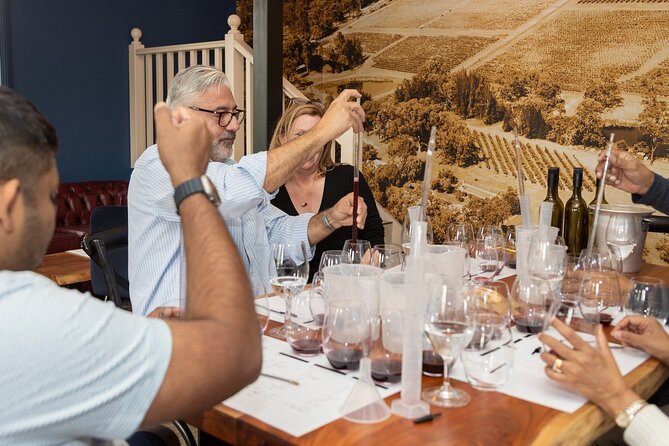
Wine gets personal fast in the Hunter Valley. This hands-on red blending experience at McCaffrey’s Estate Winery turns wine tasting from a passive activity into a guided experiment, with educators walking you through grape character and blending ratios while you build your own bottle.
Two things I really like: first, you learn by doing, not just listening. You’ll taste, adjust, and compare blends as you go, which makes the concepts stick. Second, the experience ends with something tangible: you bottle your blend and take it home, plus you enjoy a glass or two while you work.
One consideration before you book: it’s adults-only (18+), and the class runs for a maximum of 14, so if you want a kids-allowed family stop, this won’t fit.
In This Review
- Key Points You Should Know Before You Go
- Welcome to McCaffrey’s: What This Blending Experience Actually Is
- The Flow of the Class: From Tasting Notes to Your Bottle
- 1) Getting started and learning the “why”
- 2) Picking components and experimenting with ratios
- 3) Tasting your work in progress
- 4) Bottling your final blend to take home
- What Makes the Teaching Style Stand Out (Especially If You’re New)
- Why the Small Group Size Changes Your Experience
- Value for Money: What You Get for $90.77
- Where You’ll Be Based: McCaffrey’s Estate Winery in Pokolbin
- Who This Is Best For (And Who Might Skip It)
- Tips to Get the Most Out of Your Blending Session
- Quick Practical Notes (What to Expect Day-of)
- Should You Book This Winemaking Class at McCaffrey’s Estate?
Key Points You Should Know Before You Go
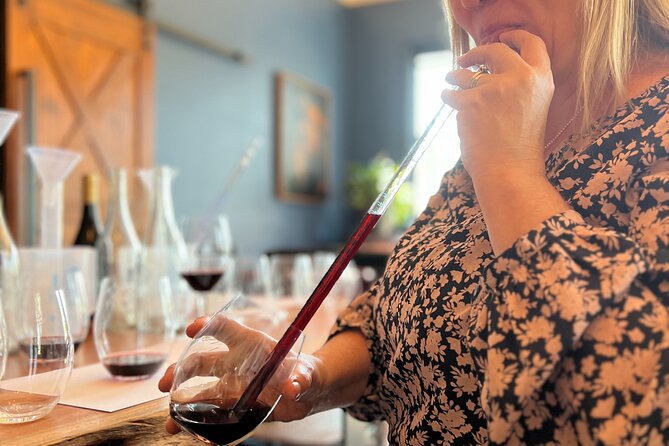
Hands-on blending, not just tasting: You experiment with ratios until your blend matches your taste.
You leave with your own bottled red: It’s a one-of-a-kind souvenir you can share later.
Small group size (up to 14): Expect a more conversational, coach-style pace.
Red wine education built around flavors: You learn how grape traits show up in the glass.
Friendly educators with real clarity: Reviews specifically call out help from Declan for understanding what matters in red tasting.
A quick, focused 1.5-hour session: It’s long enough to learn and blend, but short enough to fit a day in the Hunter Valley.
Welcome to McCaffrey’s: What This Blending Experience Actually Is
This isn’t a “show up, sip, and leave” tasting. It’s a class where your decisions change the wine in the glass. At McCaffrey’s Estate Winery in Pokolbin, you’ll meet at 614 Hermitage Rd, Pokolbin NSW 2320, then settle in for a 1 hour 30 minutes interactive red blending session.
The core idea is simple: you’ll be guided through selecting and blending different varietals, then adjusting the proportions until you land on a mix that suits your palate. If you’re new to wine, that structure helps a lot. If you’re more experienced, it’s a fun way to put tasting theory into a practical workflow.
The overall tone is adult, relaxed, and hands-on. It’s also small enough that the educators can focus on how you are tasting—what you notice, what you like, and what you’re trying to fix.
You can also read our reviews of more tours and experiences in Hunter Valley.

The Flow of the Class: From Tasting Notes to Your Bottle
Even though this is one continuous experience, it helps to think of it in phases. That way you know what you’re walking into and what to expect from each part.
1) Getting started and learning the “why”
You begin with instruction from the wine educator(s). The point is not to overload you with wine jargon. Instead, you learn what different grape characteristics tend to contribute to the final red—think of it as learning the building blocks of flavor.
One strong theme from the experience is clarity: several people highlight that they learned more than they expected from a typical tasting. That’s exactly what this format supports. When you know what a certain grape is likely doing in the blend, tasting becomes much more logical.
2) Picking components and experimenting with ratios
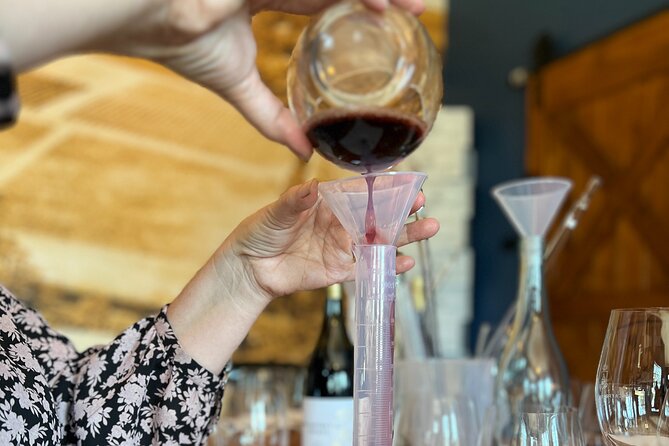
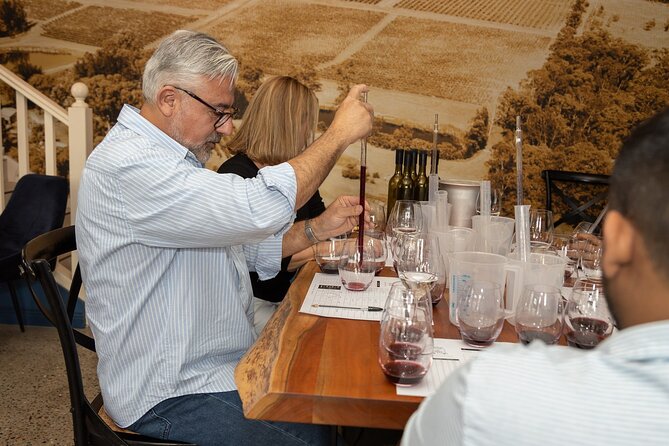
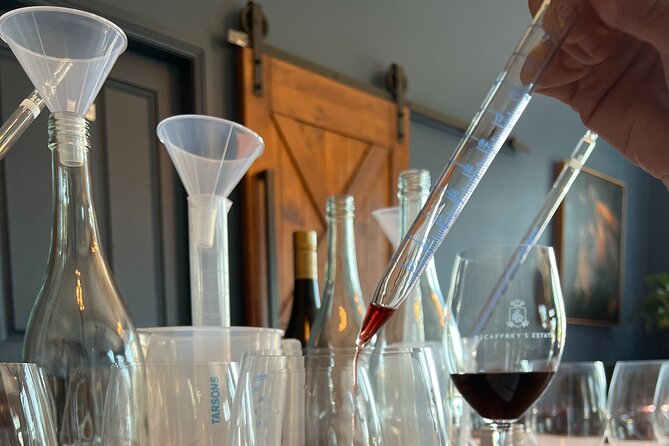
Next comes the fun part: blending. You’ll work through selecting and combining varietals and then testing different blending ratios. This is where you start to see cause-and-effect.
If you usually buy wine you already know, this is where you may discover preferences you didn’t realize you had. You’ll taste combinations, then adjust until it stops tasting like a compromise and starts tasting like your bottle.
3) Tasting your work in progress
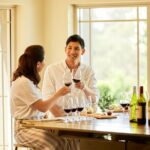
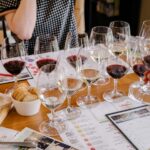
As you blend, you also get to enjoy a glass or two of what you’re making while you work. That matters more than it sounds. Instead of treating the class like a lab you’re not allowed to enjoy, you get to taste and react in real time. It keeps the learning practical and a little playful.
You also get feedback as you go—how to interpret what you’re tasting and how grape elements show up in the overall profile.

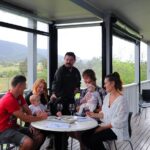
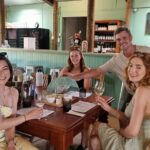
4) Bottling your final blend to take home
When you settle on your blend, the experience ends by bottling it up for you to take home. This is a big part of the value: you’re not leaving with only memories and a few samples. You’ll have a bottle that reflects your decisions at the blending table.
It also makes a great follow-up. You can open it later and compare it to what you usually drink, because you’ll remember how you built it.
What Makes the Teaching Style Stand Out (Especially If You’re New)
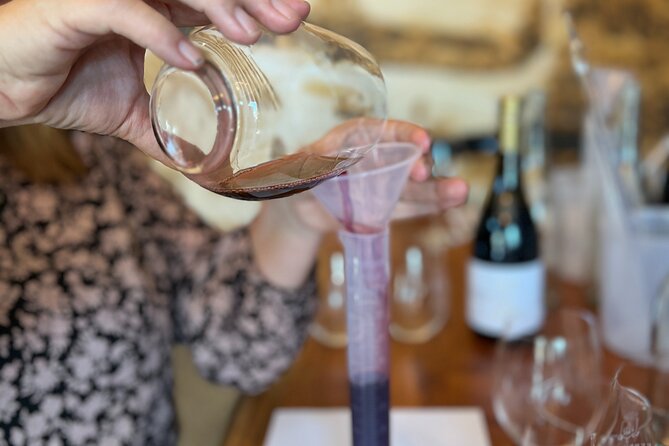
A lot of wine activities can accidentally make beginners feel like they’re missing something. This one aims to solve that.
The teaching approach is hands-on and guided, which helps you learn the key “elements to consider” when tasting red wine. People who didn’t know much about wine tasting specifically point out that the explanations helped them understand what matters—so they weren’t just following a recipe without understanding it.
One review highlights Declan by name for helping with wine tasting insight and making the class easier to follow. That kind of educator support is a real asset, because tasting is subjective. A good guide helps you turn subjectivity into useful patterns: what you like, what you’re responding to, and why your preferences make sense.
If you come in thinking you’re not a wine person, this format is often the reason people end up with a new perspective. Learning how blending changes flavor can also shift how you interpret wines you disliked before.
Why the Small Group Size Changes Your Experience
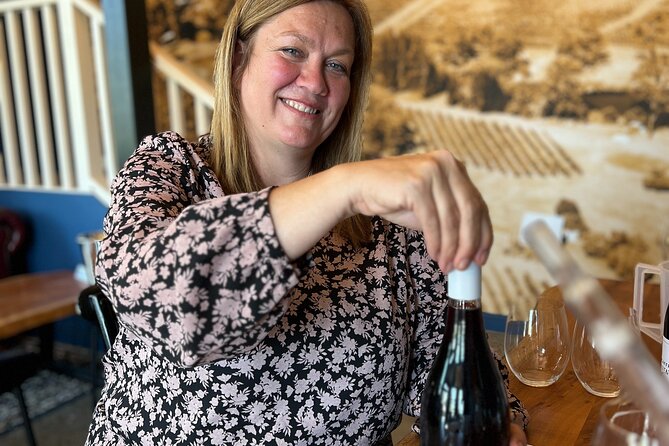
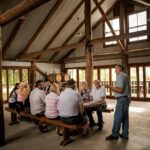
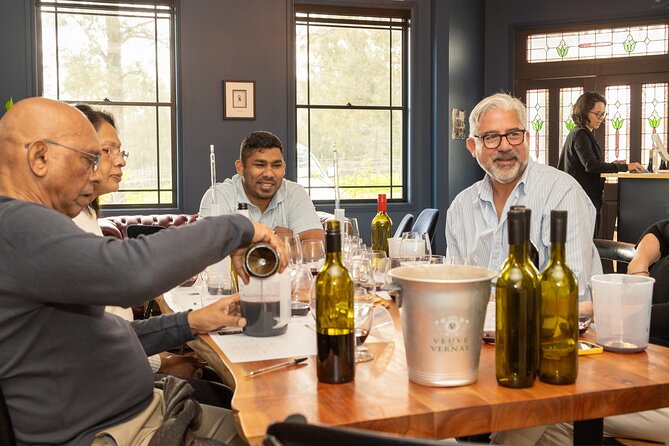
This class caps out at 14 travelers, which is small enough to feel more like a workshop than a show.
In a larger group, blending can turn into a scripted activity where you mostly watch or repeat steps. Here, the educator(s can keep things interactive—helping with tasting, answering questions, and guiding ratio decisions based on what you’re experiencing.
That also means the vibe tends to be calmer. Even if you’re traveling solo or with friends, you’ll likely get more direct attention, and you’ll spend more time focused on your blend rather than waiting for instructions.
Value for Money: What You Get for $90.77
At $90.77 per person, this isn’t a budget tasting—but it’s also not just paying for a few drinks. You’re paying for an educational, guided blending session plus a bottle to take home, and you’re tasting along the way.
For value, the take-home bottle is the big lever. If you’ve ever wished tastings gave you more than a quick sample, this solves that. You leave with a physical souvenir you can actually enjoy later.
The duration also helps. At 1.5 hours, you’re not signing up for a half-day commitment. You get enough time to learn the basics, practice blending choices, and bottle your result, without it dragging.
If you’re visiting the Hunter Valley and want one activity that feels different from standard cellar-door tastings, this is the kind of experience that justifies the price through participation and payoff.
Where You’ll Be Based: McCaffrey’s Estate Winery in Pokolbin
The meeting point is McCaffrey’s Estate Winery, 614 Hermitage Rd, Pokolbin NSW 2320. Since the experience starts at 10:30 am, it fits well into a morning schedule—good if you want to do something active before lunch and still have energy for more wine stops afterward.
There’s no mention of a long off-site tour component, so think of this as focused at the winery as a workshop setting. That’s actually a plus for many people: you don’t spend half your time traveling between stops.
Who This Is Best For (And Who Might Skip It)
This experience is ideal if you’re:
- A wine lover who wants a hands-on way to learn flavor structure.
- A beginner who wants guidance turning tasting into something you can explain.
- Anyone who likes activities where your choices matter and you leave with a real item—your own bottled blend.
It might be less ideal if you’re:
- Looking for an all-ages activity. The class is 18+ only, and no children are permitted.
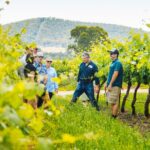
- Expecting a big scenery-heavy tour. This is about blending and education, not a sightseeing itinerary.
If you’re celebrating something small—friend time, couple time, or a fun group activity—small groups make it feel personal. One of the best notes in the reviews is how the experience can feel tailored when the group isn’t large.
Tips to Get the Most Out of Your Blending Session
You’ll get more out of the class if you come ready to taste with intention. Here’s how to make it count:
- Talk through what you like. Even if you don’t know wine terms, saying it’s more fruity, more smooth, or less heavy helps your educator guide ratio choices.
- Change one thing at a time in your head. When you test a new blend, try to remember what you adjusted. That’s how your learning sticks.
- Don’t chase the “right” answer. The goal is your taste profile. The educators guide you, but your bottle should reflect you.
- Plan for a later taste moment. Since you take your bottle home, think of it as a future tasting you can compare to your usual picks.
And if you’re worried you don’t like what you’ll make: this is exactly the kind of experience that can flip your perspective, because you’re in control of the blend.
Quick Practical Notes (What to Expect Day-of)
The experience runs with a mobile ticket, and you’ll receive confirmation at the time of booking. Service animals are allowed, and the class has a maximum of 14 travelers, so it stays in that small-workshop lane.
Also, start time matters: it begins at 10:30 am, and it’s about 1 hour 30 minutes long. If you’re stacking this with other Hunter Valley stops, I’d treat it as a lead-in to your tasting day rather than something to fit in the last hour before dinner.
Should You Book This Winemaking Class at McCaffrey’s Estate?
Book it if you want an interactive wine experience where you learn something real and leave with a bottle you made. The strongest reasons to choose this are the combination of guided red blending, the chance to taste and adjust ratios, and the payoff of taking your blend home.
Skip it if your main goal is an all-ages, sightseeing-style day, or if you’re only looking for a quick drink without learning. This class is designed for adults who want their wine education to be hands-on.
If you’re on the fence, here’s the deciding question: do you want to be a passive taster, or do you want to actively build something and understand it? For most wine-curious travelers in the Hunter Valley, that second option is the fun one.