REVIEW · SYDNEY ZOO
Sydney Zoo Admission Ticket
Book on GetYourGuide →Operated by Sydney Zoo Pty Ltd · Bookable on GetYourGuide
A zoo that goes beyond cages. Sydney Zoo is interesting for its First Nations experience (Bungarribee Dreaming) and its immersive African Boardwalk mixed-species habitats that help you slow down and really look. I like that the site is designed for easy wandering, and the animals aren’t just on display—they tie into conservation and recovery work. One thing to think about: Eastern Creek is farther out from central Sydney, so transport time (and cost) can end up bigger than you expect.
You’ll also get a smart mix of global wildlife, local Australian species, and hands-on learning moments powered by technology and innovation. And because it’s built with “no hills and no steps,” you spend more energy watching animals and less time fighting terrain. If you’re visiting in peak heat, plan for summer conditions—some animals may spend more time in shade, and you’ll want to follow the cooler shaded paths.
In This Review
- Key highlights at a glance
- Sydney Zoo in one day: what your admission covers
- Getting there from Sydney (Eastern Creek) and making parking work for you
- Bungarribee Dreaming: First Nations culture as part of the animal day
- African Boardwalk and mixed-species habitats: the slow-look payoff
- Primate Boulevard and south-east Asia: close watching with calmer pacing
- The big indoor stars: the Reptile & Nocturnal House and the aquarium combo
- Heat, shade, dust, and comfort tips that actually matter
- Conservation and recovery: how your ticket supports more than watching
- Value check: is $38 worth it for a one-day ticket?
- Who should buy this ticket, and who should think twice?
- Should you book Sydney Zoo admission?
- FAQ
- How much is Sydney Zoo admission?
- How long is the ticket valid for?
- Is parking included with the admission ticket?
- What should I bring to the zoo?
- Is Sydney Zoo wheelchair accessible?
- Are glass objects allowed?
Key highlights at a glance
- Bungarribee Dreaming: Learn about Aboriginal culture while you’re at the zoo
- Conservation focus: Your visit supports long-term recovery programs
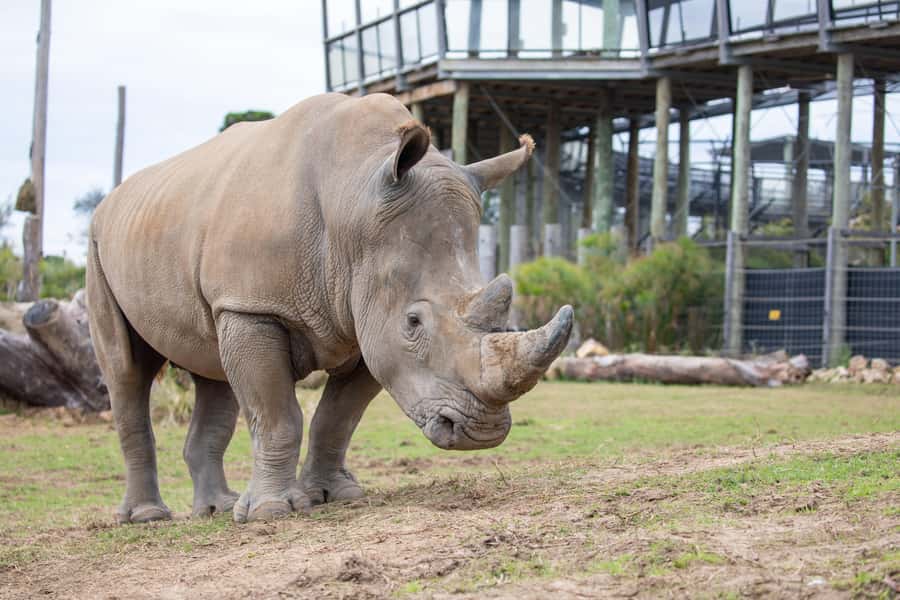
- African Boardwalk: Mixed-species savannah scenes that feel natural
- Primate Boulevard + South-east Asia: A calmer zone for close animal watching
- NSW’s only zoo-and-aquarium combo: More to see without changing venues
- Largest Reptile & Nocturnal House in the world: A standout stop when you want something different
Sydney Zoo in one day: what your admission covers
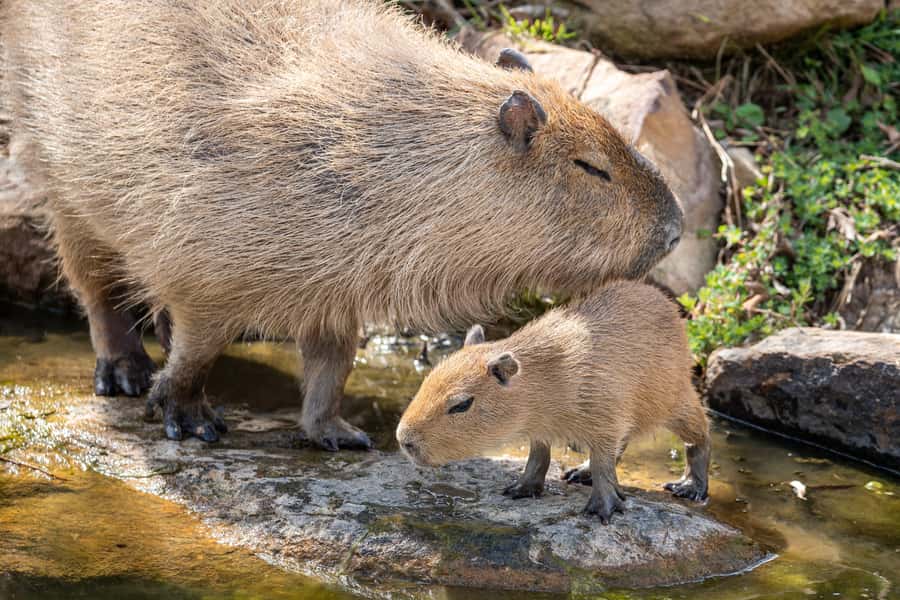
Sydney Zoo’s general admission is a one-day ticket, and that matters because you can pace yourself instead of rushing on a tight schedule. With access to over 4,000 animals, you’re choosing between “big animals first” or “start with learning, then roam.” The zoo works best when you treat it like a full wandering day, not a checklist.
A key point: you’re not buying a guided tour. You’re buying freedom—self-guided discovery through the grounds, the big themed areas, and the animal houses. That’s great if you enjoy taking your time, standing back to get the full scene, then moving closer when you find the right viewing angle.
Your ticket includes on-site parking, which is a big value lever if you’re driving. It also helps if you want to flex your schedule—arrive when you’re ready, park once, and keep moving through the day.
The zoo’s layout is also designed to be easier on your legs. It’s described as having no hills and no steps, which is a rare and genuinely helpful detail. You’ll still walk a lot (zoo days do that), but you won’t be fighting steep grades or constant stair climbing.
If you want the short version of the experience: it’s a full-day mix of animals, themed zones, and culture learning, built for comfortable roaming.
Getting there from Sydney (Eastern Creek) and making parking work for you
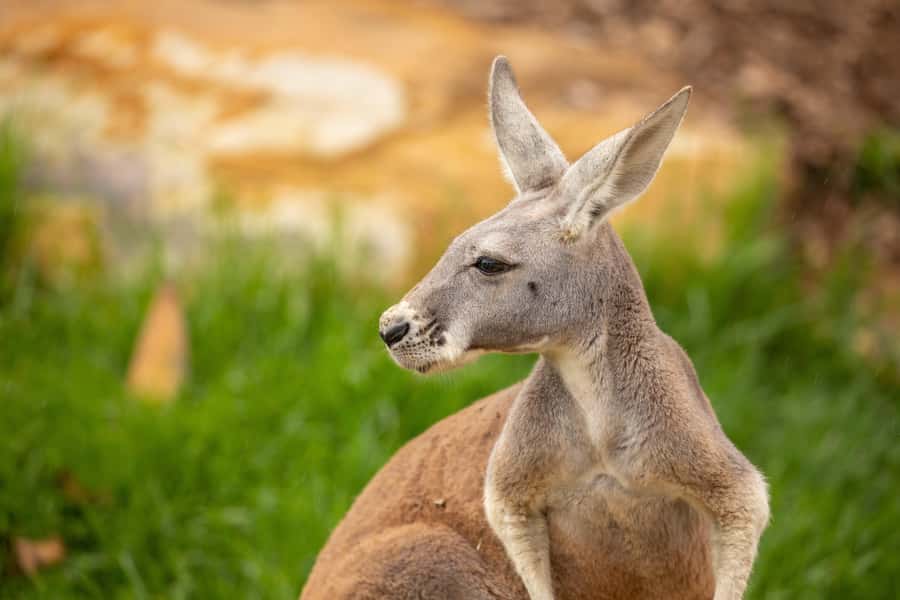
Sydney Zoo sits in Eastern Creek along the Great Western Highway, just off the M7 and M4 motorways. That’s useful because you’re not stuck navigating tiny streets or a maze of city traffic. You’re also not choosing between multiple transport options on a “last mile” nightmare—roads are straightforward.
The best practical win here is free parking included with your admission. Even if you come from outside Sydney proper, that single inclusion can make the whole day feel less expensive. It can also help you avoid the hassle of juggling parking meters or paying for short-stay spots.
A real consideration, especially if you’re staying near central Sydney: the distance can change the math. One of the clearest points I’d take from the logistics reality is that transport to Eastern Creek can eat into your day—and sometimes ends up costing more than the ticket itself. If you’re planning to go by public transport, double-check the full travel time so you aren’t spending your energy on commuting.
My advice: match your travel method to your energy level. If you’re bringing a car, you’ll likely feel like the day “starts” at the gate. If you’re using transit, plan for a longer day and choose a day when you’re not already tired.
Bungarribee Dreaming: First Nations culture as part of the animal day
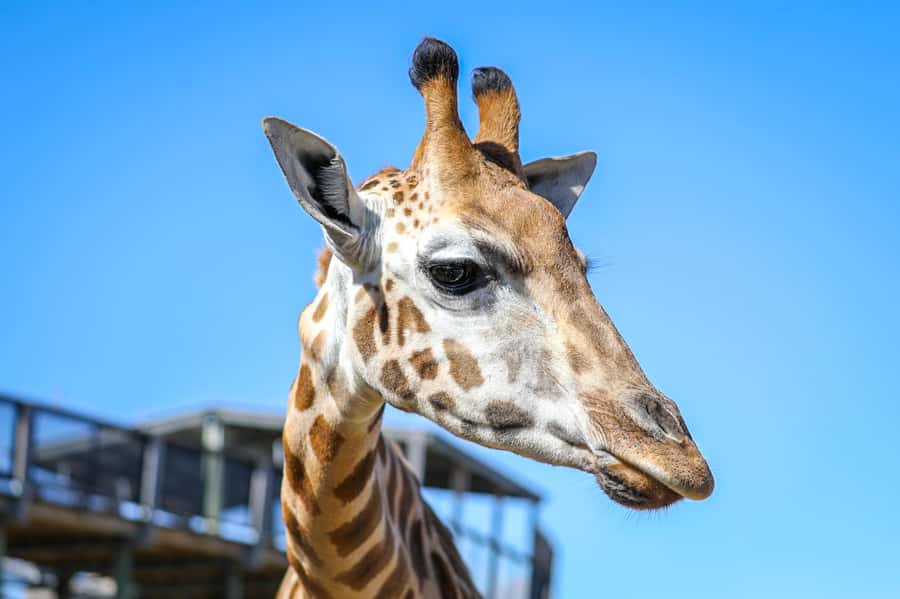
One of the most meaningful reasons to choose Sydney Zoo is Bungarribee Dreaming. It isn’t an add-on that feels separate from the animals. It’s built into the zoo experience, and that changes your day in a good way.
What you get from Bungarribee Dreaming is cultural learning about Aboriginal culture, delivered in a way that fits naturally into a visit. When a zoo includes this kind of program, it adds context: you’re not only seeing wildlife—you’re also learning how people connect with land, animals, and knowledge systems.
I also like that the zoo has explicitly embraced technology and innovation to improve guest engagement, and to showcase First Nations culture. That’s important because it signals the zoo isn’t treating culture as decoration. It’s being presented as part of how you understand the place.
How to make this work in your day plan: don’t schedule Bungarribee Dreaming as an afterthought. If you care about it, make sure you give it enough time so it doesn’t get squeezed between animal houses. Treat it like a “real stop” in the itinerary.
African Boardwalk and mixed-species habitats: the slow-look payoff
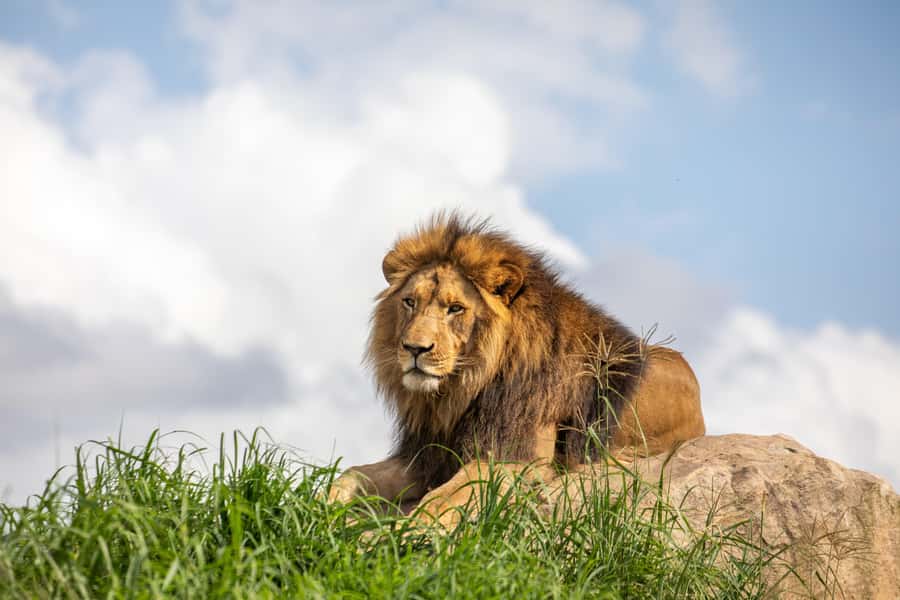
The African Boardwalk is one of the areas that helps Sydney Zoo feel less like a corridor of cages and more like you’re walking through a living savannah story. The big idea is the zoo uses mixed-species habitats, so you’re not just watching one animal behind glass—you’re seeing how different species share space.
This matters because it affects what you notice. On a mixed-habitat path, you start scanning for behavior, not just bodies. You look at how animals move relative to one another, where they choose to rest, and what the habitat provides.
Even better: you’re walking through scenes from the savannah, which gives the day a sense of place. It’s easier to picture what “home” looks like for the animals when the surroundings help you imagine the right ecosystem.
Practical tip: on any boardwalk area, take a pause when you see a good line of sight. Many visitors rush, but the real pay-off is waiting for movement. Mixed species also means more chances to spot action—if you give it 2–3 minutes instead of 15 seconds.
If you like photography, this zone is especially helpful because the visual “scene” framing tends to be clearer than random indoor viewing. A camera makes sense here, and so does comfortable footwear.
Primate Boulevard and south-east Asia: close watching with calmer pacing
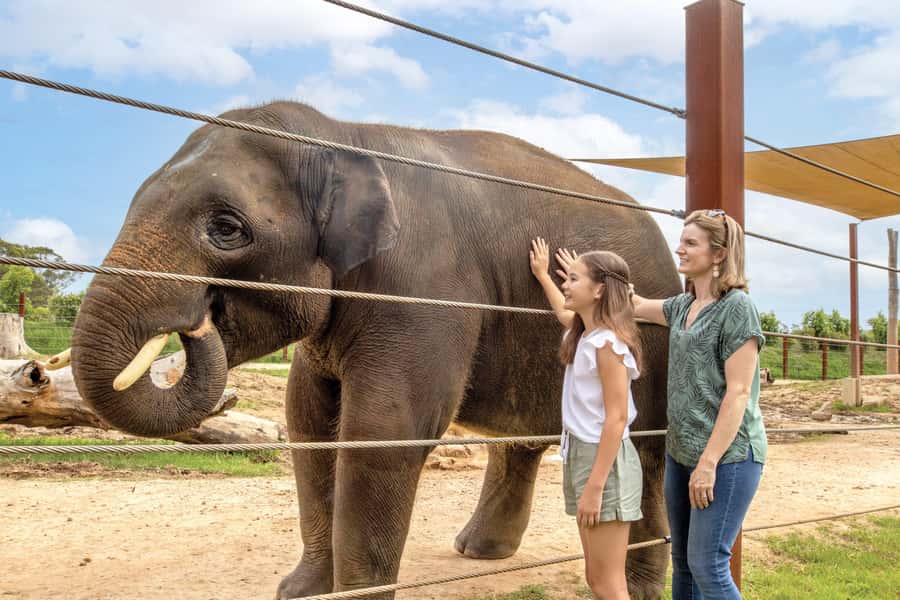
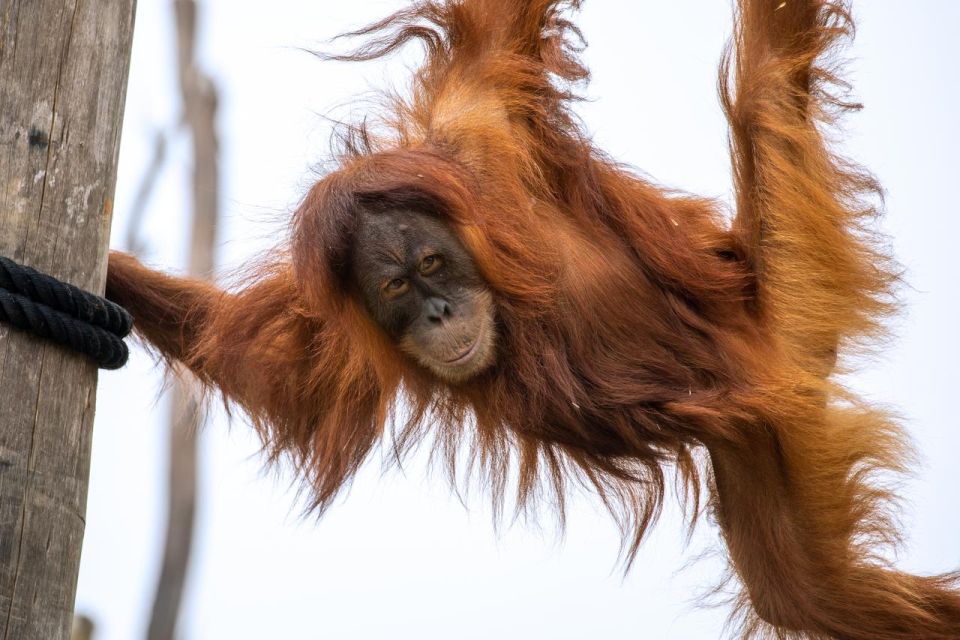
After you’ve had your fill of the savannah vibe, the zoo shifts into zones built for different kinds of observation. The Primate Boulevard is a great example. It’s described as leafy and designed for wandering—exactly the kind of path where you can slow down and watch animals do what they do when people aren’t hovering.
Then there’s the area devoted to south-east Asia animal life. This is where you’ll notice the zoo’s global reach: not everything is “Australian native” and not everything is African. The point is variety, and variety keeps a one-day ticket from feeling repetitive.
How to pace yourself through these zones:
- Start earlier if you can, especially if you hate crowds and want calm viewing.
- When you find an animal that’s active, stick around. Don’t bounce every minute.
- If it gets hot, shift your route toward shaded paths and shaded viewing points.
From the hot-weather lens, I’d plan for animals to react to heat the same way people do. In summer, you might see more time spent in shade than full-on displays. That doesn’t mean the animals are “doing nothing.” It means you’re catching them in real conditions.
The big indoor stars: the Reptile & Nocturnal House and the aquarium combo
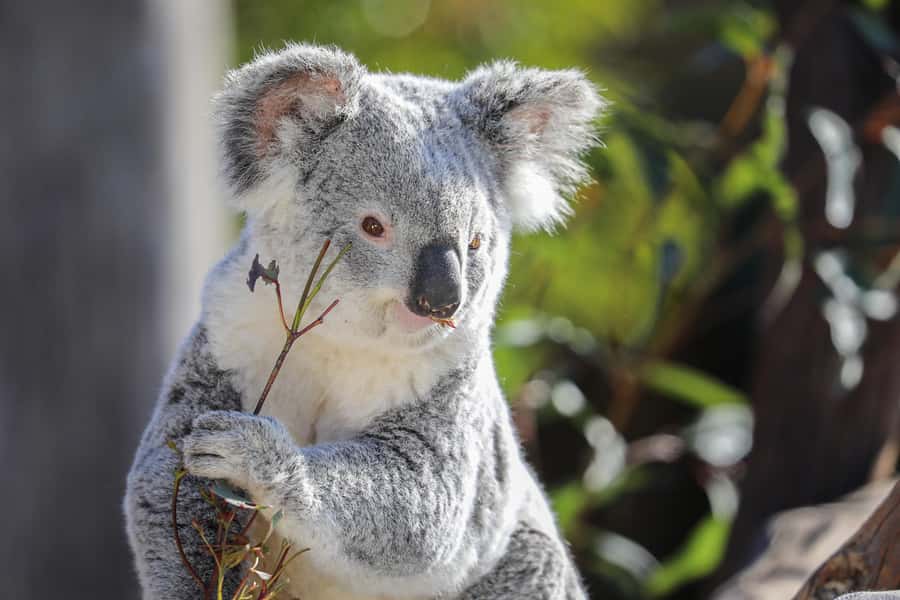
Sydney Zoo is also a standout because it’s the only combined zoo and aquarium in NSW. That matters for your day strategy. Instead of choosing between “zoo day” and “aquarium day,” you get both in one ticket, one location, and the same overall entry time.
One of the biggest must-see stops is the Reptile & Nocturnal House, described as the largest Reptile & Nocturnal House in the world. If you want variety in your animal watching—something different from typical daytime animal enclosures—this is where you’ll likely feel the change.
Why I’d prioritize this in your schedule: indoor animal spaces can be a relief when it’s warm outside. They can also provide a different kind of viewing. Nocturnal settings often change how animals behave, and reptiles bring a different texture of movement—slower, still, and focused.
A sensible approach: save this for the part of the day when you’d normally slow down, especially if you’re visiting in hot months. You’ll refresh your pace, cool off a bit, and still get a high-impact animal experience.
Also, since glass items aren’t allowed, indoor viewing tends to be more straightforward. You can keep your camera ready without worrying about extra restrictions beyond what the zoo states.
Heat, shade, dust, and comfort tips that actually matter
A zoo day can feel easy in theory. Then the weather hits. Sydney Zoo is designed for comfortable movement—remember no hills and no steps—but comfort still depends on how you prepare.
Bring comfortable shoes and a hat. The zoo is outdoors through major parts of the grounds, and sunny conditions are real in New South Wales. If you’re someone who runs hot, plan shade breaks rather than trying to “power through.”
There’s also helpful infrastructure for summer conditions. On hot days, the zoo has mist sprinkler and shaded areas working, which can make the difference between enjoying your roaming and feeling drained. I also recommend you build your route around these cooler pockets instead of treating them as random finds.
One practical note about ground conditions: paths can feel dusty when you’re leaving, so consider keeping your feet and shoes in mind for the end of the day. It’s not a reason to skip the zoo—just a reason to expect your footwear might not look fresh after.
If you’re diabetic or have specific food needs, plan ahead. The zoo’s ice block options may be limited, so don’t assume lots of variety. Bring what you need (and of course any personal medication you require).
Conservation and recovery: how your ticket supports more than watching
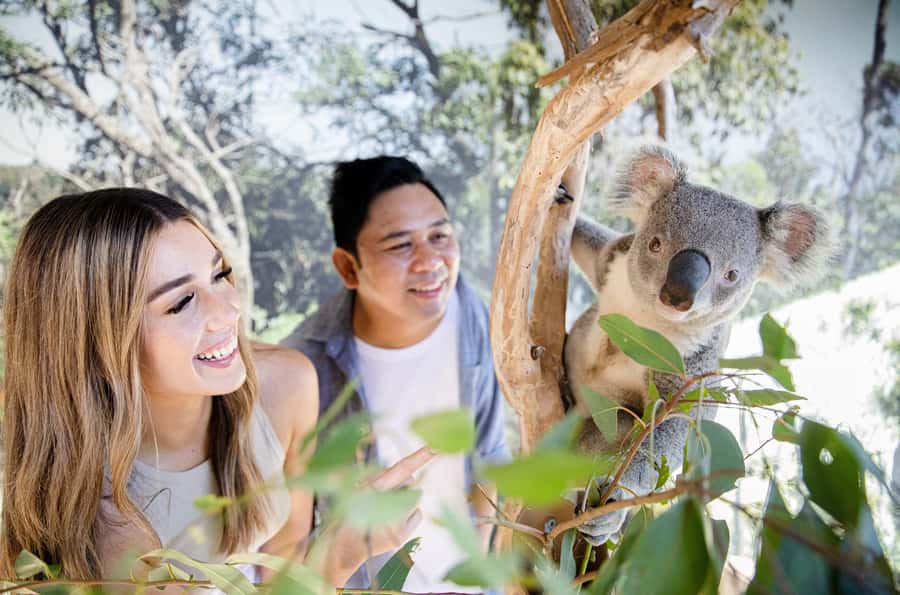
Sydney Zoo doesn’t frame the day as only entertainment. A key highlight is that your visit supports long-term conservation and recovery programs. That’s not a vague promise—it’s central to why the zoo exists.
Here’s what that means for you as a visitor: when you buy admission, you’re funding work that goes beyond the fence line. You’re contributing to programs designed to help animals persist, recover, and survive—often involving longer timelines than a single day of viewing.
It also ties nicely into the variety of animals you’ll see. When you move from native Australian species to exotic and endangered animals from around the world, you’re seeing different conservation contexts. Some animals need habitat protection. Others need breeding and recovery support. Even if you don’t get the full details in a single day, the message is built into the experience.
The best way to get value from that is simple: pay attention to any conservation messaging you encounter as you walk. Take a minute to read the signs when they show up. The time investment is small, and it helps your visit feel purposeful, not just visual.
Value check: is $38 worth it for a one-day ticket?
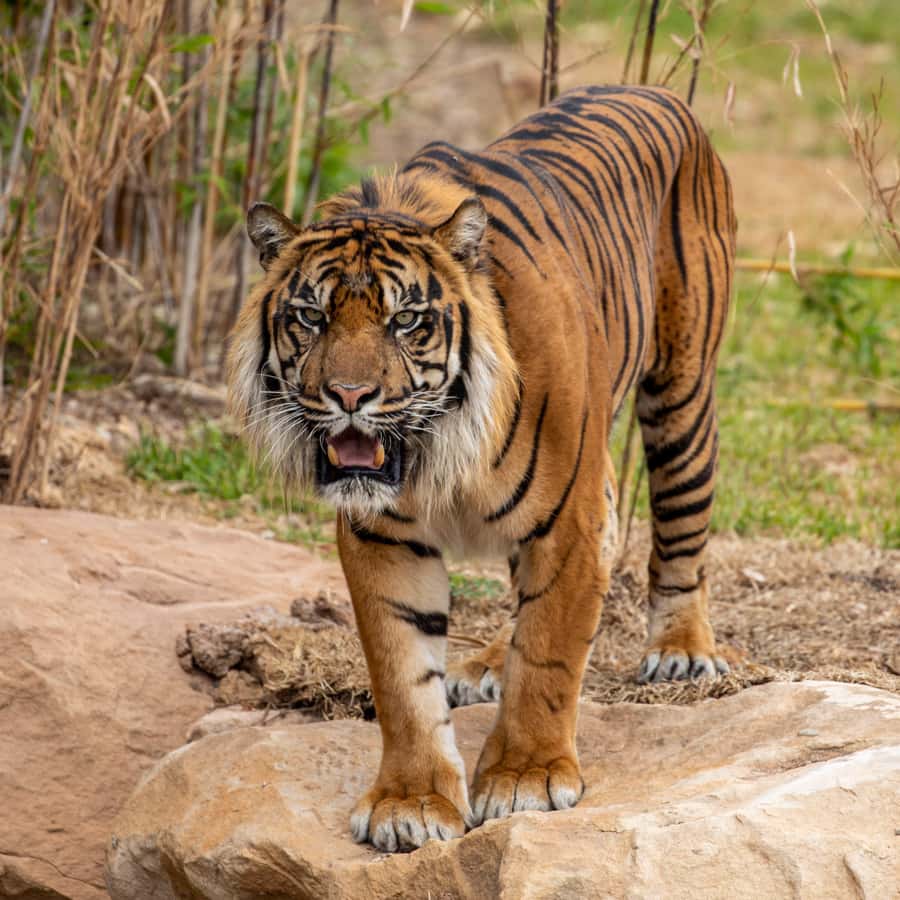
At $38 per person for a one-day admission, Sydney Zoo is priced like a serious attraction, not a bargain day out. But value here isn’t just the ticket price—it’s what you actually get in return.
You’re getting:
- Access to over 4,000 animals
- A day’s worth of roaming time
- Included free parking
- A First Nations learning experience (Bungarribee Dreaming)
- Indoor highlights like the Reptile & Nocturnal House
- Extra variety through the zoo-plus-aquarium setup
If you’re splitting the cost with family, the included parking helps a lot. If you’re solo, you’ll want to be honest about your priorities. If you truly enjoy animal watching, you’ll likely feel like the price fits the output. If you’re mainly after a quick stop and you’re traveling from far away, transport costs can make the total day feel pricier than expected.
My rule of thumb: the ticket feels best when you turn it into a full-day plan. Don’t treat it like a “pop in for an hour” idea. With zoos, the value comes from time on your feet and time at viewing spots.
The zoo’s design—no hills and no steps and wheelchair accessible—also improves the odds you’ll actually enjoy your day instead of getting worn out.
Who should buy this ticket, and who should think twice?
Sydney Zoo admission is a strong match if you:
- Want a one-day animal outing with built-in learning
- Like variety: primates, reptiles, nocturnal animals, plus an aquarium experience
- Care about culture-focused elements like Bungarribee Dreaming
- Prefer self-guided wandering over a rigid schedule
- Need a site that’s easier to navigate (no hills and no steps, wheelchair accessible)
It may be a tougher fit if you:
- Are staying far from Eastern Creek and you’re concerned about transport time and cost
- Are hoping for a quick, short visit rather than a full day
If you’re unsure, think about your “ideal day out.” If it includes slow roaming, shade breaks, and time for animal watching, you’ll probably be happy. If your style is fast and efficient with minimal travel, weigh the logistics carefully.
Should you book Sydney Zoo admission?
Book it if you want one ticket that delivers a full-day mix: thousands of animals, the Bungarribee Dreaming cultural stop, and major indoor highlights like the Reptile & Nocturnal House—plus the zoo-and-aquarium combo in NSW. The included free parking is a real perk, and the “no hills and no steps” layout makes it easier to enjoy the day without unnecessary strain.
Think twice if your transport plan makes the day feel long or expensive. Eastern Creek is convenient by major roads, but distance from central Sydney can flip the value equation. If you can handle the travel and give yourself enough time, this is the kind of attraction where one day can genuinely feel full.
FAQ
How much is Sydney Zoo admission?
The Sydney Zoo admission ticket is listed at $38 per person.
How long is the ticket valid for?
The ticket is valid for 1 day.
Is parking included with the admission ticket?
Yes. On-site parking is included with your admission.
What should I bring to the zoo?
Bring comfortable shoes, a hat, a camera, and any personal medication you need.
Is Sydney Zoo wheelchair accessible?
Yes. The experience is wheelchair accessible.
Are glass objects allowed?
No. Glass objects are not allowed.