REVIEW · SYDNEY
Sydney: Rigoletto at the Sydney Opera House
Book on GetYourGuide →Operated by Opera Australia · Bookable on GetYourGuide
Some buildings hit you fast. The Sydney Opera House makes an opera night feel official, even before the first note. This staging of Rigoletto brings Verdi’s famous mix of courtly glamour and ugly consequences to life inside the Joan Sutherland Theatre. Expect music you’ll recognize, drama you won’t forget, and production details that keep changing the look of the stage as the story twists.
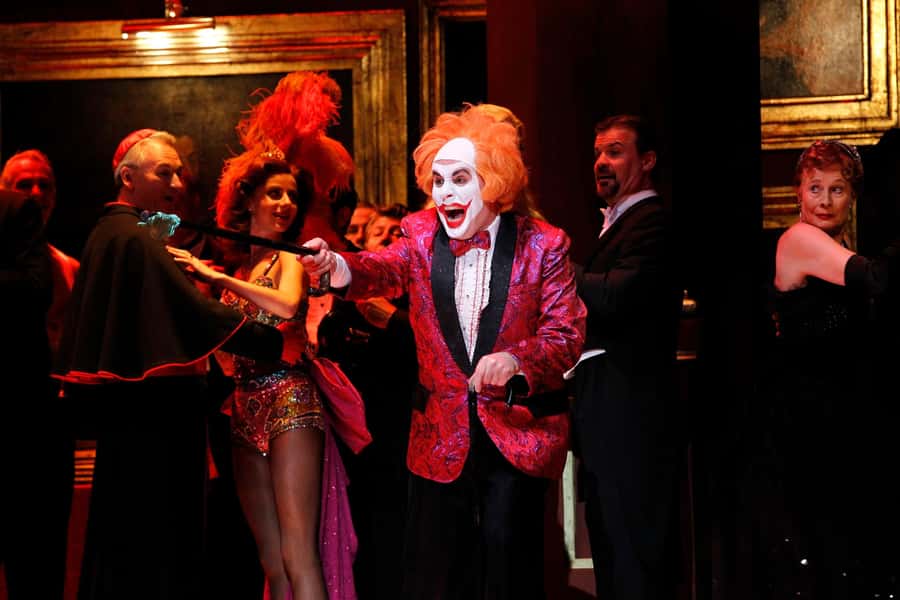
What I like most is the way this production leans into visual storytelling without slowing the action. The glamorous La Dolce Vita–inspired sets and costumes, plus a scene-stealing Fiat 500, give you something to watch even when the plot gets dark. And the casting choices matter: Italian conductor Sesto Quatrini makes his Opera Australia debut here, while Dalibor Jenis returns as the tortured jester at the center of the tale.
One drawback to plan for: the show includes sexual violence, violence against women, and strobe lighting effects. If you’re sensitive to those topics (or light effects), double-check whether this is the right night for you.
In This Review
- Key things that make this Rigoletto worth your attention
- Why this Verdi revenge story lands so well at the Opera House
- The staging: La Dolce Vita sets, a revolving world, and a Fiat 500 moment
- Cast and music: Sesto Quatrini, Dalibor Jenis, Kang Wang, and Gemma Nha
- Getting to the Sydney Opera House and finding your way inside
- What the 165 minutes actually feels like (with one interval)
- Stage rules: dress comfortably, store big items, and leave phones alone
- Content note: strong material and the “use your judgment” moment
- Price and value: is $98 per person “worth it”?
- Who should book this (and who might want a different plan)
- Should you book Rigoletto at the Sydney Opera House?
- FAQ
- Where is the performance located?
- How long is the Rigoletto performance?
- How much are tickets?
- Is there a dress code?
- Are photos or recordings allowed during the show?
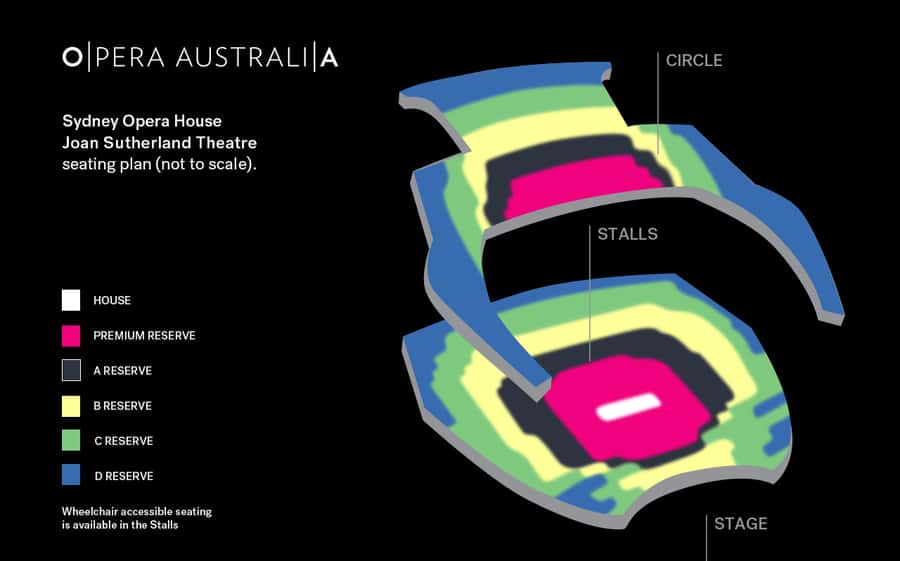
- Is the venue wheelchair accessible?
Key things that make this Rigoletto worth your attention
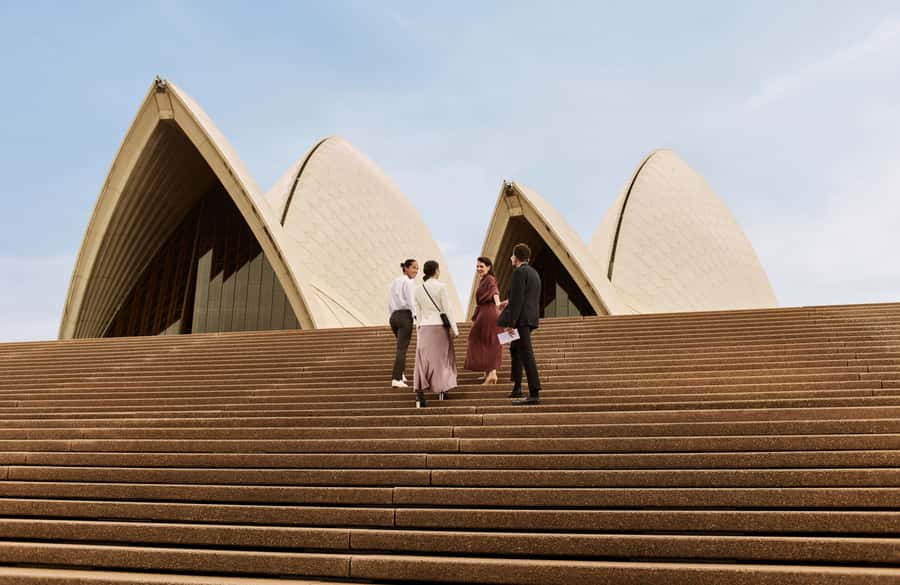
- Sydney Opera House, inside the Joan Sutherland Theatre: iconic setting, not just a photo stop
- La Dolce Vita styling with cinematic staging: glamour on the outside, revenge underneath
- A revolving dolls-house style set: scenes shift with a “film cut” feel
- Fiat 500 detail: a surprising prop that becomes a visual anchor
- Verdi’s famous melodies come with history: including La donna è mobile and the story behind it
Why this Verdi revenge story lands so well at the Opera House
Verdi’s Rigoletto is basically a tragedy built from cause and effect. A father’s curse sets the tone, and a daughter’s fate pulls it tight. The characters are tangled in loyalty, devotion, lust, and revenge, and the opera doesn’t waste time getting to the emotional point.
What makes it work so hard for visitors is the contrast. At the Sydney Opera House, you’re surrounded by world-class craft and clean sightlines—then the story delivers something much messier. So even if you’re not an opera diehard, you still get pulled in by the stakes and the sheer musical pull. And yes, you’ll likely hear at least one “oh, I know this tune” moment. Verdi designed it that way: the premiere cast was kept under strict secrecy, and even the tenor wasn’t allowed to whistle La donna è mobile outside rehearsals.
That little tidbit matters because it explains why the melody feels so instantly familiar. It wasn’t just written well—it was treated like something that would spark public attention the next day. The morning after the triumphant premiere, that tune reportedly rang out in the streets. That’s a strong clue about what to expect: this isn’t background music. It’s music with instant recognition baked in.
You can also read our reviews of more tours and experiences in Sydney.


The staging: La Dolce Vita sets, a revolving world, and a Fiat 500 moment
This production returns with Elijah Moshinsky’s much-loved approach, and you can see the care in the visual design. The sets and costumes take inspiration from La Dolce Vita, so the world of the Duke looks glossy and theatrical—until you realize that surface is part of the trap.
The set design is especially memorable. Instead of a static backdrop, you get a revolving dolls-house style environment. That means the stage picture changes in a way that feels almost like cinematic editing. Scenes don’t just start; they “shift,” and that helps the story stay clear even when you’re processing complex relationships.
Then there’s the Fiat 500, which the production leans on as a scene-stealing detail. It might sound like an odd thing to spotlight in a tragedy, but that’s the point: the Duke’s world is flashy, and this prop (and the styling around it) supports that feeling. You’ll probably end up noticing it more than you expect, and that’s a good sign—you’re engaged.
If you like theatre that uses design to explain story beats, this is the kind of opera you’ll enjoy. The look isn’t just for show; it helps you track where the characters are psychologically, not only geographically.
Cast and music: Sesto Quatrini, Dalibor Jenis, Kang Wang, and Gemma Nha
The music is where your evening really gets its engine. This performance is led by Italian conductor Sesto Quatrini, in his Opera Australia debut for this production. A conductor’s job here isn’t only to keep time; it’s to shape mood—especially in Verdi, where intensity changes fast.
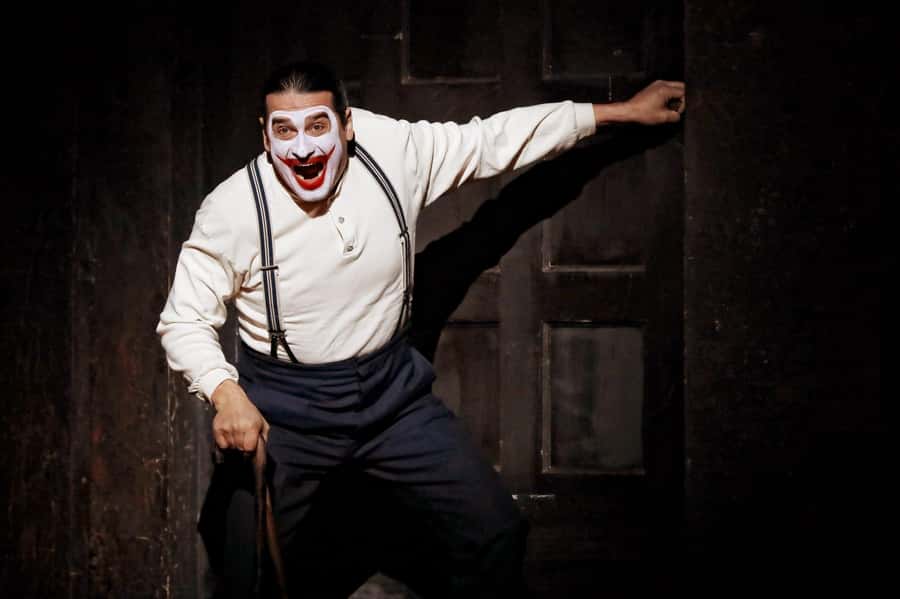
In the role of the jester, Dalibor Jenis reprises his acclaimed performance as the tortured heart of the story. That matters because the jester isn’t just comic relief. He’s the moral pressure point, and in Rigoletto, your emotions depend on how convincingly you feel the character’s pain and control slipping away.
The Duke is handled by Kang Wang. The Duke’s character needs charm that turns uncomfortable, and in this opera that shift is part of the cruelty. A good Duke role doesn’t just sing well—it makes you understand why others get pulled toward him.
And as the jester’s daughter, Gemma Nha appears as a rising star. Her role is where the father’s love and fear become visible, and it’s often where audiences feel the strongest emotional weather.
If you’re choosing this performance as a first opera experience, this kind of cast lineup is a smart bet. You’ll likely get clarity on the story through performance intensity, not only through plot summaries.
Getting to the Sydney Opera House and finding your way inside
You’ll want to treat this like an evening event, not a casual walk-in show. The Sydney Opera House is about a 10-minute walk from Circular Quay, where you’ll find ferries and lots of train and bus options. That makes the start easy if you’re already sightseeing around the harbor.
For taxis, you can drop off at the roundabout at the end of Macquarie Street. After the performance, taxis can be hailed at the taxi stand at the end of Macquarie Street.
Your meeting point is the Joan Sutherland Theatre, Level 1. Arriving a bit early is smart here because doors close at show time, and ushers may not allow latecomers in until there’s an appropriate pause in the performance. Translation: don’t plan to sprint in at the last second.
One review-related detail that’s worth your attention: some people found there was an obligation to come about an hour before to pick up tickets, which felt like lost time. You can’t control that rule from here, but you can control your schedule. If you’re flying in or have tight plans, build in extra buffer so the pre-show doesn’t stress you out.
Also, if you’re carrying anything larger than an A4 sheet of paper (21cm x 30cm), you’ll need to cloak it. The cloakroom is free, so don’t make this harder than it needs to be.
What the 165 minutes actually feels like (with one interval)
The running time is approximately 2 hours and 45 minutes, including one interval. That’s a classic opera length, which is helpful because you can plan your night around it. If you’re taking an early dinner, you’ll want it finished before you head in—because opera isn’t designed for eating mid-show.
Here’s the rhythm you can expect:
- The opera begins, and you’ll quickly feel how the drama builds through music and staging
- As the story develops, the revolving dolls-house set keeps the visual energy moving scene to scene
- Then you’ll hit the one interval, when it’s totally reasonable to stretch your legs and get some air
- After the interval, the intensity ramps further as the story closes in on its darker turns
The production note is important: the show contains violence against women and includes strobe lighting effects. If you’re worried about the lighting part, sit in a position that feels comfortable for you and consider whether you want to take breaks during the interval if you need them.
- Blue Mountains Small-Group Tour from Sydney with Scenic World,Sydney Zoo & Ferry
★ 5.0 · 3,709 reviews

Stage rules: dress comfortably, store big items, and leave phones alone
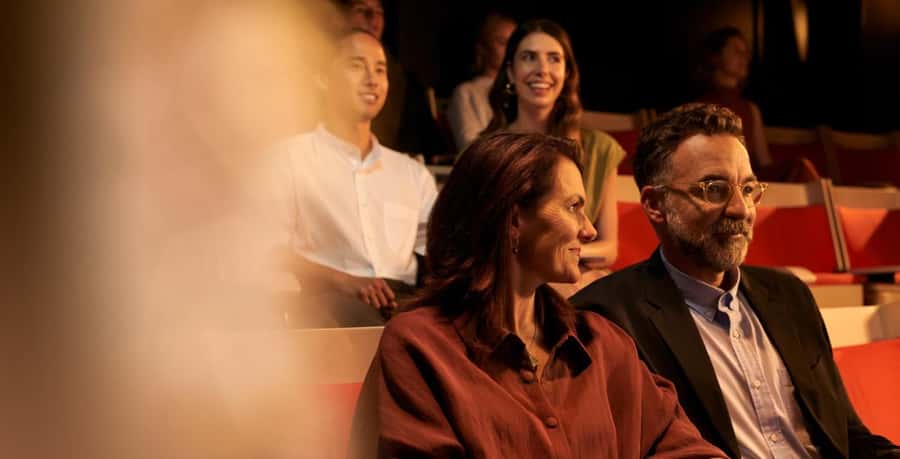
You don’t need to dress up in a formal way. There’s no mandatory dress code, but I do recommend an extra layer—opera theatres can run cool, and you’ll be in your seat long enough to notice.
Photo and recording rules are strict during the performance. You’re not allowed to take photographs, record audio, or film while the opera is happening. The good news: you can take photos before and after, and at the interval.
So if you want Opera House memories, take them when permitted—then switch fully into show mode. The atmosphere is part of what makes these nights feel special.
Content note: strong material and the “use your judgment” moment
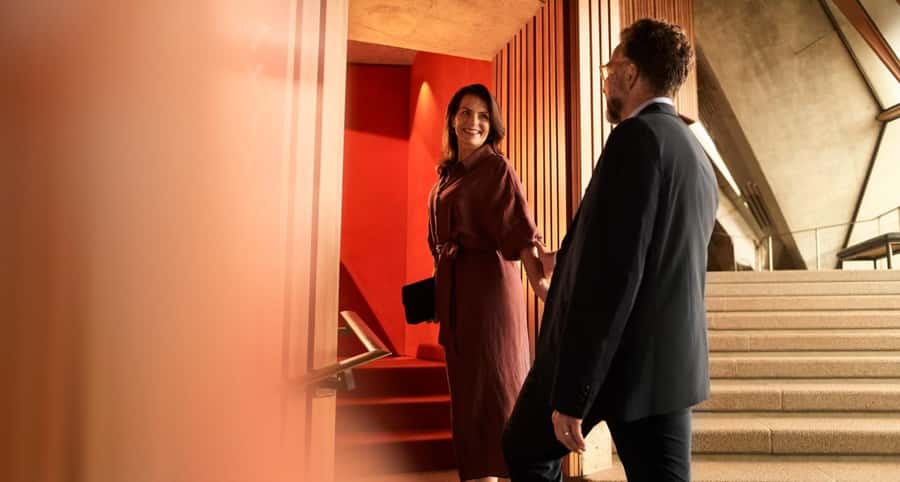
This isn’t a lighthearted romantic opera. This production explicitly notes sexual violence and violence against women, and it also mentions strobe lighting effects. I’d treat that as essential trip information, not a footnote.
If you’re going with someone who might be sensitive, talk about it before you buy. Decide together whether you’re comfortable with the subject matter and the lighting. And if you need a plan for leaving early, make sure you know where exits are so you don’t waste time figuring it out in the moment. (The venue will have staff to help, but planning makes you calmer.)
If you’re okay with serious material and want an opera that doesn’t soften the edges, this is the kind of evening that delivers true emotional weight.
Price and value: is $98 per person “worth it”?

At around $98 per person, this isn’t a budget activity—but it is good value for what you’re actually getting: a full 165-minute opera in one of the world’s most famous theatres, with Opera Australia involved and a cast led by named performers and a conductor making an Opera Australia debut.
The cost makes more sense when you compare it to what you’d pay for a similar evening with comparable production scale in a major city. Here, the venue matters. And the production details matter too: La Dolce Vita–inspired sets, a revolving stage design, and a scene-stealing prop aren’t common extras in all opera productions. You’re paying for the real “event” experience.
To make the value even better, go in expecting you’ll spend the time. Don’t treat it like a quick stop on a trip. Book it as the anchor of an evening.
Food and drinks aren’t included, so budget separately if you want a meal before or after. Parking and transportation aren’t included either, so plan how you’ll get there—especially since the theatre is close to Circular Quay and taxis have a clear pickup/hail rhythm after the show.
Who should book this (and who might want a different plan)
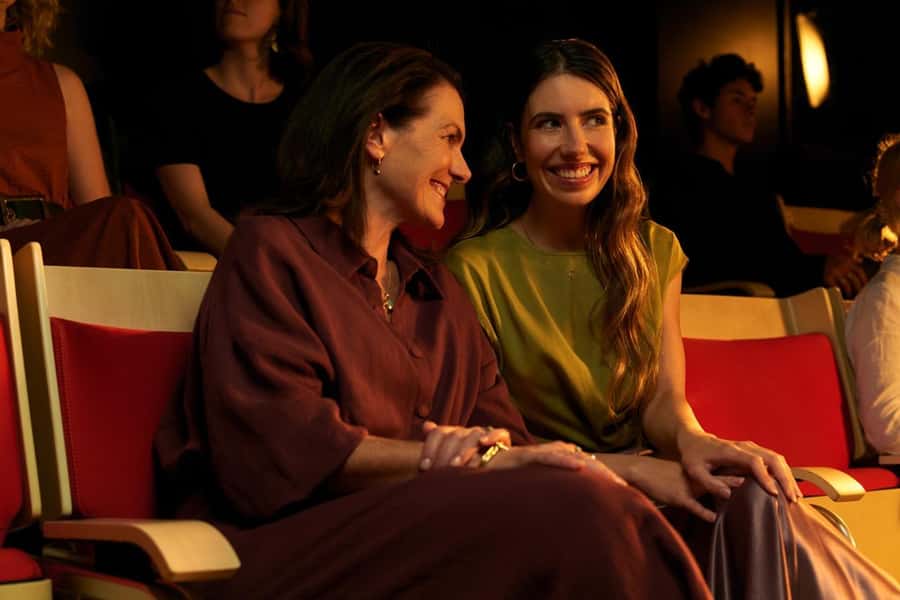
This Rigoletto is a great match if you:
- Want a first-class Sydney Opera House evening
- Like Verdi’s mix of memorable melodies and dark drama
- Enjoy productions that use staging design to track story and mood
- Are comfortable with mature themes and can handle strobe lighting effects
It might not be the right pick if:
- You’re sensitive to violence against women or sexual violence themes
- You have strong concerns about strobe lighting effects
- You’re hoping for something light or purely entertaining without heavy content
If your travel style is “one big cultural night” plus a few relaxed sightseeing hours before, this fits well. If you like opera but prefer smaller, quieter venues, you might find the Opera House scale a little intense—but for most people, the grandeur is part of the payoff.
Should you book Rigoletto at the Sydney Opera House?
Yes—if you’re ready for a serious Verdi tragedy in a top-tier setting. I’d especially recommend it if you’re coming to Sydney and want one evening that feels unmistakably “Sydney,” not just a generic cultural stop. The combination of Opera Australia’s production, Verdi’s instantly gripping melodies, and visually clever staging (that revolving dolls-house look plus the Fiat 500 detail) gives you a lot for your time.
Book with eyes open, though. The content is heavy, and the show includes strobe lighting effects. If that’s a concern, pick another night or another production that matches your comfort level.
If you want, tell me your travel dates and whether you’re more into the music side or the story side. I can help you choose the best kind of seat strategy and plan what to do before and after the show.
FAQ
Where is the performance located?
The performance meets at the Joan Sutherland Theatre, Level 1, Sydney Opera House.
How long is the Rigoletto performance?
It runs for approximately 165 minutes (about 2 hours and 45 minutes), including one interval.
How much are tickets?
The price is $98 per person.
Is there a dress code?
There is no mandatory dress code, but it’s recommended to bring an extra layer for comfort.
Are photos or recordings allowed during the show?
No. Photography, sound recording, or any kind of filming isn’t permitted during the performance. Photos are welcome before and after the show and at the interval.
Is the venue wheelchair accessible?
Yes, the activity is wheelchair accessible.
You Might Also Enjoy




More Tour Reviews in Sydney
- Blue Mountains Small-Group Tour from Sydney with Scenic World,Sydney Zoo & Ferry
★ 5.0 · 3,709 reviews