A couple hours can still change how you see a city. This Sydney side-streets walking tour mixes harbourside icons with quiet lanes, street art, and old buildings you’d miss on your own. You also get photos during the walk, plus a coffee stop that breaks up the legs.
I especially love the way the route threads together Sydney’s colonial layers with the city you see today—Customs House, Loftus Lane, Bridge Street, and more. Another standout is the storytelling energy from guides such as Doug, Leigh, Amy, Stacey, and Lee, who tend to make the history feel human, not dusty.
One thing to consider: it’s a rain-or-shine walk on comfortable-shoe pace. If you hate being outside in light drizzle, bring a rain layer and stay flexible.
In This Review
- Key Things You’ll Notice on This Walk
- From Circular Quay to Loftus Lane: the story starts at Customs House
- Bridge Street and the colonial spine of the city
- Angel Place’s Forgotten Songs: the street-art moment that hits
- Martin Place to Hyde Park: civic Sydney, then a green reset
- St James Church and Francis Greenway: old architecture with serious survival
- Queen Victoria Building (QVB): what 19th-century design feels like in motion
- Darling Harbour and Chinatown finish: keep going after the tour
- Price, pace, and how this tour fits your travel style
- Should You Book the Sydney Hidden Gems Walking Tour?
- FAQ
- How long is the Sydney Hidden Gems Walking Tour?
- Where do I meet the guide?
- What’s included in the ticket price?
- Is the tour wheelchair accessible?
- What should I bring?
- Will the tour run in rain?
- Where does the tour end?
Key Things You’ll Notice on This Walk
- Angel Place’s Forgotten Songs: suspended birdcages you’ll actually stop for
- Customs House to Loftus Lane: where maritime Sydney meets early settlement stories
- Bridge Street and old administration buildings: political and architectural history in plain sight
- Martin Place to Hyde Park: civic Sydney, war memorials, then a leafy pause
- QVB and the ending in Darling Harbour + Chinatown: architecture by day, food ideas by night
From Circular Quay to Loftus Lane: the story starts at Customs House
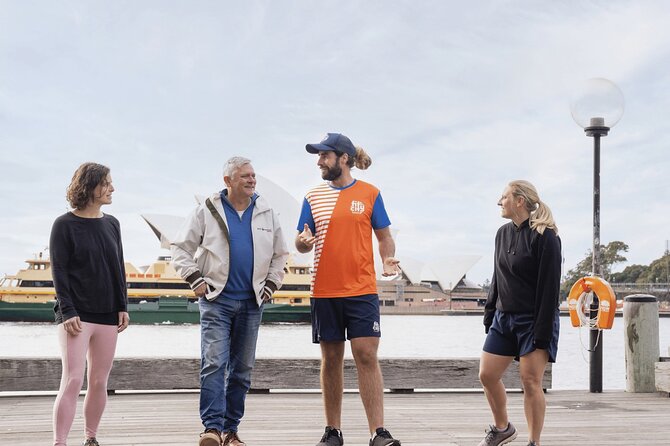
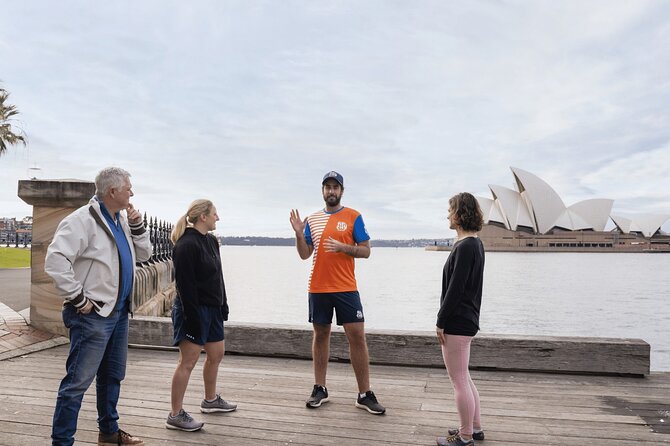
Most Sydney walks start with the obvious views. This one starts with the right kind of context. You meet outside Customs House at Circular Quay, which is a perfect gateway between the harbour’s early days and the city life that now surrounds it.
From there, you move toward Loftus Lane, where restored sandstone façades and colonial-era architecture set the tone. This isn’t just pretty stone. Your guide frames it as a living reminder of how the harbour shaped early settlement—maritime work, convict-era beginnings, and how this area eventually turned into a major global city. It’s the kind of orientation that helps the rest of your trip make sense.
Tip for your photos: linger a moment at street level instead of only aiming for skyline shots. Loftus Lane rewards you for looking down at the details—doorways, textures, and the lines of older buildings.
You can also read our reviews of more walking tours in Sydney
Bridge Street and the colonial spine of the city
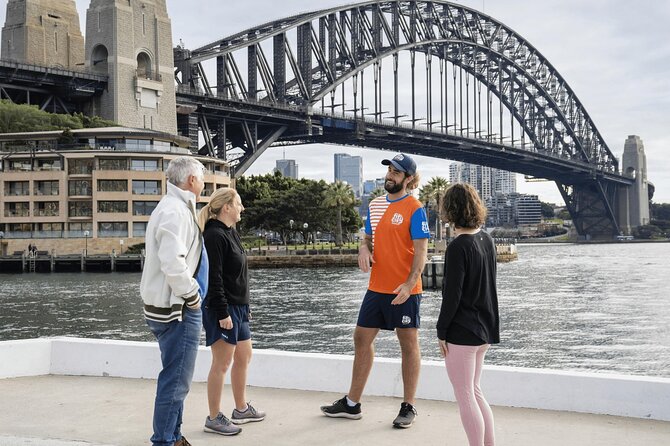
Next up is Bridge Street, lined with stately government buildings and that old-world feel you get when administration and architecture grow up together. This stretch is often overlooked because it sits in the shadow of bigger landmarks. On this tour, it becomes a walk through how Sydney’s early systems worked—who built what, and why these buildings mattered.
You also spend time in the general area of historic churches and arcades during the walk. The arcades matter because they show Sydney’s softer side: covered walkways, commercial life, and that 19th-century style of getting around before everything became motorway-sized.
If you’re the kind of person who likes a city map in your head, this segment helps. You’re basically building a mental skeleton of “where power sat” and “how people moved,” and then later spots like QVB feel less random.
Small caution: you’ll be walking through central streets that can have stop-and-go traffic around you. It’s not a problem, but it does mean you’ll want your camera ready and your pace steady.
Angel Place’s Forgotten Songs: the street-art moment that hits
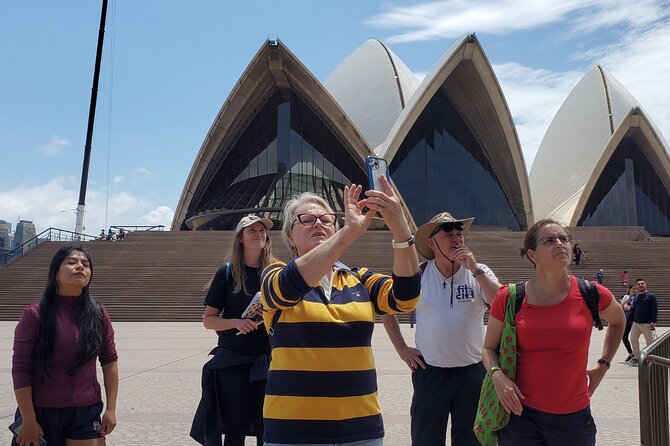
Then you get the kind of stop that makes you glad you booked a walking tour instead of just hopping from viewpoint to viewpoint.
Angel Place is the hidden laneway part of the day. The highlight here is an art installation called Forgotten Songs, made of suspended birdcages. It’s a striking visual in daylight—and your guide also points out how it looks at night, when lighting makes the installation feel even more haunting.
What I like about this stop is that it’s not just a photo op. The installation connects to native bird species that once filled Sydney with song before the city’s development changed the soundscape. So yes, you’ll take pictures. But you’ll also leave with a different way of thinking about what the city replaced—and what still survives.
If you’re traveling with kids, this is a solid “attention-retaining” moment. If you’re traveling solo, it’s a good pause where the guide’s story and your own curiosity meet.
Martin Place to Hyde Park: civic Sydney, then a green reset
After Angel Place, you shift into Martin Place. Expect imposing sandstone facades, war memorials, and the sense of Sydney as a place where decisions happen and public life plays out.
This part gets practical as well as historical. Your guide ties Martin Place to real civic moments—ceremonies, major protests, and even film shoots. It’s a reminder that the streets aren’t just old. They’re still active stages for modern Australia.
From there, you move into Hyde Park, which is a quieter contrast—Australia’s oldest public park. This is your “legs can breathe” section. Leafy avenues and monuments break the harder city rhythm and make it easier to absorb everything you’ve heard so far without feeling like you’re stuck in traffic heat.
This is also a good time to hydrate. The tour route includes water taps along the way, and there are toilets on the course, which matters when you’re out for about 150 minutes and you don’t want to keep hunting.
St James Church and Francis Greenway: old architecture with serious survival
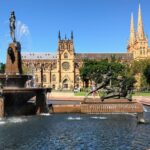
A standout architectural stop is St. James Church, described as the oldest surviving church building in Sydney. The tour also flags its design by convict architect Francis Greenway, which adds weight to what you’re seeing.
Georgian architecture has a specific look—order, proportion, and a calm, solid feel. On the walk, this church works because you’re not treating it as a standalone landmark. You’ve already heard how convict-era and early-settlement decisions shaped the city, so Greenway’s role lands better.
One practical note: churches can have rules around photos or behavior. You’ll want to follow the guide’s cues, and if interior access isn’t part of the experience, that’s normal. The value here is how your guide reads the building’s place in Sydney’s timeline.
- Blue Mountains Small-Group Tour from Sydney with Scenic World,Sydney Zoo & Ferry
★ 5.0 · 3,709 reviews
Queen Victoria Building (QVB): what 19th-century design feels like in motion
Near the end, you reach the Queen Victoria Building (QVB)—a 19th-century architectural jewel with sweeping staircases and stained glass. If you’ve ever walked past QVB quickly to get somewhere else, this is the time to slow down.
QVB’s commercial past makes it more interesting than “pretty building” trivia. It shows you how Sydney used grandeur to make shopping, movement, and public life feel special—long before modern malls took over.
Also, being on a guided walk helps you notice details you might otherwise miss: how stairs pull you upward, how natural light and glass change what you see, and how the space feels built for lingering. Even if you don’t plan to shop, you’ll come away with a better feel for the city’s design language.
Darling Harbour and Chinatown finish: keep going after the tour
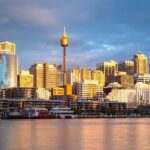
The tour concludes in Darling Harbour and Chinatown, which is a smart choice. You finish where you can naturally keep your day going—food options, people-watching, and multicultural streets that make Sydney feel like more than its postcard skyline.
This ending works especially well if you’re planning dinner on foot. You’re not left stranded back at a single landmark. You’re dropped into an area where you can choose your next move based on what you feel like eating.
If you still want “one more photo walk” after this, you’ll have plenty of textures to use—signage, storefront details, and street life.
Price, pace, and how this tour fits your travel style
At $68 per person for about 150 minutes, this is priced like a serious guided experience, not a casual meetup. You’re paying for three value drivers that matter on the ground: a guide, photos taken during the tour, and a mid-tour coffee (or alternative) at a tucked-away café.
You’re also getting a small-group format, limited to 10 participants. That usually means you can ask questions without feeling like you’re interrupting a script. You’ll likely get more back-and-forth, and the pace stays “casual walk” rather than “tour sprint.”
How strenuous is it? It’s described as a casual walk, and the route includes practical breaks and amenities (toilets and water taps). Still, treat it like city walking. Wear comfortable shoes, and don’t plan to treat this as a barefoot souvenir adventure.
Who should book this?
- First-time visitors who want context beyond big-ticket sights
- Repeat visitors who think they already know Sydney but want laneway detail
- Anyone who likes street art, colonial architecture, and city stories in one route
- Locals looking for a fun way to see the centre with fresh eyes
Who might skip it?
- If you only want iconic harbour viewpoints and nothing else
- If you’re traveling with mobility needs that make 2.5 hours of walking tough (it is listed as wheelchair accessible, but you’ll still want to consider comfort and route conditions)
Should You Book the Sydney Hidden Gems Walking Tour?
If you’re the type who reads a city better by walking it—quiet lanes, older buildings, and the little visual surprises—then yes, book it. The mix of Angel Place’s Forgotten Songs, major civic landmarks like Martin Place, and architecture stops like St James Church and QVB gives you variety without turning the day into a checklist.
Do it if you want a guide-led experience that feels friendly, with storytelling that makes the streets stick in your head. I’d say it’s also a great mid-trip activity: after this, you’ll be able to point out why Sydney looks the way it does.
Do it with the right expectations: this is a walk first, with history threaded through the buildings. Bring good shoes, a camera, and a weather layer. Then let the side streets do their job.
FAQ
How long is the Sydney Hidden Gems Walking Tour?
The tour runs for 150 minutes (about 2.5 hours).
Where do I meet the guide?
You meet outside the front of Customs House at Circular Quay.
What’s included in the ticket price?
Included are a tour guide, all photos taken during the tour, and a mid-tour coffee (or alternative). Food and additional drinks are not included.
Is the tour wheelchair accessible?
Yes, the tour is listed as wheelchair accessible.
What should I bring?
Bring comfortable shoes and a camera (plus comfortable clothes).
Will the tour run in rain?
Yes, it runs in rain or shine. The tour only cancels for thunderstorms.
Where does the tour end?
The tour concludes in the Darling Harbour and Chinatown area.
You Might Also Enjoy




More Walking Tours in Sydney

More Tours in Sydney
- Blue Mountains Small-Group Tour from Sydney with Scenic World,Sydney Zoo & Ferry
★ 5.0 · 3,709 reviews
More Tour Reviews in Sydney
- Blue Mountains Small-Group Tour from Sydney with Scenic World,Sydney Zoo & Ferry
★ 5.0 · 3,709 reviews