REVIEW · SYDNEY
Sydney: Eugene Onegin at Sydney Opera House
Book on GetYourGuide →Operated by Opera Australia · Bookable on GetYourGuide
A great opera can make time feel personal. Eugene Onegin at the Sydney Opera House brings Tchaikovsky’s memory-and-regret story to life with a production that spotlights flashbacks and hard choices. I especially love how the drama keeps circling back to what one moment can steal, and what another moment can’t fix. One thing to plan for: the show includes replica firearms and gunshots, so it’s worth considering your comfort level.
Tatyana’s dreaminess gives you a soft entry point, then the music tightens around the consequences. I also love that this staging leans into reminiscence, turning the story into something you can feel building—scene by scene—until it lands like a verdict. If you’re hoping for a relaxed night with no emotional punch, this isn’t that kind of opera.
In This Review
- Key Things to Know Before You Go
- Why Eugene Onegin Feels Right at Sydney Opera House
- Getting There: Circular Quay, Ferries, and Taxi Drop-Off Choices
- Before Curtain: What to Bring and the Cloakroom Rule
- Inside Joan Sutherland Theatre: A 2-Hour-50-Minute Night with One Interval
- The Story at the Center: What Eugene Onegin Is Really About
- The Flashback Style: How the Production Uses Memory as Drama
- The Music and the Mood: Tchaikovsky’s Romantic Power
- Cast and Conductor: Lauren Fagan, Bondarenko, Nicholas Jones, Anna Skryleva
- Surtitles, Seat Sense, and How to Follow Without Losing the Moment
- Safety Note: Replica Firearms and Gunshots
- Value Check: Is a $98 Ticket a Smart Buy?
- Should You Book Eugene Onegin at Sydney Opera House?
- FAQ
- What language is Eugene Onegin performed in?
- How long is the performance?
- Where is the meeting point inside the Sydney Opera House?
- What should I bring with me?
- Is photography allowed during the show?
- Does the production include firearms or gunshots?
Key Things to Know Before You Go
- Flashback-driven storytelling: the production uses memory to show younger choices and later regret.
- Russian performance with English surtitles: you’ll follow the plot without needing to read Russian.
- A major Opera Australia production: direction by Kasper Holten and conducting by Anna Skryleva on debut.
- Standout casting: Lauren Fagan returns, joined by Andrei Bondarenko and Nicholas Jones.
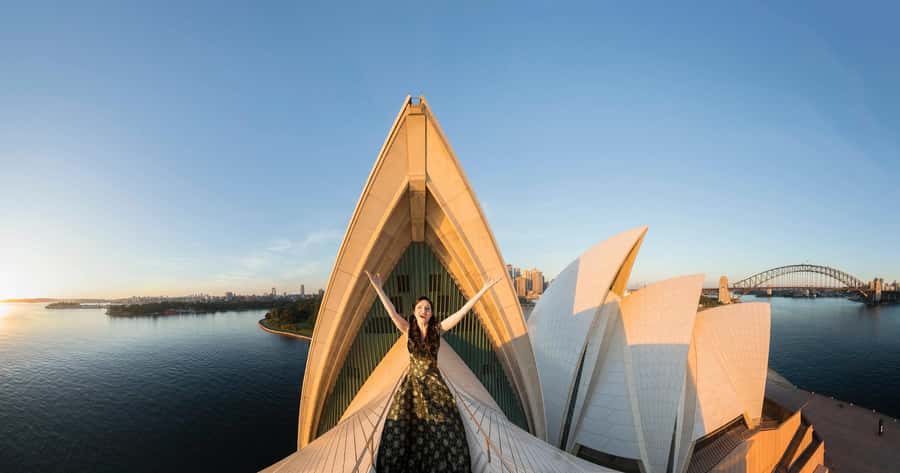
- Opera House-first experience: Joan Sutherland Theatre is the stage, and Sydney’s most famous building is the setting.
- Stage effects include gunshots: replica firearms and gunshots appear in the performance.
Why Eugene Onegin Feels Right at Sydney Opera House
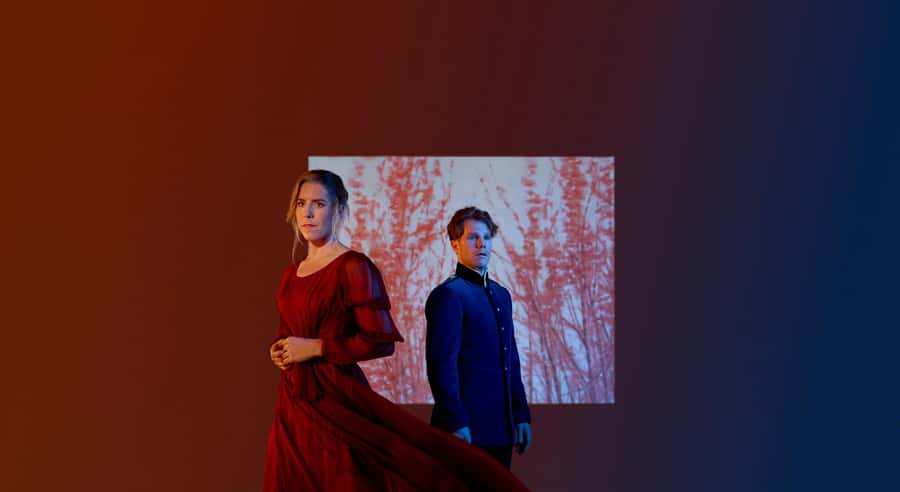
If you’re going to see a major Russian opera in Sydney, this is the place. The Sydney Opera House has a way of making “special occasion” feel natural, not forced. And Eugene Onegin is tailor-made for that kind of big-room atmosphere, since it’s a story about longing, timing, and regret.
What makes this version particularly compelling is how it treats memory as the engine of the drama. You’re not just watching characters move through events—you’re watching the past come back with consequences. That approach fits Tchaikovsky’s score, which can sound lush and romantic while still carrying a sense of inevitability.
The emotional goal is clear: to show how one rejection can echo for years, and how later realizations don’t undo earlier damage. If you enjoy opera for stories that grow teeth, this one has them.
You can also read our reviews of more tours and experiences in Sydney.


Getting There: Circular Quay, Ferries, and Taxi Drop-Off Choices

Sydney Opera House logistics are usually painless if you base yourself around Circular Quay. Most buses, trains, and all ferries stop there, and it’s about a 10-minute walk to the Opera House. That’s a great setup when you’re doing more than one thing in the area, since you can arrive from multiple directions.
After the show, taxis can drop you at the roundabout at the end of Macquarie Street, and you can also find a taxi stand at the end of Macquarie Street after performances. If you hate waiting in crowded lines, planning for that post-show pickup can save your evening.
Practical tip: aim to arrive with enough time to settle in before the doors close. Opera houses run on show-time discipline, and you’ll feel it here.
Before Curtain: What to Bring and the Cloakroom Rule
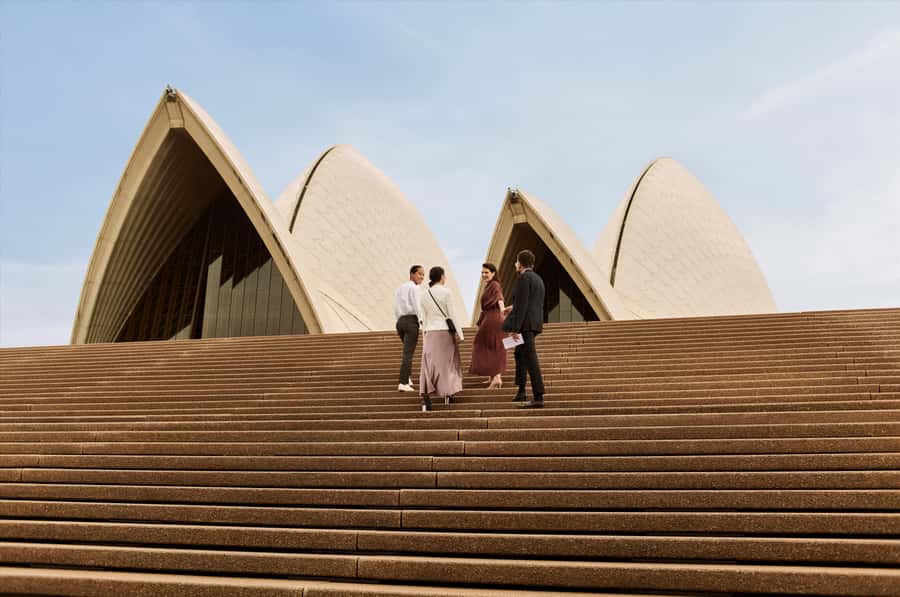
This is one of those nights where small prep makes the experience smoother. You’ll want to bring a passport or ID card. If you’re traveling light, double-check that you have it in your day bag rather than buried in luggage.
For items, the key rule is size-based. Anything larger than an A4 sheet (21 cm x 30 cm) must be cloaked, and the cloakroom is free. That’s useful to know because it can affect how you move through the venue right before the performance.
Weather-wise, there’s no mandatory dress code. Still, it’s smart to bring an extra layer. Opera Houses can feel cool during long programs, and you’ll be grateful when the interval arrives and you want comfort without thinking.
One more timing reality: ushers close the doors at show time. Latecomers may not be allowed in until there’s an appropriate pause in the performance. So don’t treat show start as a suggestion—arrive with a buffer.
Inside Joan Sutherland Theatre: A 2-Hour-50-Minute Night with One Interval
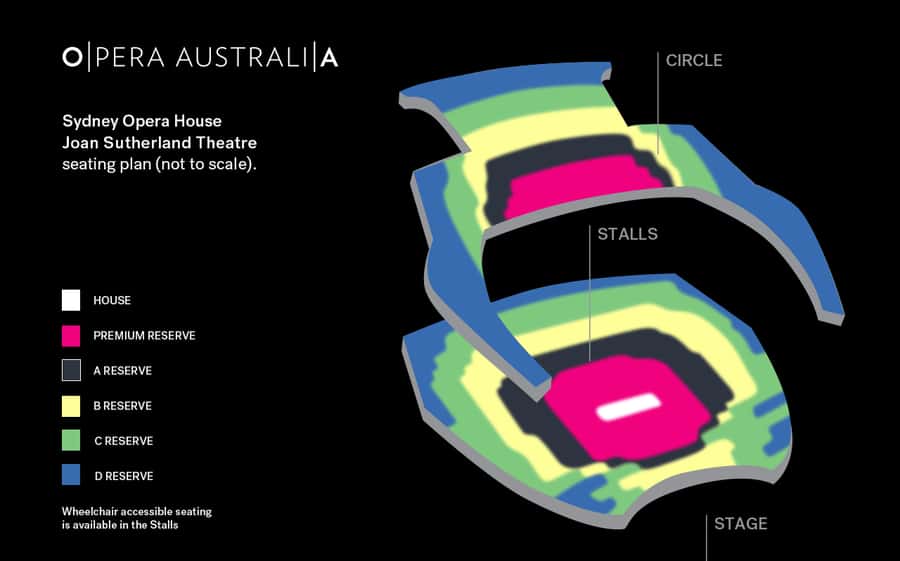
Expect a running time of about 2 hours and 50 minutes, including one interval. That’s long enough for the story to really press in, but not so long that you feel stuck waiting for something to happen. The pacing matters because this production leans on memory and character reflection, which needs time to land emotionally.
The performance is in Russian with English surtitles. That setup is ideal if you like the authenticity of original language, but still want clarity on plot and relationships. You won’t miss the emotional pivots, because surtitles keep the meanings sharp even as the music swells.
Also remember: photography and sound recording aren’t permitted during the performance. You can take photos before and after, and you’re welcome to capture pictures during the interval. If you like documenting nights out, plan your shots early and keep your phone away once the opera starts.
The Story at the Center: What Eugene Onegin Is Really About
Eugene Onegin isn’t simply a love story. It’s a study in reminiscence and regret—how feelings don’t disappear, they just change shape until they hurt. Tatyana begins as a dreamer, living inside romantic stories, and when Onegin enters her world, she believes something new could begin.
Then the turning point: Onegin rejects her passion. That rejection doesn’t just end a romance; it sets the emotional timeline for everything that follows. The opera makes you feel that delay between what people want and what they do, and it asks an uncomfortable question: what if the decision had been different?
Between what could be and what might have been, the opera builds tragedy. And in this production, flashback is used to bring younger versions of the characters back into focus. As memories pile up, the impact becomes cumulative, not sudden. By the time regret is unavoidable, it doesn’t feel like melodrama—it feels like history catching up.
That’s the value for you as an audience member. You’re not just watching a plot. You’re watching cause and effect in musical form.
- Blue Mountains Small-Group Tour from Sydney with Scenic World,Sydney Zoo & Ferry
★ 5.0 · 3,709 reviews


The Flashback Style: How the Production Uses Memory as Drama
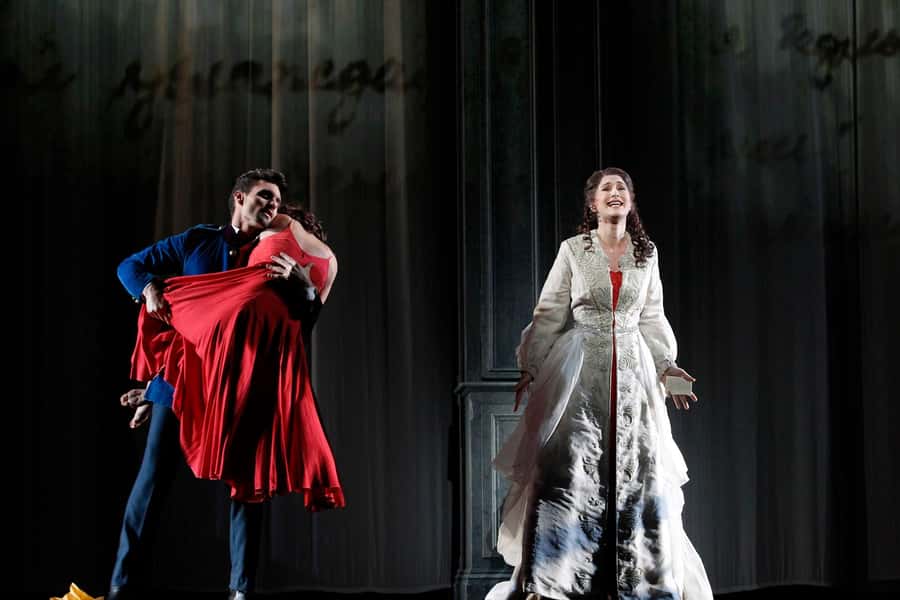
Kasper Holten’s approach puts memory at the forefront. Instead of treating flashbacks as a quick storytelling trick, the production treats them like emotional evidence. You can feel the past returning with weight, as if the characters are forced to confront earlier selves and earlier mistakes.
This matters because it changes how you read every scene. When characters speak, you’re aware that other versions of that conversation have already happened in the past. That creates a sense of tension even when the stage looks calm.
It’s also why the experience can hit hard. The emotional build isn’t only in the music; it’s in the structure. Scenes don’t just progress forward. They echo backward, which is exactly the sort of storytelling match you want for Tchaikovsky.
If you like productions that make you think while also making you feel, this one has that balance. It’s intelligent without turning cold.
The Music and the Mood: Tchaikovsky’s Romantic Power
Tchaikovsky’s score is often described as sumptuous for a reason. It can sound tender, elegant, and romantic, but it also carries a sense of fate. In Eugene Onegin, that combination works beautifully because the story isn’t only about love—it’s about missed chances.
The opera’s emotional temperature shifts as characters move between hope, denial, and realization. And because you’re hearing a famous Romantic score in a world-class hall, the music gets room to breathe. The Opera House isn’t a neutral container here; it’s part of the sound.
You’ll also notice how the music supports the theme of reminiscence. In moments of reflection, the orchestration feels like it’s remembering with the characters. That’s one of the reasons this production’s flashback method feels so effective.
Cast and Conductor: Lauren Fagan, Bondarenko, Nicholas Jones, Anna Skryleva
One of the strongest reasons to book this performance is the combination of talent on stage and in the pit.
Lauren Fagan returns to the stage after her performance in Il Trittico, and she’s a big name for Opera Australia audiences. In Eugene Onegin, she brings a sense of conviction to Tatyana’s inner life—dreamy at first, then pushed into painful clarity.
Andrei Bondarenko plays Onegin. He’s the emotional counterweight: the presence that changes Tatyana’s story from fantasy to consequence. Nicholas Jones takes on Lensky, adding another layer to the relationships and the pressure around decisions.
In the conductor’s seat, Anna Skryleva makes an exciting Opera Australia debut. Conductors shape the emotional pacing of an opera, and in a Romantic score like Tchaikovsky’s, the beat choices can determine whether scenes feel sweeping or strained. Here, the direction and music together aim for the same effect: memory that refuses to stay buried.
If you care about performance quality—big voices, strong leadership, tight ensemble work—this cast-and-conductor lineup is a real selling point.
Surtitles, Seat Sense, and How to Follow Without Losing the Moment
Since the opera is performed in Russian with English surtitles, you’ll be able to follow the storyline without guessing. The trick is not to treat surtitles like homework. Use them for clarity, then let the music do the rest.
Also, watch your expectations about seat assignment. One practical consideration: it isn’t always obvious ahead of time which seats you’ll receive. If your plan depends on being close to the stage or keeping sightlines perfect, double-check how seat selection or assignment works when you book.
When you arrive, take a couple minutes to get oriented before the doors close. If you end up spending the first moments walking, you’ll be distracted just when the opera starts doing its emotional work.
Safety Note: Replica Firearms and Gunshots
This is important. The production includes replica firearms and gunshots. If you’re sensitive to loud effects, or if you’re bringing anyone who may be uncomfortable with sudden sounds, plan accordingly. You can still go, but it’s smart to know what’s coming rather than being surprised mid-scene.
This kind of stage effect can also change the tone in a split second. Eugene Onegin is about feelings, but it isn’t staged as a gentle parlor piece. The drama comes with real-world impact—even when the props are replicas.
Value Check: Is a $98 Ticket a Smart Buy?
At $98 per person, you’re paying for three things at once: a major opera by Opera Australia, Tchaikovsky in a top-tier venue, and a production with recognizable names in direction, conducting, and lead roles.
This isn’t a bargain show. But it also isn’t just a seat in a room. You’re buying the experience of seeing a big Russian opera in the Sydney Opera House, with a story built for that setting. The combination of flashback staging, English surtitles, and a cast that’s designed to handle emotional shifts makes the ticket feel more like a curated night out than a random event.
If you’re in Sydney for a short time, this is the kind of ticket that pays you back. You get a world-famous building plus a serious musical work, all in one go. If you’re unsure you like opera, you might find the length and emotional weight a lot—but if you already know you enjoy it, it’s strong value.
Should You Book Eugene Onegin at Sydney Opera House?
Book it if you want a major opera night where the staging has a point of view. You’ll probably love it if you’re drawn to stories about love and consequence, and if you like productions that use memory and structure to sharpen the tragedy.
Skip it or think twice if loud sound effects could be an issue for you, since the production includes replica firearms and gunshots. Also consider your comfort with long-form performances: it’s about 2 hours and 50 minutes with one interval, so plan for a proper evening out.
If you’re aiming to make Sydney feel iconic without doing the same tourist loop again, Eugene Onegin at the Joan Sutherland Theatre is a very logical choice.
FAQ
What language is Eugene Onegin performed in?
The opera is performed in Russian, with English surtitles displayed during the performance.
How long is the performance?
The running time is approximately 2 hours and 50 minutes, including one interval.
Where is the meeting point inside the Sydney Opera House?
You’ll meet at the Joan Sutherland Theatre, Level 1, at the Sydney Opera House.
What should I bring with me?
Bring a passport or ID card.
Is photography allowed during the show?
No. Photography, sound recording, or any kind of filming isn’t permitted during the performance. You can take photos before and after the performance and during the interval.
Does the production include firearms or gunshots?
Yes. This production features replica firearms and gunshots.
You Might Also Enjoy


More Tour Reviews in Sydney
- Blue Mountains Small-Group Tour from Sydney with Scenic World,Sydney Zoo & Ferry
★ 5.0 · 3,709 reviews