REVIEW · SYDNEY
Sydney: Chinatown Street Food & Culture Guided Walking Tour
Book on GetYourGuide →Operated by Local Sauce Tours · Bookable on GetYourGuide
Street snacks meet real Chinatown stories. This 150-minute guided walk through Sydney’s Chinatown pairs hands-on tasting with clear, friendly context about the Chinese-Australian community and how the neighborhood has changed. You start at a well-known landmark near Paddy’s Markets, then hop across Chinatown streets and into restaurant stops without needing to plan a thing.
I love that you’re promised 4 or 5 regional street-food samples (minimum 4), built to be eaten on the move, so the tour feels like an actual lunch experience instead of a “look but don’t touch” sightseeing loop. I also love the payoff at the end: you leave with a Chinatown “bingo card” plus a guide to where to eat and what to order. The one drawback to consider is that it’s not a sit-down, shade-filled experience; if you’re sensitive to heat or prefer more eating time, the standing/walking pace may feel like a lot.
In This Review
- Key highlights I’d pencil in first
- Entering Chinatown: why this walk works better than a meal
- Finding the start spot fast: Paddy’s Markets and the red gates
- What you’ll eat: 4 or 5 regional street-food samples (no heavy slog)
- The walking sights you’ll actually remember: Friendship Garden and red gates
- The Chinese-Australian story: how Chinatown started and kept evolving
- The guide makes the difference: Justin, Bunny, Eddie, Lucy, and Liz
- The restaurant bingo card: your cheat code for eating after
- Pace, comfort, and heat: plan for a standing-and-walking tour
- Price and value: is $56 worth it?
- Dietary needs: welcome, but message ahead
- Logistics you’ll be glad you checked
- Should you book the Sydney Chinatown street food and culture tour?
Key highlights I’d pencil in first
- 4–5 snack-size regional street foods so you can taste widely without heavy meals
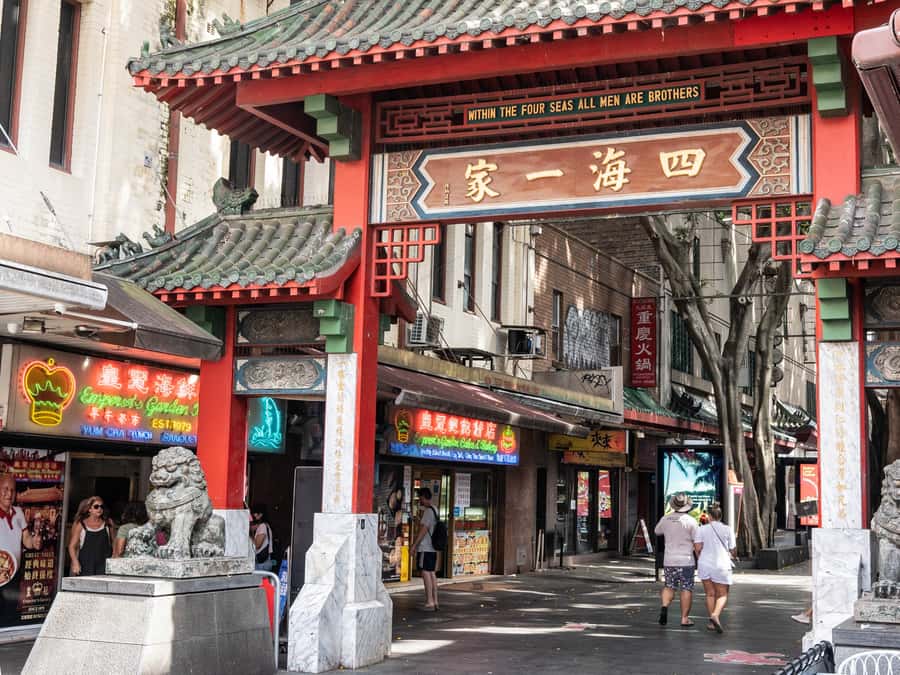
- Friendship Garden and the Chinatown red gates as photo-worthy stops tied to stories
- Interactive Chinese-Australian history that stays fun, not lecture-y
- Restaurant recommendations in a Chinatown bingo card you can use after the tour
- Real guide energy often credited by name (Justin, Bunny, Eddie, Lucy, Liz in past tours)
- Dietary support with clear limits if you message ahead
Entering Chinatown: why this walk works better than a meal
This is the kind of tour that makes sense if you want two things at once: good food and an understanding of where it all fits. Sydney’s Chinatown can look like a simple cluster of restaurants, red gates, and gift shops—but the tour frames it as a place built by people, shaped by arrivals, and still changing today.
The best part is how the experience is structured. You’re not stuck at one restaurant waiting out a full course meal. Instead, you’re walking through the area, stopping for snack-size regional street foods that represent different parts of China, and getting cultural context while you go. That “taste while you learn” rhythm makes the neighborhood easier to remember.
You can also read our reviews of more walking tours in Sydney

Finding the start spot fast: Paddy’s Markets and the red gates
You’ll begin outside Paddy’s Markets, directly across from the southern end of Dixon St mall. The meeting-point directions are unusually specific (which is great), and they matter because Chinatown streets have a lot of crosswalks.
Here’s what to look for to get it right:
- You should be on the side where you can see Emperor’s Garden restaurant (not the hotel)
- You should also be able to spot Covent Garden hotel and the Chinatown red gates in the distance
- If you’re looking across the light rail tracks and the landmarks line up, you’re in the right spot
This is the type of tour where arriving 5 minutes early is smart. You’ll be starting in a busy area, and the guide’s first instructions set the tone for how the next 150 minutes move along.
What you’ll eat: 4 or 5 regional street-food samples (no heavy slog)
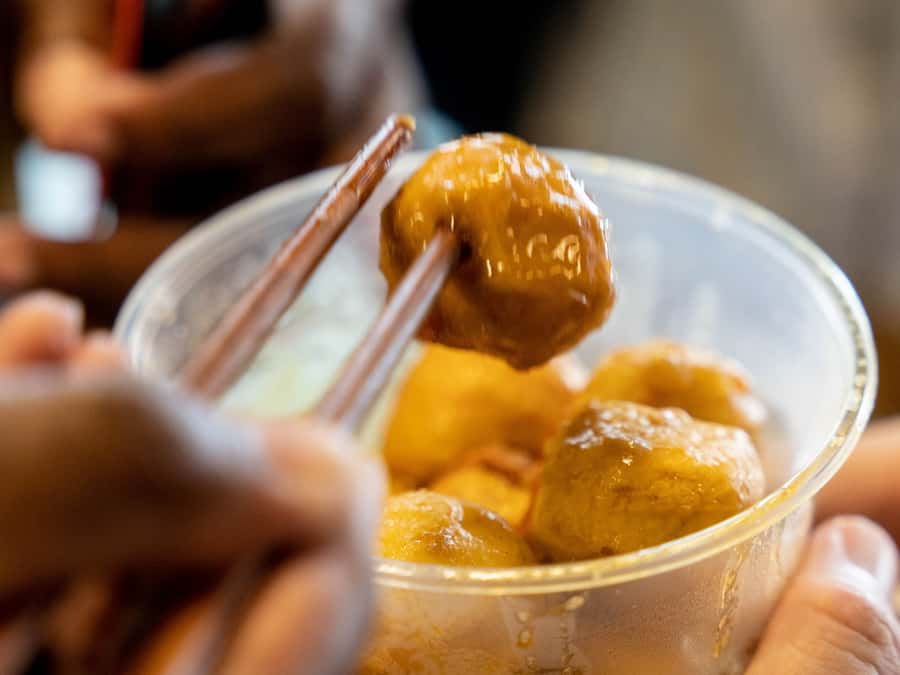
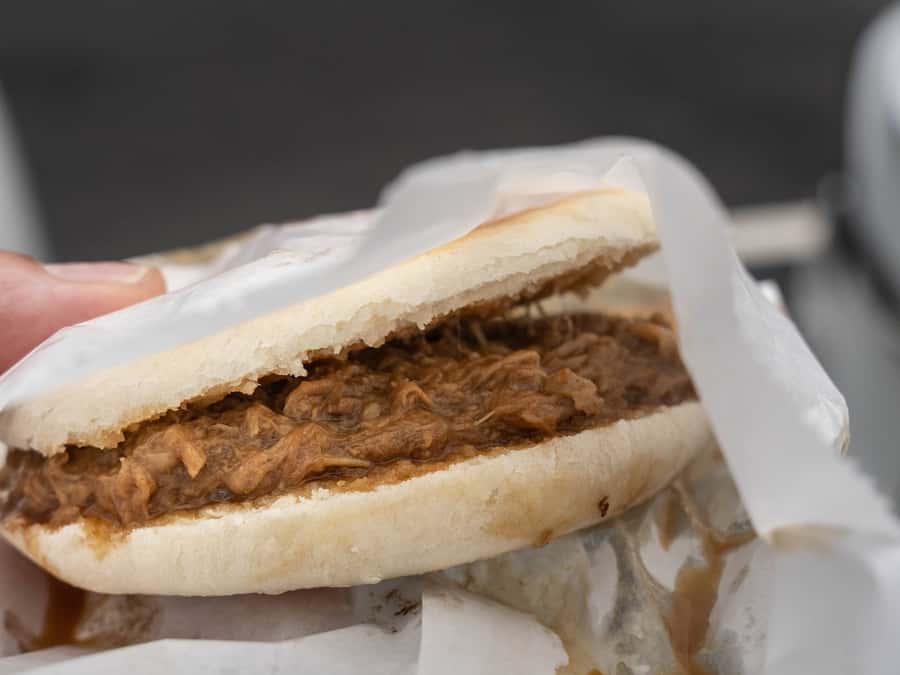
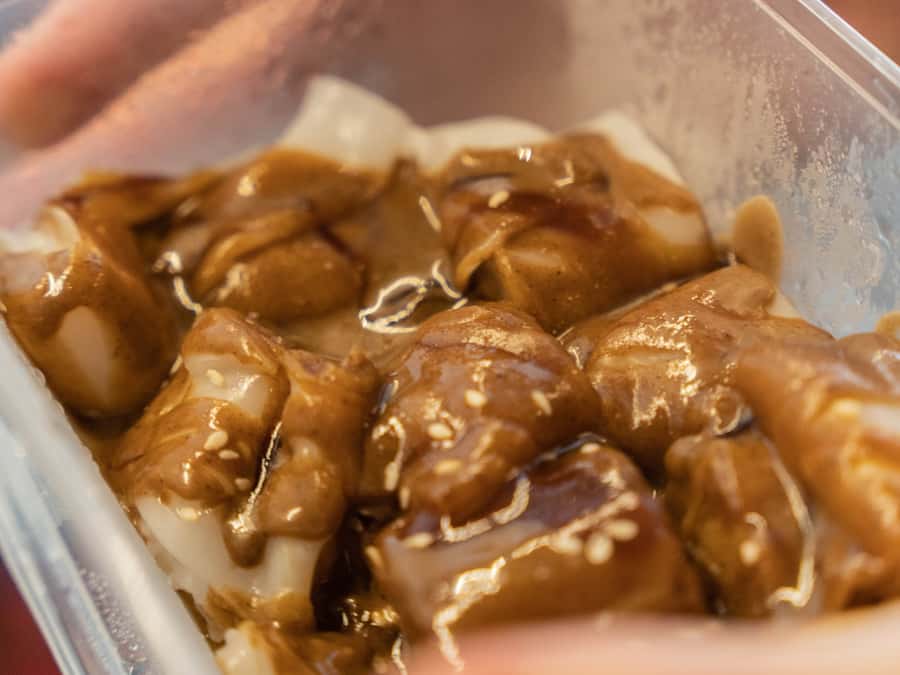
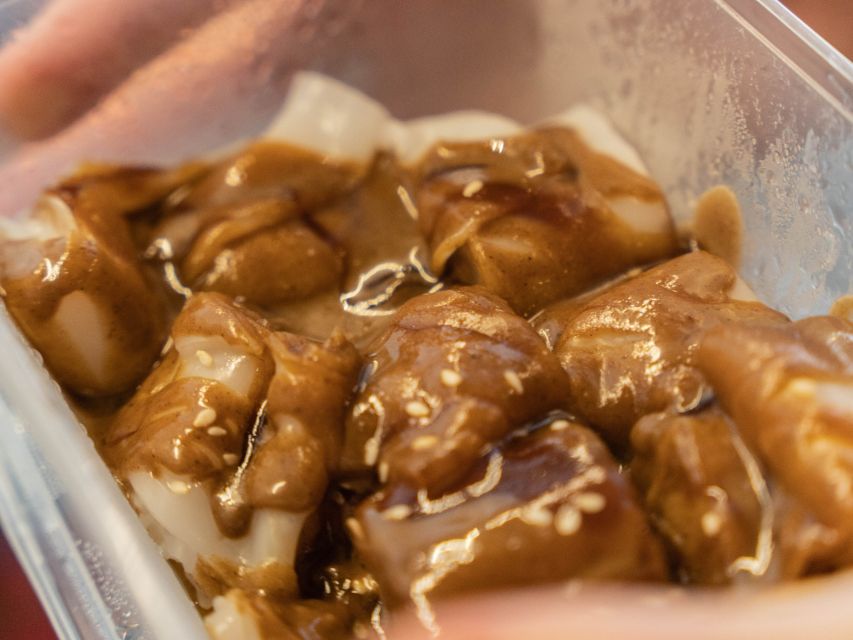
The tour is built around 4 or 5 regional Chinese street foods, with a minimum of 4 samples included. These are snacks designed to be eaten on the move, so you’re not waiting for long orders or sitting through timing gaps.
For most people, the amount lands somewhere around a lunch meal, but it’s intentionally not a “heavy” food tour. That matters because it keeps your energy for the walking portion and prevents the classic problem where a tour turns into a food coma halfway through.
One food highlight that shows up in past experiences is soup dumplings—described as outstanding. The exact menu can vary by day and availability, but the consistent idea is this: you get several small bites across regional styles, not one plate repeated.
If you’re the type who wants a huge meal, treat this as tasting + learning. Then plan a fuller dinner later with your new recommendations.
The walking sights you’ll actually remember: Friendship Garden and red gates
Even if food is the main reason you book, the route is anchored by real, recognizable Chinatown visuals. Two that stand out in the tour description are:
- Friendship Garden
- Chinatown’s red gates
Why this matters: it gives your brain “landmarks” to attach the stories to. Without that, Chinatown history can feel like generic facts in a random order. With these sights, you can connect what you learn to a place you can picture later.
This is also the kind of tour where photos shared after the walk are a bonus. You’re likely to take your own pictures too, but having the guide’s shots later helps you build a mini “map” of where you were and what you saw.
The Chinese-Australian story: how Chinatown started and kept evolving
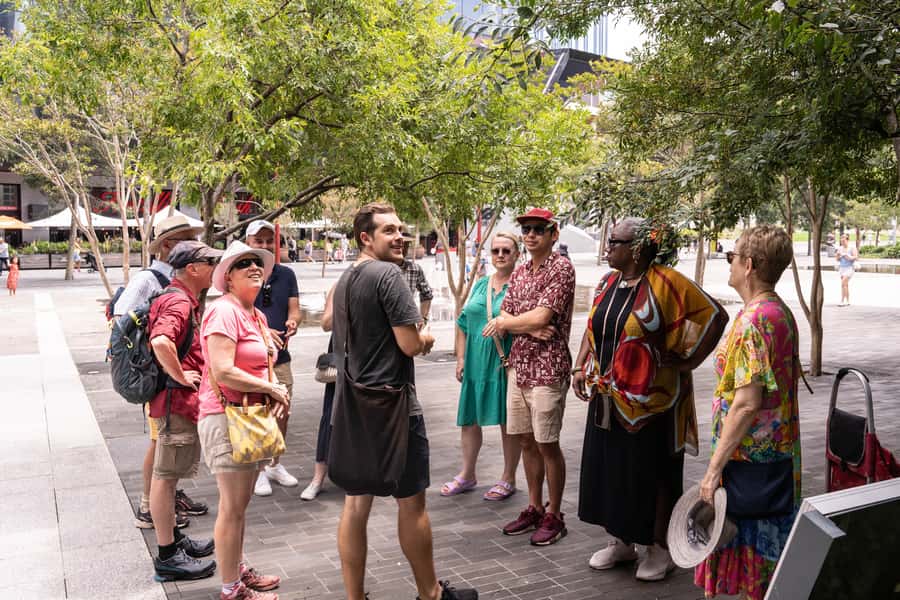
The tour’s core focus is history—specifically how Australia’s Chinese community started in Chinatown and how Chinese-Australians shaped the wider community. The guide frames it in a way that’s interactive and fun, not stiff.
In practice, that shows up as an ongoing thread throughout the walk:
- why this neighborhood formed where it did
- how community life took root
- how Chinatown has changed over time and continues to evolve
One reason I like this approach is that it gives you context for what you’re seeing now. You’re not just looking at signage and storefronts; you’re understanding how migration, community networks, and local changes built the place.
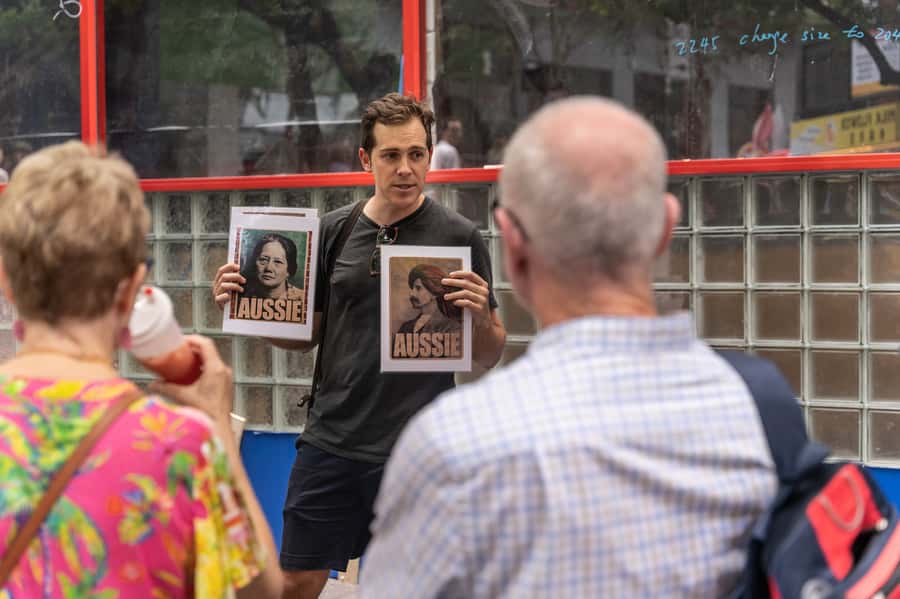
Also, many guides for this tour use visual materials while they talk. Past experiences mention laminated photos and documents shared along the way, which is a great way to keep history concrete instead of abstract.
You can also read our reviews of more food & drink experiences in Sydney



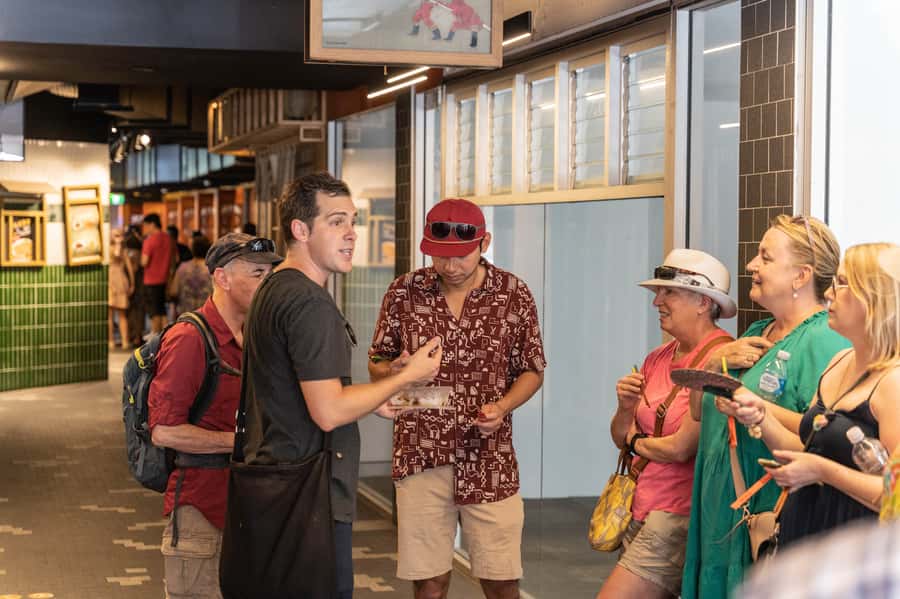
The guide makes the difference: Justin, Bunny, Eddie, Lucy, and Liz
This tour has a strong “guide-led” feel, and that’s a big part of why it holds a very high rating. Names that have come up in past tours include Justin, Bunny, Eddie, Lucy, and Liz. Across those experiences, the pattern is the same: the guide connects food stops with stories and keeps the group engaged.
What to look for in a good guide style here:
- mixing tastings with history in real time
- sharing restaurant guidance beyond what you’re tasting that day
- keeping the pace friendly and the tone upbeat
- giving you something usable at the end (not just facts you’ll forget)
Even the best food tour can feel random if the guide doesn’t connect it. Here, the guide does the connecting job for you, and that’s where the tour becomes more than snacks on a walk.
The restaurant bingo card: your cheat code for eating after
The best “after” feature is the Chinatown bingo card. You’ll receive a guide covering restaurant recommendations and what to order, based on what you cover during the walk.
This is smart for two reasons:
- You’ll know what to order in Chinatown, which is half the battle when you don’t have a local menu translator.
- It helps you spread your eating over multiple visits instead of trying to cram everything into one day.
In past experiences, guides were especially praised for making sure the bingo card and recommendations felt practical—not generic list-making.
Pace, comfort, and heat: plan for a standing-and-walking tour
This is a 150-minute guided walk, and it’s built around moving between stops and eating snacks as you go. That usually means:
- lots of standing
- frequent street-crossing and short walks between tastings
- minimal sitting time
On a hot day, that can feel more noticeable. One past experience specifically flagged that the heat and standing time can add up. If you tend to feel uncomfortable in sun, bring what you need and use breaks strategically.
What to bring (this is straight from what the tour recommends):
- comfortable shoes
- hat
- sunscreen
- a reusable water bottle
Also, note the tour does not include bottled water. You’ll want hydration that fits your routine.
Price and value: is $56 worth it?
At $56 per person for 150 minutes, the value comes from the balance of three things:
- several included food tastings (minimum 4, often 5)
- guided context that helps you understand what you’re eating and where you are
- take-home usefulness via the restaurant guide/bingo card
This isn’t priced like a high-end private tour or a full sit-down tasting menu. It also isn’t built like a “food-only” crawl where history is an afterthought. If you want a walking experience where food is part of the story, this price usually makes sense.
Two situations where it may feel less ideal:
- If you’re expecting a lot more than lunch-sized amounts, you might want to eat a bit beforehand or plan an extra post-tour snack.
- If you hate standing in heat, you’ll need to be strategic about timing and gear.
Dietary needs: welcome, but message ahead
The tour is designed to be friendly for different diets. It states that vegetarians, vegans, and guests with other dietary requirements are more than welcome—as long as you contact the provider with details in advance.
There is one specific limitation noted:
- vegan guests who also have a gluten intolerance cannot be accommodated for both at the same time
So if that’s your situation, don’t assume you’re covered. Message ahead and ask what can be done.
For everyone else, the important move is simple: tell them your needs before you go. That’s how you avoid the frustrating moment where the guide can only pivot after you arrive.
Logistics you’ll be glad you checked
A few practical details make the difference between smooth and annoying:
- The tour is in English.
- Duration is 150 minutes.
- It’s marked as wheelchair accessible.
- Photos are shared after the tour.
- Bottled water is not included.
If you prefer to travel light, you still might want to bring a snack-sized emergency plan of your own, especially if you’re very sensitive to certain ingredients. But the tour does make an effort with diet needs when you communicate ahead.
Should you book the Sydney Chinatown street food and culture tour?
I’d book this if you want:
- food tasting with context, not just a list of restaurants
- a quick way to learn Chinatown’s place in Sydney’s story
- a guided route to major sights like Friendship Garden and the red gates
- a practical take-home tool (the bingo card) so your next meal is easier
I might skip or rethink it if:
- you need a mostly seated experience
- you’re very heat-sensitive and don’t want to spend time standing
- you’re expecting a meal-heavy food festival instead of lunch-sized sampling
If you’re a first-time visitor to Sydney, or you’re returning and want to eat smarter in Chinatown, this tour gives you an efficient start and a memorable framework for exploring afterward.
You Might Also Enjoy


More Walking Tours in Sydney



More Tours in Sydney
- Blue Mountains Small-Group Tour from Sydney with Scenic World,Sydney Zoo & Ferry
★ 5.0 · 3,709 reviews


More Tour Reviews in Sydney
- Blue Mountains Small-Group Tour from Sydney with Scenic World,Sydney Zoo & Ferry
★ 5.0 · 3,709 reviews