REVIEW · SYDNEY
Flying Fox Experience, Thousands of Australia’s Largest Bat
Book on Viator →Operated by Perfect Day Sydney · Bookable on Viator
Watching thousands of bats changes your mood.
This Sydney flying fox experience takes you from Circular Quay area to a reserve where Australia’s largest fruit bats (flying foxes) fly and feed at eye level, with a good chance to see that wild, 1-meter wingspan up close. I like that the tour is built for real viewing, not just a quick stop—plus you get high-zoom cameras so you can bring home actual bat photos, not just blurry phone shots.
Two things I really like: the small group size (max 14) keeps the experience calm and allows your guide to steer you to the action, and the pace stays relaxed with snacks and bottled water while you wait for the bats to do their thing. One thing to consider: the experience requires good weather, so if conditions are poor, you may be offered a different date or a full refund.
In This Review
- Key Things I’d Plan For
- Getting Oriented: From Circular Quay to the Bat Reserve
- Meet Your Guide, Then Settle Into a Relaxed Rhythm
- The Main Event: Watching Flying Foxes at Eye Level
- Photo Setup That Actually Helps: Binoculars and High-Zoom Cameras
- Learning Why Flying Foxes Matter (and Why They’re Endangered)
- The 2.5-Hour Plan: What You’re Doing When
- Who This Is Perfect For (and Who Should Rethink It)
- Price and Value: Is $57.38 a Fair Deal?
- Quick Tips So You Get Better Views
- Should You Book This Flying Fox Experience?
- FAQ
- How long is the Flying Fox Experience?
- Where do I meet for the tour?
- What time does the tour start?
- How many people are in the group?
- Are high-zoom cameras included?
- What animal will I see?
- Is the tour outdoors?
- Do I need to plan around the weather?
- Can I cancel for a refund?
Key Things I’d Plan For
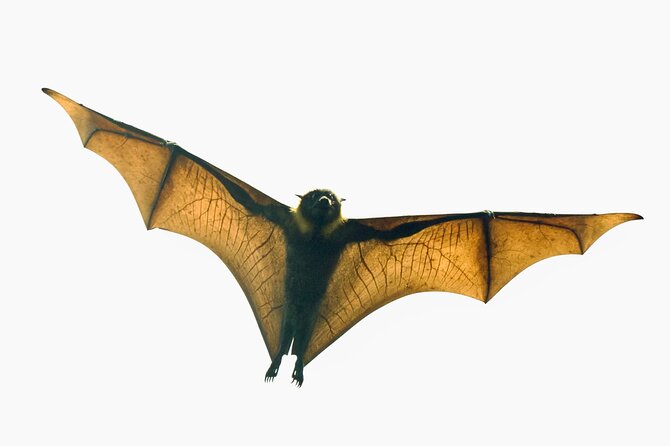
- Australia’s largest fruit bats in a real colony: You’re watching a major flying fox setup, not one lone animal.
- Eye-level viewing in the reserve: The goal is close sightlines, including those impressive wing stretches.
- High-zoom camera provided: You’re not left trying to shoot through 200 feet of distance with your phone.
- Small group attention: With up to 14 people, you’re more likely to get help when you want a better view.
- Outdoor, weather-dependent timing: If Sydney weather turns, the plan can shift.
Getting Oriented: From Circular Quay to the Bat Reserve
This tour starts in the city and quickly gets you out of the urban routine. You meet at Thomas Sutcliffe Mort on Bridge Street, and the day begins at 10:00 am. Your guide meets you near the Circular Quay area, then drives the group to the Sydney reserve where the bat colony lives.
That ride matters more than you’d think. You’re in a small group, so you get time to settle in, ask questions, and get the lay of the land before you arrive at the trees. And because you’re heading out specifically for the bats, you’re not spending your morning bouncing between random wildlife spots. You’re going where the action is already happening.
One practical tip: wear shoes you don’t mind walking in around a reserve area. The experience is short enough that you won’t need hiking gear, but you’ll still want stable footing for moving positions when the bats start flying more actively.
You can also read our reviews of more tours and experiences in Sydney.
Meet Your Guide, Then Settle Into a Relaxed Rhythm
The vibe here is friendly and easy. Multiple people highlight Dave as the kind of guide who knows where to find the wildlife and can explain it in a way that clicks. You also don’t feel like you’re being rushed through a checklist. Instead, there’s a comfortable rhythm: drive out, get oriented, and then settle in while the bats go about their colony behavior.
The small group size (max 14) is a big part of that relaxed feel. It helps your guide keep an eye on where everyone’s standing, and it makes it easier to provide hands-on photo help—like where to point the camera when the bats start lifting off.
Also, you’ll get snacks and bottled water. That sounds like a small detail, but for wildlife watching it’s gold. You’re waiting for moments, not sprinting to the next view, and having something on hand keeps the whole morning from feeling like work.
The Main Event: Watching Flying Foxes at Eye Level
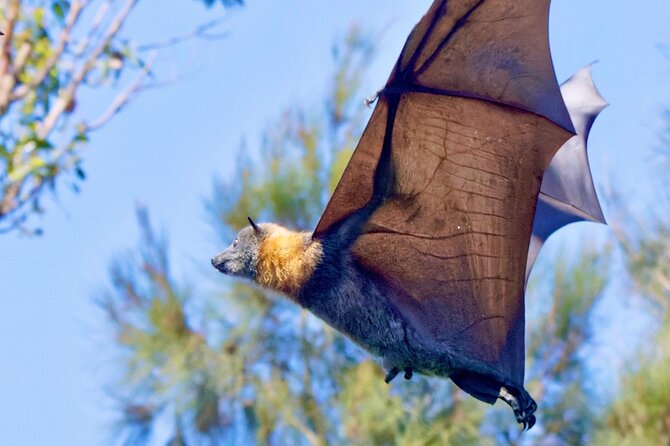
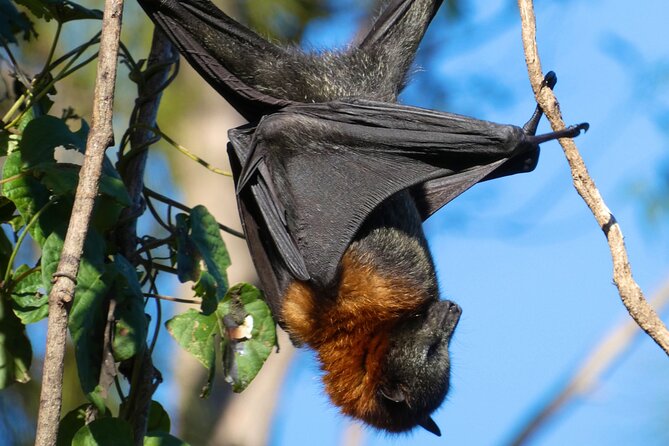
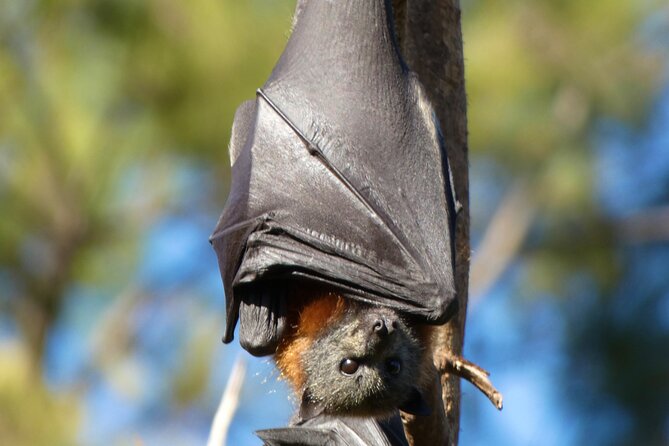
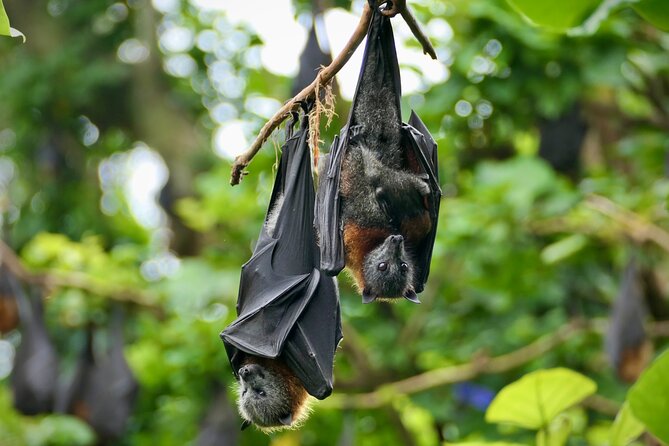
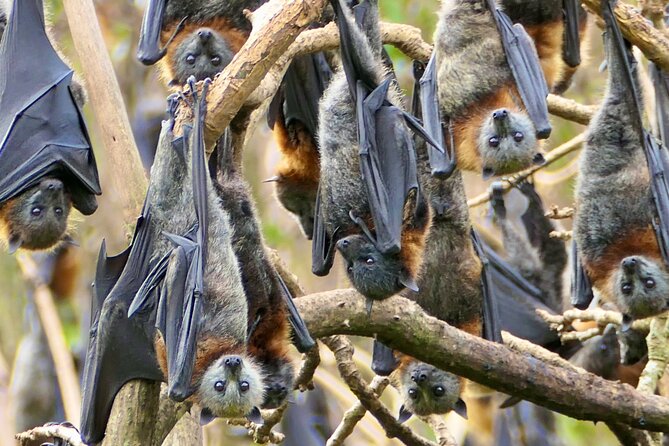
This is the core reason to book. The experience is designed so you can see the flying foxes close and active—described as eye-level viewing—plus you get the chance to witness their playful antics as they fly and climb around the trees.
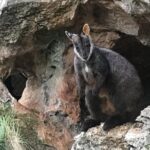
The tour specifically highlights the bats’ size: a 3-foot (about 1-meter) wingspan. That’s not a textbook stat. When you see a flying fox in real life, the wings look enormous in the air—especially when the colony is active enough that multiple bats move through the same view.
What to expect in the reserve:
- You’ll be observing endemic fruit bats (flying foxes) in their natural habitat.
- The guide positions you so you can see them at closer range than most city-based wildlife encounters.
- The experience is focused on watching behavior, not just spotting animals and leaving.
A quick realism note: this is wildlife. You’re not controlling when they fly hardest or when they decide to show you the most dramatic angles. Still, the tour’s format—short, guided, and timed around the colony—gives you a strong shot at seeing plenty of action during your 2.5-hour window.
Photo Setup That Actually Helps: Binoculars and High-Zoom Cameras
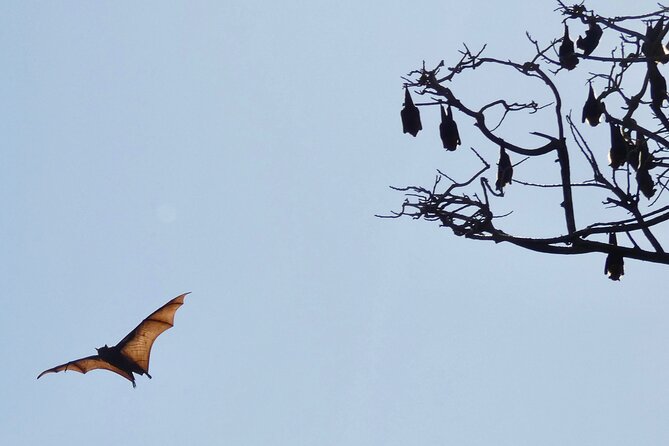
If you’re even slightly serious about photos, this part is worth paying attention to. The tour includes high-zoom cameras designed for capturing fine detail you can’t reliably get with a phone. In the reviews, people also mention binoculars being provided, which makes sense: bats can be close, but they still move fast, and you want a quick way to track them.
Here’s what this means for you on the day:
- You get the right tool for the job. The biggest frustration with wildlife photos is usually not the photographer—it’s the camera limits.
- You can spend less time guessing settings and more time learning when to shoot.
- You can aim for crisp wings, facial detail, and clearer flight moments instead of hoping for a lucky blur.
Many guests also talk about how the guide helps with photos at the end—sharing images taken with a telephoto lens and helping guests download pictures to their device. That’s a real advantage if you’re more into enjoying the moment than constantly adjusting gear.
My advice: treat the camera as a way to enhance the experience, not a replacement for looking. Spend a minute each time you get a clear view just watching first—then switch to the camera when you’re ready. You’ll get better results and you’ll remember it more clearly.
Learning Why Flying Foxes Matter (and Why They’re Endangered)
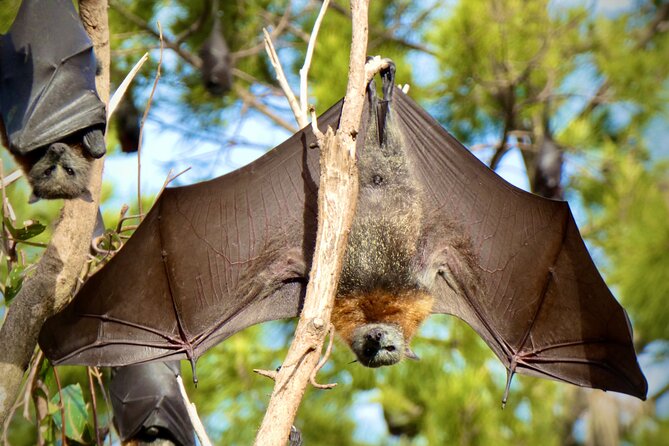
Seeing the colony is the headline, but the learning is part of what makes the tour feel complete. Your guide explains what these bats are, why they’re important, and why they’re endangered.
The tour calls them endemic fruit bats and uses the term flying foxes as the common name. The point of the lesson isn’t just facts for facts’ sake. It’s to help you understand what you’re seeing in the bigger picture: these animals aren’t random night flyers. They play an ecological role, and their endangered status makes their presence in a reserve feel especially meaningful.
This educational context also helps you behave better as a viewer. When you understand the species and the stakes, you tend to respect viewing space, stay patient, and listen when your guide points out what the bats are doing—like how the colony moves, how individuals interact, or when flight activity ramps up.
If you’re coming to Sydney for wildlife, this lesson makes your encounter feel like more than a one-off photo stop.
- Blue Mountains Small-Group Tour from Sydney with Scenic World,Sydney Zoo & Ferry
★ 5.0 · 3,709 reviews
The 2.5-Hour Plan: What You’re Doing When
The duration is listed at about 2 hours 30 minutes, and that’s a smart length for this kind of wildlife experience. It gives you time to settle in at the reserve without turning the day into a half-day mission.
A typical flow looks like this:
- Start in the city near the Bridge Street meeting point / Circular Quay area.
- Drive out to the reserve where the colony is active.
- Meet the bats at eye level and watch their behavior while your guide explains what you’re seeing.
- Use the cameras and binoculars during the moments when bats fly closer or more visibly.
- Wrap up back at the meeting point.
Because the pace is described as relaxed, you’re not being marched along at breakneck speed. Instead, you’re waiting for wildlife moments and letting the guide decide where your group will see the best action.
This timing also makes it easier to fit into your Sydney itinerary. You can still do other parts of the day after—unless you’re the type who instantly falls into a bat-photo spiral and loses track of time.
Who This Is Perfect For (and Who Should Rethink It)
This tour is a great match if you want:
- A wildlife experience close to Sydney, without a long drive or complicated planning.
- A strong chance to see Australia’s largest fruit bat colony rather than just passing sightings.
- Help with wildlife photography through high-zoom gear and guidance.
- A short, guided outing with snacks and a friendly group setup.
You might consider skipping or adjusting expectations if:
- You mainly want a hands-on activity. This is observation-focused, with viewing and photography as the main experience.
- You’re sensitive to being outdoors for periods. It’s weather dependent, so plan to dress for real conditions.
For families, couples, and solo travelers, the max of 14 people and the straightforward schedule make it feel manageable.
Price and Value: Is $57.38 a Fair Deal?
The price is listed at $57.38 per person, and the value comes from what’s included, not just the fact that it’s a guided trip.
At this price, you’re getting:
- Transport from the city to the bat reserve area.
- Entry admission tied to the experience (the itinerary references admission ticket).
- A small-group guide who actively helps you find and watch the bats.
- High-zoom cameras provided for photo-taking.
- Snacks and bottled water during the outing.
In practical terms, this is the kind of tour where the camera and guide assistance can tip the scale. If you’ve ever tried photographing wildlife with a phone, you know how quickly frustration drains the fun. Here, you’re paying for a setup that supports the main goal: seeing bats up close and capturing it.
If your priority is just seeing bats, you could theoretically find other wildlife viewing options. But if you want the full package—close observation plus photo support—this feels like a very reasonable way to spend a morning in Sydney.
Quick Tips So You Get Better Views
These are the small moves that usually make the biggest difference with wildlife viewing:
- Arrive ready to look before you shoot. Spend 30 seconds taking it in, then switch to camera mode.
- Be flexible with your standing position. Bats move through the colony space, and your guide may shift your viewpoint.
- Ask questions early. If you’re curious about flying fox behavior or what to watch for, get those answers while you’re still in the pre-reserve phase.
- Dress for outdoor time. Even though the total day is under three hours, you’ll still be out long enough to want comfortable clothes.
Should You Book This Flying Fox Experience?
Book it if you want a Sydney wildlife experience that feels real, not rushed. This tour is built around one thing: seeing Australia’s biggest fruit bat colony up close, with a guide who helps your group find the action and a photo setup that actually helps you capture it.
I’d especially recommend it if:
- You care about wildlife photography (or just want photos that look like you really saw what you saw).
- You want a small-group outing led by Dave with a relaxed vibe.
- You’re curious about endangered species and want the story behind what you’re watching.
I’d think twice only if you strongly dislike outdoor weather-dependent plans or you need fully guaranteed animal flight at a specific moment. With wildlife, you’re sharing the stage with the animals. But with the colony-focused timing, small group setup, and included zoom cameras, you’re setting yourself up for an experience that’s hard to forget.
FAQ
How long is the Flying Fox Experience?
It runs for about 2 hours 30 minutes.
Where do I meet for the tour?
You start at Thomas Sutcliffe Mort, 36 Bridge St, Sydney NSW 2000. The guide meets you near the Circular Quay area before driving to the reserve.
What time does the tour start?
The listed start time is 10:00 am.
How many people are in the group?
The maximum group size is 14 travelers.
Are high-zoom cameras included?
Yes. High-zoom cameras are provided so you can take photos of the bats.
What animal will I see?
You’ll see Australia’s endemic fruit bats, also known as flying foxes, including the colony of Australia’s largest bat.
Is the tour outdoors?
Yes, it takes place at a Sydney reserve where you watch the bats in the wild.
Do I need to plan around the weather?
Yes. The experience requires good weather. If it’s canceled due to poor weather, you’ll be offered a different date or a full refund.
Can I cancel for a refund?
Yes. You can cancel up to 24 hours in advance for a full refund.
You Might Also Enjoy

More Tour Reviews in Sydney
- Blue Mountains Small-Group Tour from Sydney with Scenic World,Sydney Zoo & Ferry
★ 5.0 · 3,709 reviews